 ALERT
ALERT
Aiwa ESBT 460 Quad Driver vs Philips TAT1169BN
Advertisement
| Specification | ||
|---|---|---|
| Price | Rs.2,999.00 |
Rs.2,999.00 |
| Brand | Aiwa |
Philips |
| Model No | ESBT 460 Quad Driver |
TAT1169BN |
| Wired / Wireless | Wireless Headphone Specification |
Wireless Headphone Specification |
| Headphone Type | Neckband |
In Ear |
| Magnet Type | Dynamic |
Dynamic |
| Driver Diameter | 10 mm |
12 mm |
| Impedance | 32 ohm |
16 Ohms |
| Sensitivity | 103 dBmW |
97dB@1KHz |
| Frequency Response | 20 Hz - 20000 Hz |
20Hz - 20KHz |
| Maximum Power Input | 5 V DC |
10 mW |
| Wireless / Bluetooth Details | ||
| Wireless Technology | Bluetooth |
Bluetooth |
| Bluetooth Version | 5.0 |
5.3 |
| Compatible Profiles | All Bluetooth Devices |
All Bluetooth Devices |
| Supported Codecs | Apt-x |
AAC, SBC |
| Battery Type | Lithium Polymer Batteries |
Lithium-Ion Batteries |
| Bluetooth Range | 10 Meters |
10 Meters |
| Battery Life | 15 Hours |
7 + 48 Hours |
| Charging Time | 2 Hours |
2 Hours |
| Noise Cancelling | NA |
Environmental Noise Cancelling |
| Available Colors | Black |
Brown |
| Connector Plating | NA |
NA |
| Cable | USB Charging Cable |
USB Type-C Charging Cable |
| Weight | 29 Gm |
38 GM |
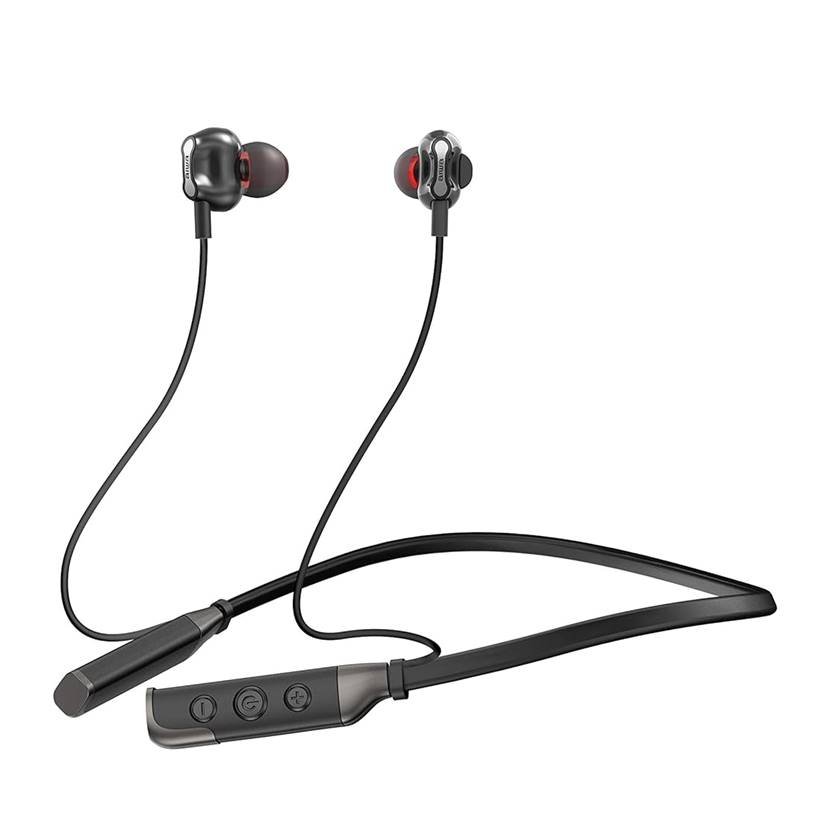
| Other Features | Fast 2 hrs Charging Time. Motorized Haptic Vibrations 8mm*4 Dynamic speaker driver. 15 hrs playback, 180hrs Standby. One of a kind Quad Driver technology for one of a kind music experience. It is compatible with IOS, Android and windows. Enjoy on wherever and whatever device you like. Groove to your music and do not worry about missing any calls or messages with the haptic vibration. Control your music with multifunctional button and independent keys for volume management, listen to the music the way you like it. Listen to music on the device without having to worry about the battery, charge fully in just 2 hours. USB rechargeable with Bluetooth connectivity. |
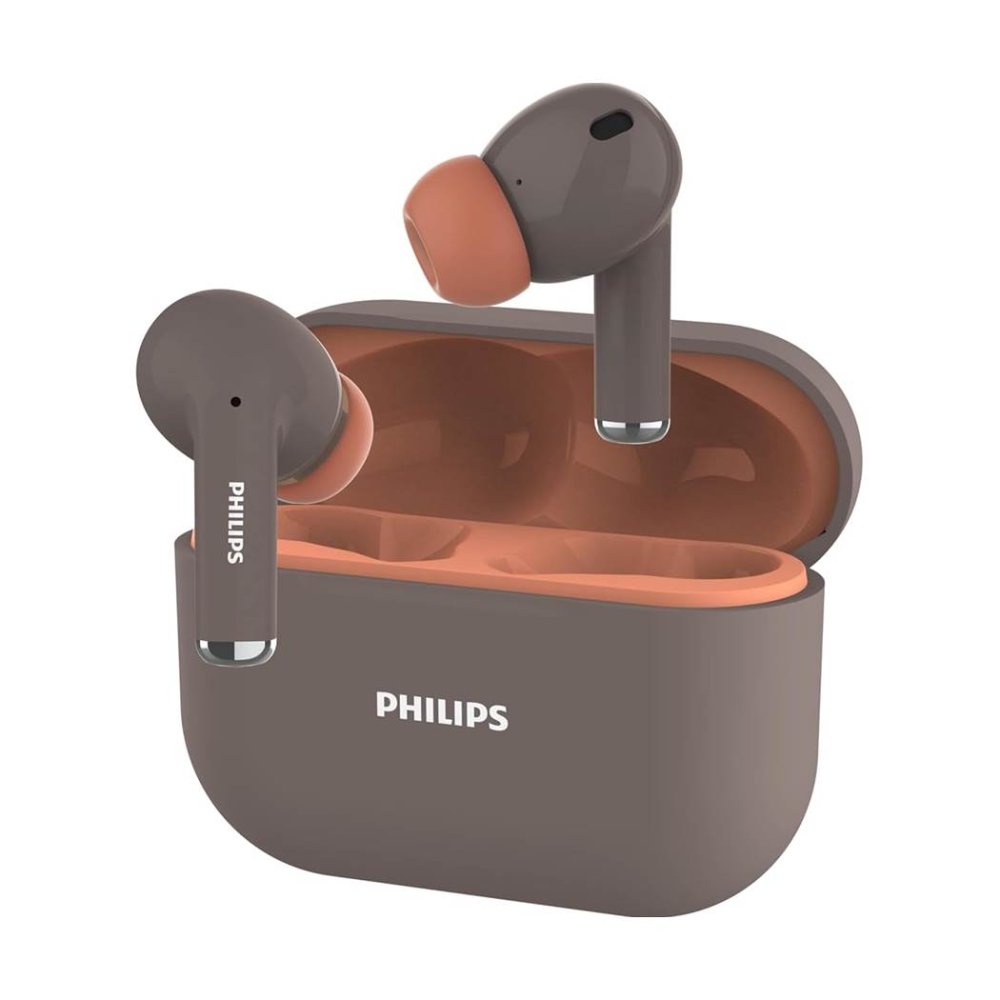
Reliable Connection : Bluetooth connection provides a stable, uninterrupted listening and calling experience. High-Quality Sound : Experience warm, natural sound with dynamic bass boost and 12mm drivers for deep bass and clear calls. Comfort & Controls : Designed for a snug fit with interchangeable silicone ear tips, plus easy on-ear touch controls for convenience. Durable & Splash-Resistant : IPX4 rated, offering protection from sweat and splashes, making them perfect for workouts or outdoor use. Long Playtime & Convenience : Enjoy up to 55 hours of playtime with a pocket-sized charging case, ensuring your earbuds are always ready to go. |
Advertisement
Compare Aiwa ESBT 460 Quad Driver with:
Compare Philips TAT1169BN with:
Top Differences
- Battery Life: 15 Hours vs 7 + 48 Hours
- Noise Cancelling: NA vs Environmental Noise Cancelling
- Driver Size: 10 mm vs 12 mm
- Bluetooth: 5.0 vs 5.3
- Weight: 29 Gm vs 38 GM
Advertisement