 ALERT
ALERT
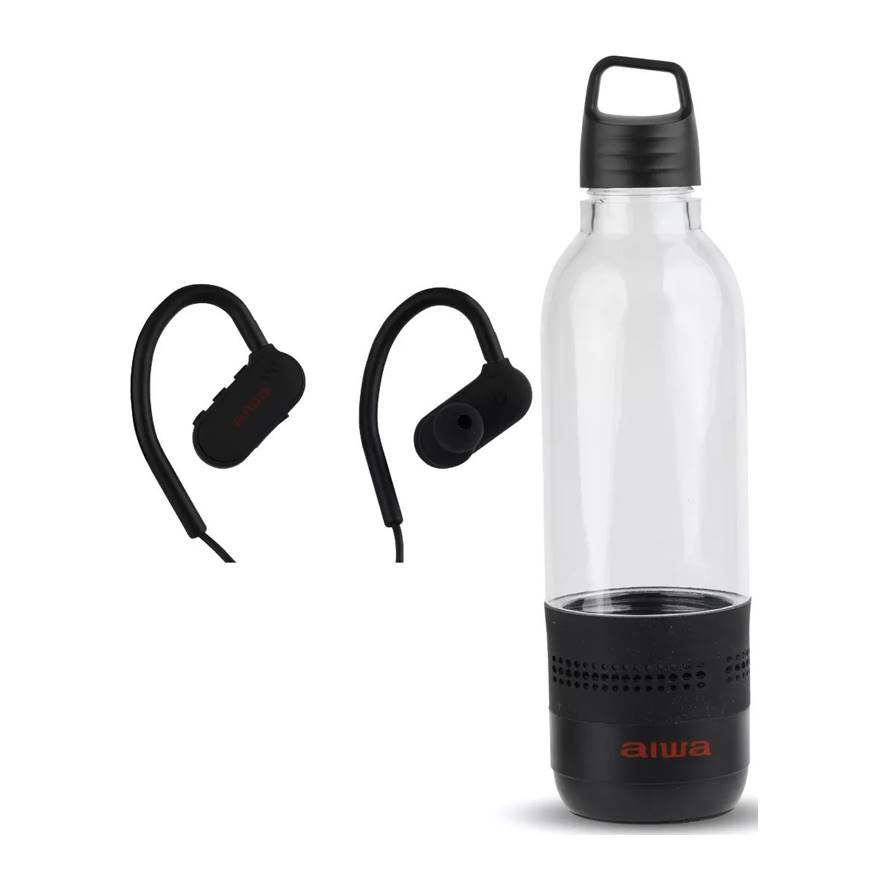
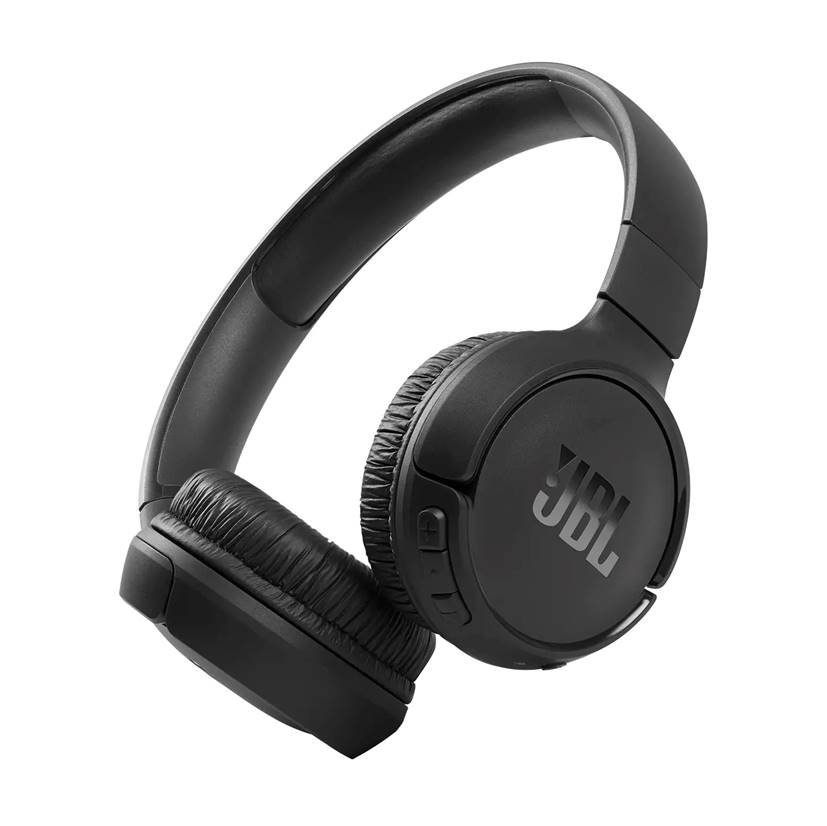
Aiwa Get Fit Sport Kit Wireless Sport Headphones vs JBL Tune 510BT
Advertisement
| Specification | ||
|---|---|---|
| Price | Rs.3,494.40 |
Rs.3,499.00 |
| Brand | Aiwa |
JBL |
| Model No | Get Fit Sport Kit Wireless Sport Headphones |
Tune 510BT |
| Wired / Wireless | Wireless Headphone Specification |
Wireless Headphone Specification |
| Headphone Type | In Ear |
On Ear |
| Magnet Type | Dynamic |
Dynamic |
| Driver Diameter | 10 mm |
32 mm |
| Impedance | 16 ohm |
32 Ohm |
| Sensitivity | 100dB ±3dB |
103.5dBSPL |
| Frequency Response | 20Hz - 20KHz |
20 Hz - 20000 Hz |
| Maximum Power Input | 5 V 1A |
5V / 1A |
| Wireless / Bluetooth Details | ||
| Wireless Technology | Bluetooth |
Bluetooth |
| Bluetooth Version | 5.0 |
5.0 |
| Compatible Profiles | All Bluetooth Devices |
All Bluetooth Devices |
| Supported Codecs | SBC |
HFP, A2DP, AVRCP |
| Battery Type | Lithium-Ion Batteries |
Lithium-ion Batteries |
| Bluetooth Range | 10 Meters |
10 Meters |
| Battery Life | 7 Hours |
40 Hours |
| Charging Time | 1 Hours |
2 Hours |
| Noise Cancelling | NA |
NA |
| Available Colors | Black, Blue, Red, Green |
Black, White, Blue |
| Connector Plating | NA |
NA |
| Cable | Micro USB Charging Cable |
USB Type-C Charging Cable |
| Weight | 382 GM |
160 Gm |
| Other Features | IPX4 sweatproof. In-line microphone. Up to 7 hours of playtime. Move Freely: The wireless earphones that come with this bundle have a secure fit, ensuring they stay in place while you move around. They provide high-quality sound that is crisp and clear, allowing you to fully immerse yourself in your music, podcasts or calls. Crisp and Clear Sound: The Aiwa water bottle offers 4 hours of playtime, which means you can enjoy your music for hours on end without having to stop and recharge. The 400ml bottle volume provides enough water to keep you hydrated throughout your day and the 3W output speaker provides a powerful and clear sound. Ready to Go: This bundle is perfect for active individuals who are always on the go. It provides a convenient and practical solution for both hydration and music needs, allowing you to stay hydrated and listen to your music wherever you go. It's a great accessory for workouts, runs, bike rides, or any other outdoor activities where you need to stay hydrated and entertained. Make your Life Easier: The wireless earphones with mic included in this bundle are designed to provide you with a convenient hands-free experience. They are equipped with a built-in microphone, so you can take calls and control your music without having to take your phone out of your pocket or bag. The earphones are wireless, which means you won't have to deal with tangled wires, providing more freedom of movement. Compact and Innovative: The Aiwa water bottle is a unique and innovative product that combines the functionality of a water bottle with that of a wireless speaker. It features a built-in Bluetooth V5.0 speaker that allows you to connect your phone or other devices and listen to your music or podcasts while you stay hydrated. With a 400ml bottle volume, you can carry enough water to keep you going throughout your activities. |
JBL Pure Bass Sound. Ask Siri or Hey Google. Multi-point connections. Wireless Bluetooth 5.0 Streaming. Up to 40H battery life and speed charge. Lightweight, comfortable and foldable design. A quick 5-minute recharge gives you 2 additional hours of music. Easily control your sound and manage your calls from your headphones with the convenient buttons on the ear-cup. Siri or Hey Google is just a button away: activate the voice assistant of your device by pushing the multi-function button. |
Advertisement
Compare Aiwa Get Fit Sport Kit Wireless Sport Headphones with:
Compare JBL Tune 510BT with:
Top Differences
- Battery Life: 40 Hours vs 7 Hours
- Driver Size: 32 mm vs 10 mm
- Weight: 160 Gm vs 382 GM
- Impedance: 32 Ohm Vs 16 ohm
Advertisement