 ALERT
ALERT
| Specification | ||
|---|---|---|
| Price | Rs.1,310.74 |
Rs.1,299.00 |
| Brand | Aiwa |
Mi |
| Model No | Sport In-Ear |
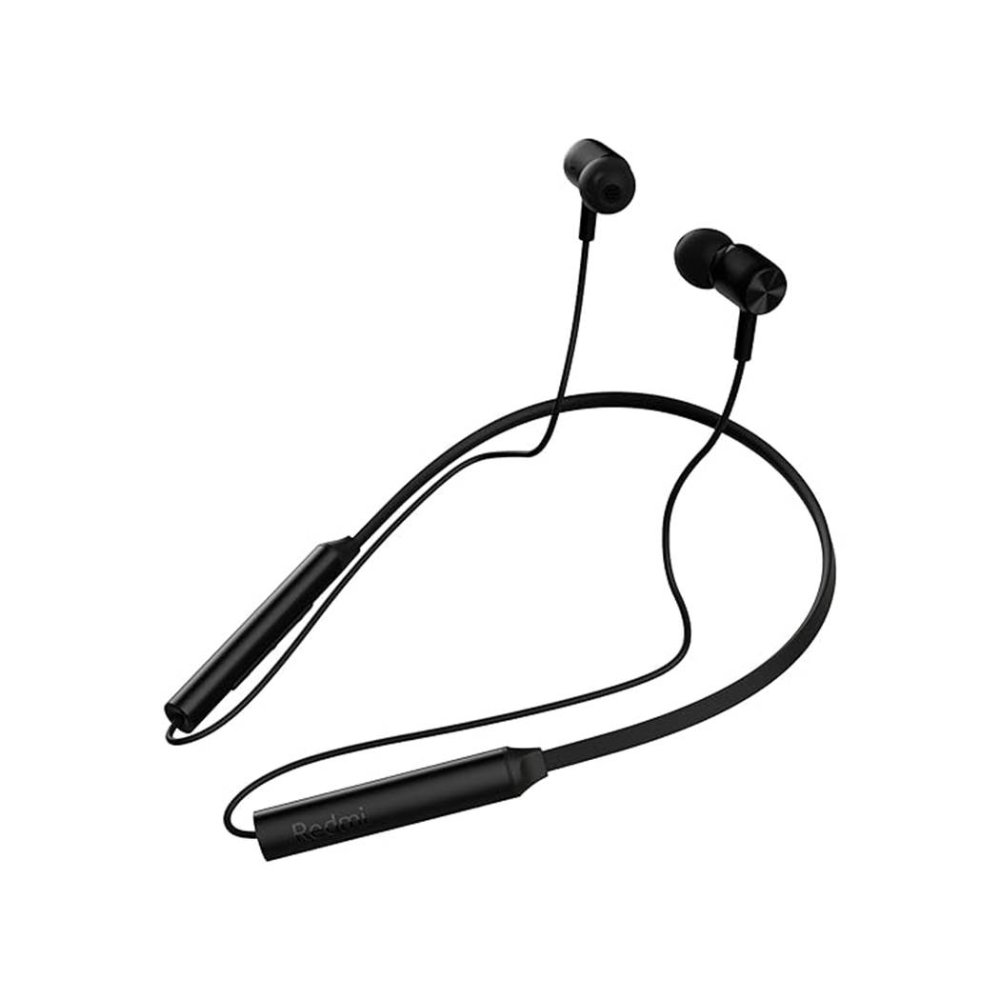
Redmi SonicBass Wireless Earphones 2 |
| Wired / Wireless | Wireless Headphone Specification |
Wireless Headphone Specification |
| Headphone Type | Neckband |
Neckband |
| Magnet Type | Dynamic |
Dynamic |
| Driver Diameter | 10 mm |
9.2 mm |
| Impedance | 16 ohm |
32 Ohms |
| Sensitivity | 100dB ±3dB |
NA |
| Frequency Response | 20Hz - 20KHz |
20Hz - 20KHz |
| Maximum Power Input | 5 V 1A |
DC 5 V 1A |
| Wireless / Bluetooth Details | ||
| Wireless Technology | Bluetooth |
Bluetooth |
| Bluetooth Version | 5.0 |
5.2 |
| Compatible Profiles | All Bluetooth Devices |
All Bluetooth Devices |
| Supported Codecs | SBC |
SBC |
| Battery Type | Lithium-Ion Batteries |
Lithium-Ion Batteries |
| Bluetooth Range | 10 Meters |
10 Meters |
| Battery Life | 4 Hours |
16 Hours |
| Charging Time | 1 Hours |
2 Hours |
| Noise Cancelling | NA |
Sound Isolation |
| Available Colors | Black, Blue, Red, Grey, Yellow |
Black, Blue |
| Connector Plating | NA |
NA |
| Cable | Micro USB Charging Cable |
USB Type-C Charging Cable |
| Weight | 58.96 GM |
22 GM |
| Other Features | Comfort fit ear tips. Wing Tips : The built in wing tips help to keep the earbuds stable in your ears while you work out, giving you ease of mind as you will not drop them mid workout. Long Lasting Battery : With 4 hours of playtime you can enjoy your high quality music for your entire workout! Recharge the AIWA Sport Wireless Earphones quickly with the included charging cable. Stereo Sound Quality : The AIWA Sport In Ear Wireless Earphones provide incredible sound quality in a small package! With their 10mm drivers, you can enjoy premium quality music anywhere, anytime. Wide Range : With a range of 30 feet, you can enjoy your music from any room in the house! With the help of Bluetooth 5.0, you can maintain a stable connection from anywhere within the 30 foot range. Easily Pair to Any Smart Device : Thanks to Bluetooth 5.0 technology, you can easily pair to any smart device, and maintain a strong connection. Instantly pair to the most previously paired device at the touch of a button. |
Multi-point pairing. IPX5 Water Resistant. Dual Mic ENC for calls. Upto 16 hrs of Playback. 10-min quick charge lets you groove for 143 minutes * The perfect solution! With Multipoint Pairing, connect to two devices at once and switch seamlessly for uninterrupted calls and music. Easily manage your day with a smart assistant that can do your work and provide instant access to music, news, and more using just your voice. |
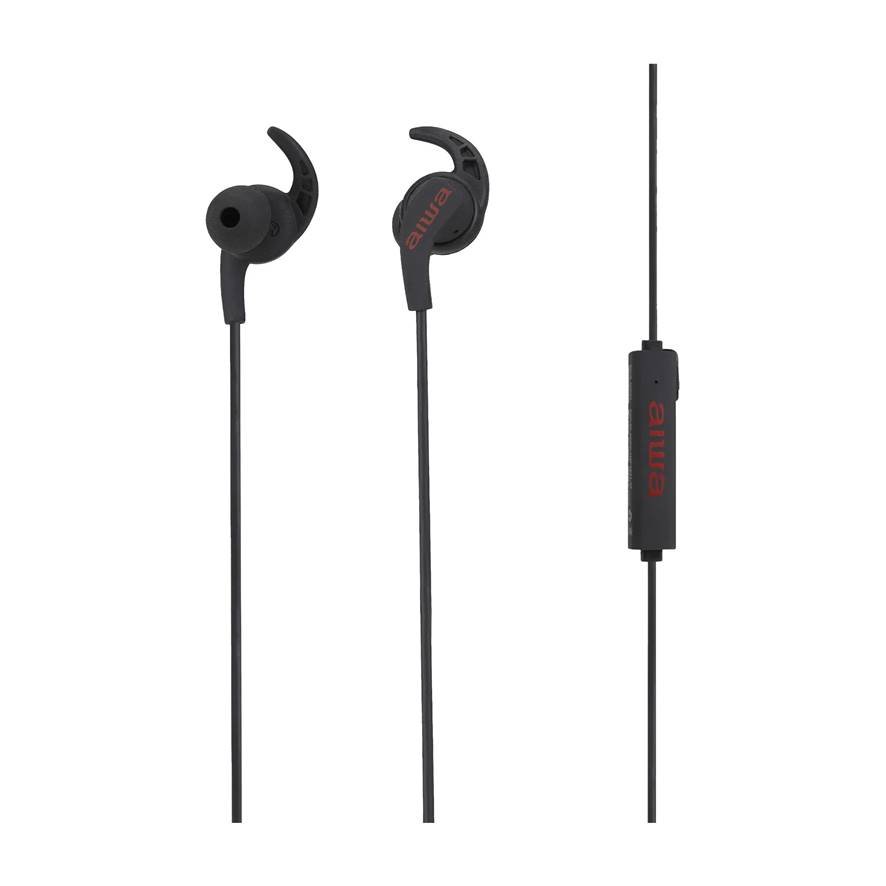
Compare Aiwa Sport In-Ear with:
Compare Mi Redmi SonicBass Wireless Earphones 2 with:
Top Differences
- Battery Life: 4 Hours vs 16 Hours
- Noise Cancelling: NA vs Sound Isolation
- Driver Size: 10 mm vs 9.2 mm
- Bluetooth: 5.0 vs 5.2
- Weight: 58.96 GM vs 22 GM