 ALERT
ALERT
Audio Technica ATH-E40 vs Sennheiser PXC 250-II
Advertisement
| Specification | ||
|---|---|---|
| Price | Rs.11,800.00 |
Rs.11,775.00 |
| Brand | Audio Technica |
Sennheiser |
| Model No | ATH-E40 |
PXC 250-II |
| Wired / Wireless | Wired Headphone Specification |
Wired Headphone Specification |
| Headphone Type | In Ear |
On Ear |
| Magnet Type | Dynamic |
Neodymium |
| Driver Diameter | 8.5 mm |
40 mm |
| Impedance | 12 ohm |
160/300 Ohms-Active/Passive |
| Sensitivity | 107 dB/mW |
112 dB/mW |
| Frequency Response | 20Hz - 20KHz |
10 Hz - 21000 Hz |
| Maximum Power Input | 2 mW |
NA |
| Noise Cancelling | Sound Isolation |
Yes |
| Available Colors | Black |
Black |
| Connector Plating | 3.5 mm Gold-Plated Stereo Mini-Plug, L-Shaped |
3.5 mm Gold Plated Jack |
| Cable | Tangle Free Cable |
1.2 m |
| Weight | 10 GM |
Approx 66 g |
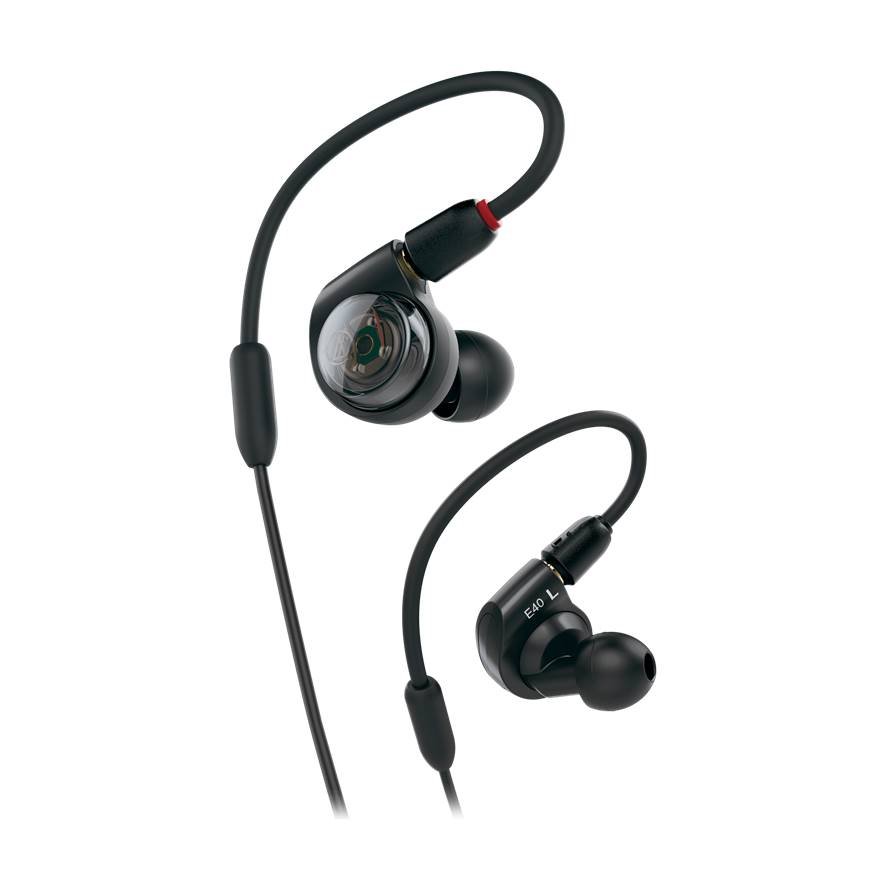
| Other Features | 3-Year Warranty from Audio-Technica that covers manufacturing defects. The proprietary dual phase push-pull driver design of the ATH-E40 professional in-ear monitor headphones provides improved fidelity and efficiency. These headphones deliver powerful bass along with balanced mid and high frequencies to convey the full emotion of the music from the stage to the street. The headphones also come with a detachable 1.6 m (5.2') cable, with newly developed A2DC (Audio Designed Detachable Coaxial) connectors at the headphones and a 3.5 mm (1/8") stereo mini-plug output, and a carrying case. The ATH-E40 features specially designed housings that provide incredible isolation. The isolation – and the comfort – are enhanced by the four sizes of included silicone eartips (XS/S/M/L), which allow you to create a custom fit. |
- NoiseGard™ active noise cancellation technology - Ideal for use on a plane, train, bus or in any other noisy environment - Closed design ensure excellent passive attenuation of ambient noise, allowing you to enjoy your music without distractions - Suitable for all types of modern music: detailed sound reproduction with a slight emphasis on the bass - Steel-reinforced headband for high durability - Long lasting NoiseGard™ usage - a single alkaline battery lasts up to 50 hours! - Fold and flip: registered design allows the ear cups to be turned 90° and the headphones folded towards the headband (headphones will lock in open and closed positions) - Convenient carrying case included - Optimised for in-flight entertainment systems as well as MP3, iPod, iPhone (iPod and iPhone are trademarks of Apple Inc. registered in the U.S. and other countries) and portable media players - 2 year warranty |
Advertisement
Compare Audio Technica ATH-E40 with:
Compare Sennheiser PXC 250-II with:
Top Differences
- Noise Cancelling: Yes vs Sound Isolation
- Driver Size: 40 mm vs 8.5 mm
- Weight: Approx 66 g vs 10 GM
- Impedance: 160/300 Ohms-Active/Passive Vs 12 ohm
Advertisement