 ALERT
ALERT
Advertisement
| Specification | ||
|---|---|---|
| Price | Rs.2,879.00 |
Rs.2,999.00 |
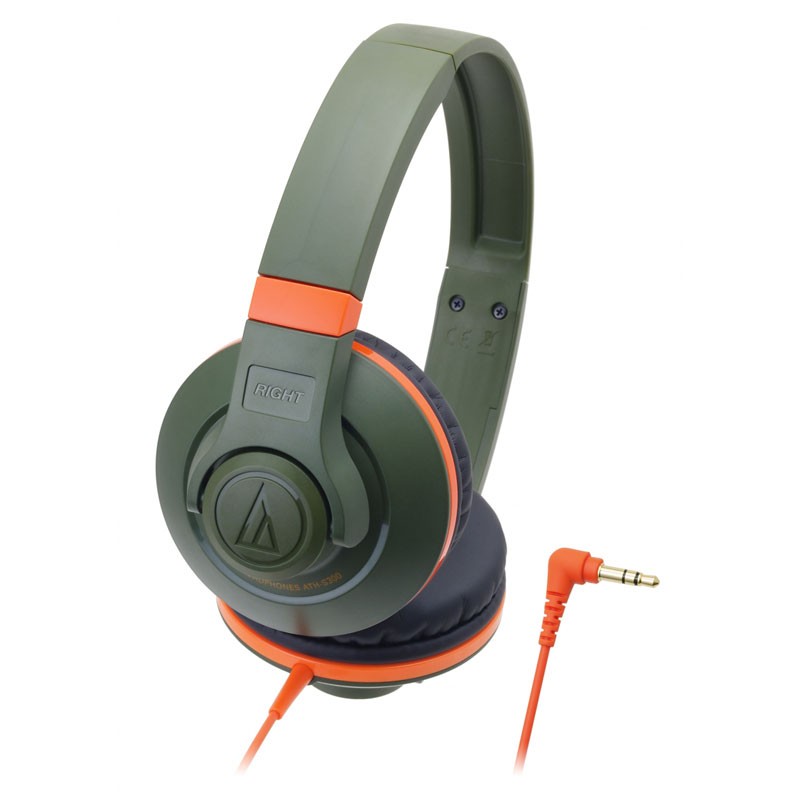
| Brand | Audio Technica |
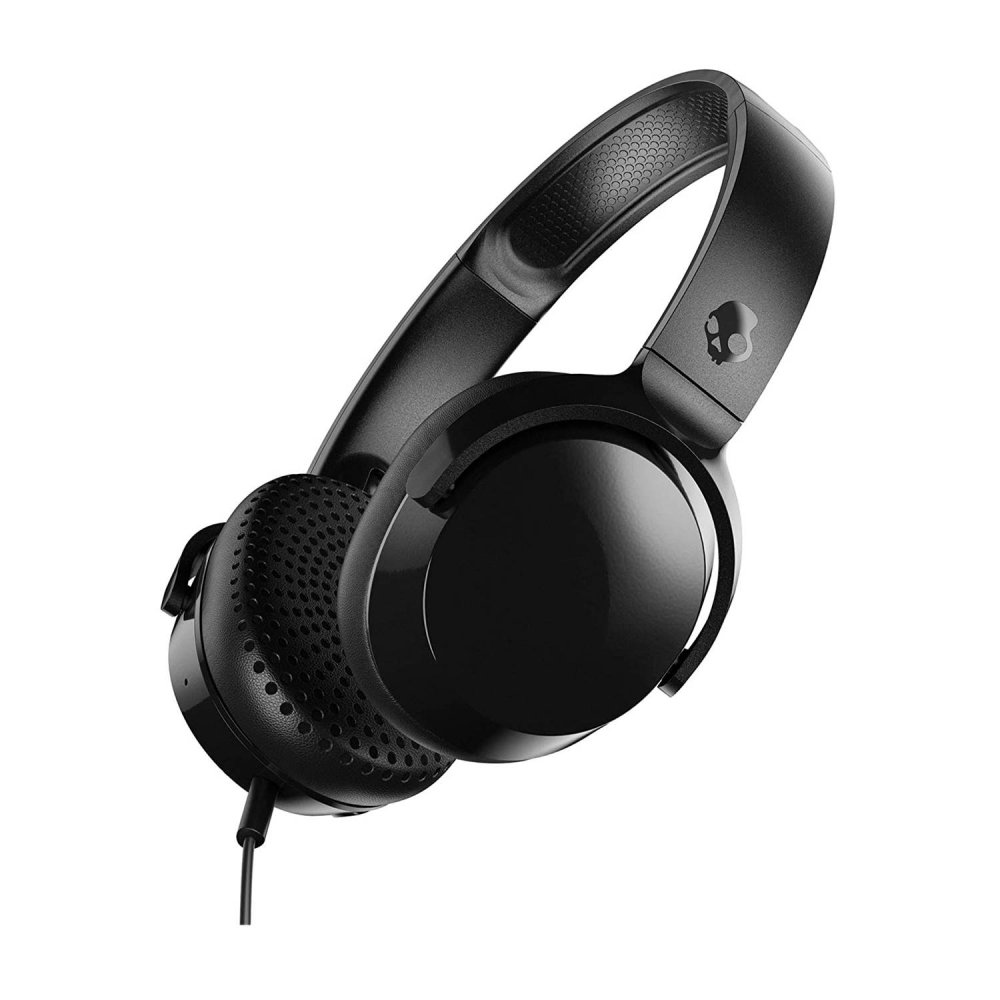
Skullcandy |
| Model No | ATH-S300 |
Riff On-Ear Headphones |
| Wired / Wireless | Wired Headphone Specification |
Wired Headphone Specification |
| Headphone Type | On Ear |
On Ear |
| Magnet Type | Neodymium |
Dynamic |
| Driver Diameter | 40 mm |
40 mm |
| Impedance | 48 ohms |
32 Ohm |
| Sensitivity | 103 dB |
98dB |
| Frequency Response | 10 - 24,000Hz |
20 Hz - 20000 Hz |
| Maximum Power Input | 500 mW |
1 mW |
| Noise Cancelling | No |
NA |
| Available Colors | Black, Blue, Green |
Black, White, Blue, Red, Green, Grey |
| Connector Plating | L-Shaped 3.5 mm Gold Plated Plug |
3.5 mm |
| Cable | 1.2 m |
Tangle Resistant Cable |
| Weight | 140 g |
151 gm |
| Other Features | - Longtime Listening Comfort Fine - Fit Earpads, Minimize Sound Leakage, Powerful Sound with Deep Bass Response - Minimizes Uncomfortable Pulling and Tangling of Headphone Cable - Bold Street Concept Design and Color - Swivel Folding for Easy Portability |
Refined Acoustics. Built-in Microphone. Call and Track Control. Ultra-Durable Headband. Lightweight and Comfortable. Collapsible, Flat-Folding Design |
Advertisement
Compare Audio Technica ATH-S300 with:
Compare Skullcandy Riff On-Ear Headphones with:
Top Differences
- Noise Cancelling: No vs NA
- Weight: 140 g vs 151 gm
- Impedance: 48 ohms Vs 32 Ohm
Advertisement