 ALERT
ALERT
Audio Technica BPHS1 vs Denon AH-D400
Advertisement
| Specification | ||
|---|---|---|
| Price | Rs.17,850.00 |
Rs.17,900.00 |
| Brand | Audio Technica |
Denon |
| Model No | BPHS1 |
AH-D400 |
| Wired / Wireless | Wired Headphone Specification |
Wired Headphone Specification |
| Headphone Type | Over Ear |
Over Ear |
| Magnet Type | Dynamic / Neodymium |
Neodymium |
| Driver Diameter | 40 mm |
50 mm |
| Impedance | 65 ohm |
32 Ohms |
| Sensitivity | 100 dB/mW |
110 dB/mW |
| Frequency Response | 20Hz - 20KHz |
5 Hz - 37,000 Hz |
| Maximum Power Input | 1600 mW |
1800 mW |
| Noise Cancelling | Sound Isolation |
NA |
| Available Colors | Black |
Black |
| Connector Plating | 3.5 mm Stereo Jack |
3.5 mm Gold Plated Jack |
| Cable | Coiled Cable |
1.5 m |
| Weight | 264 GM |
310 g |
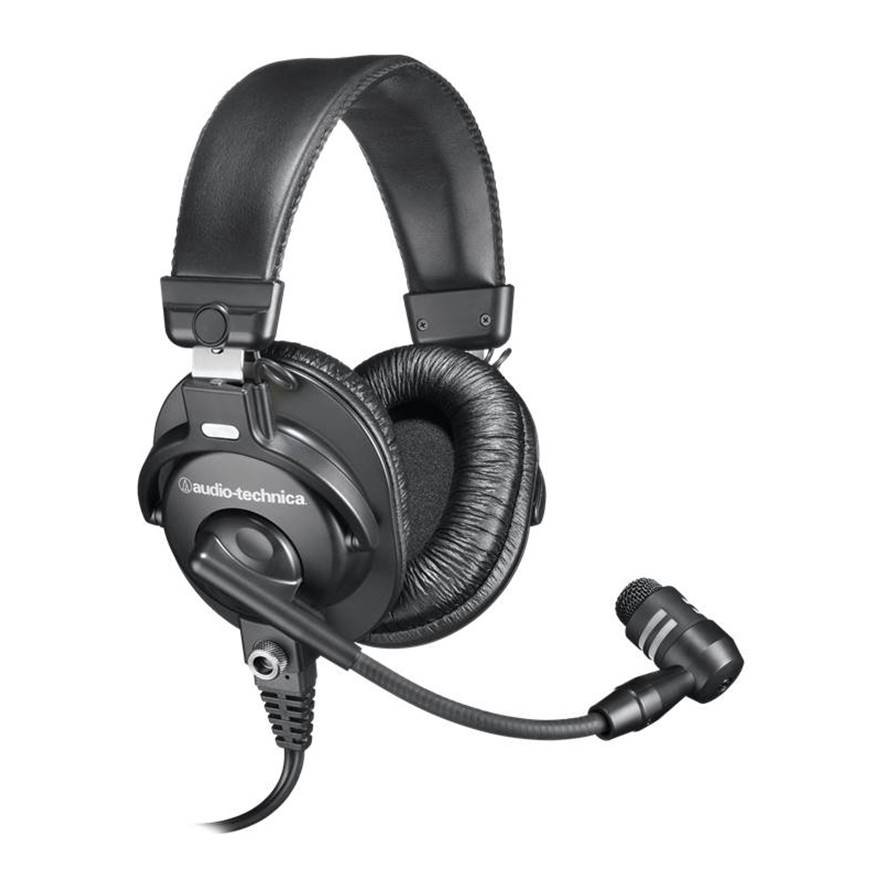
| Other Features | Rugged design with user-replaceable cable and ear pads. Boom-mounted microphone can be positioned on the left or right side. Cardioid pickup pattern of the dynamic microphone rejects off-axis sounds. Adjustable cushioned headband and lightweight design for long-wearing comfort. Closed-back circumaural ear cups help seal out crowd noise and other background distractions. Neodymium magnets in microphone and headphones for high output level & detailed sound reproduction. Microphone features polar pattern and frequency response tailored for natural, highly intelligible vocal reproduction. BPHS1-XF4 - Includes detachable cable ( BPCB4 ) terminates in 4-pin XLRF-type connector for use with intercom systems. BPHS1 - Includes detachable cable ( BPCB1 ) that terminates in 3-pin XLRM-type connector for microphone and ¼" 3-conductor for headphone. |
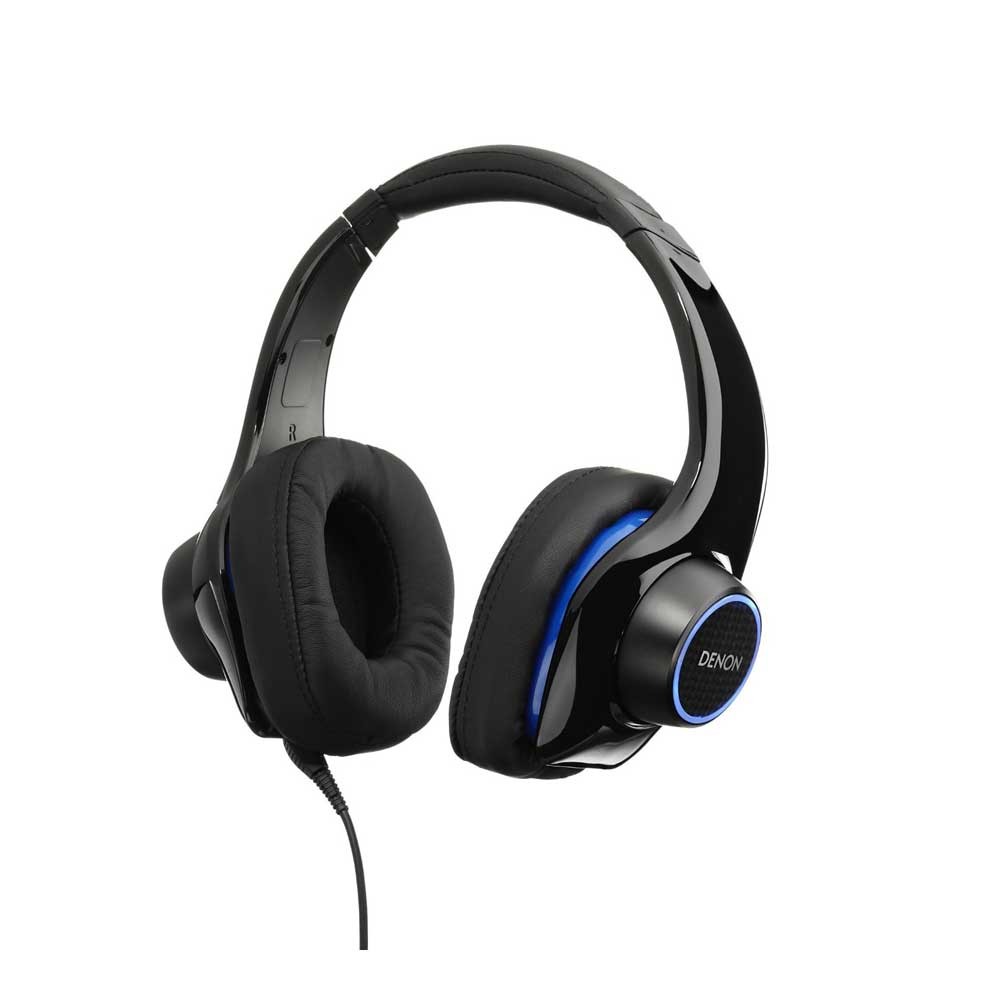
- Powerful Bass - Eye-catching color combinations - Built-in headphone amplifier and rechargeable battery for explosive sound |
Advertisement
Compare Audio Technica BPHS1 with:
Compare Denon AH-D400 with:
Top Differences
- Noise Cancelling: NA vs Sound Isolation
- Driver Size: 50 mm vs 40 mm
- Weight: 310 g vs 264 GM
- Impedance: 32 Ohms Vs 65 ohm
Advertisement