 ALERT
ALERT
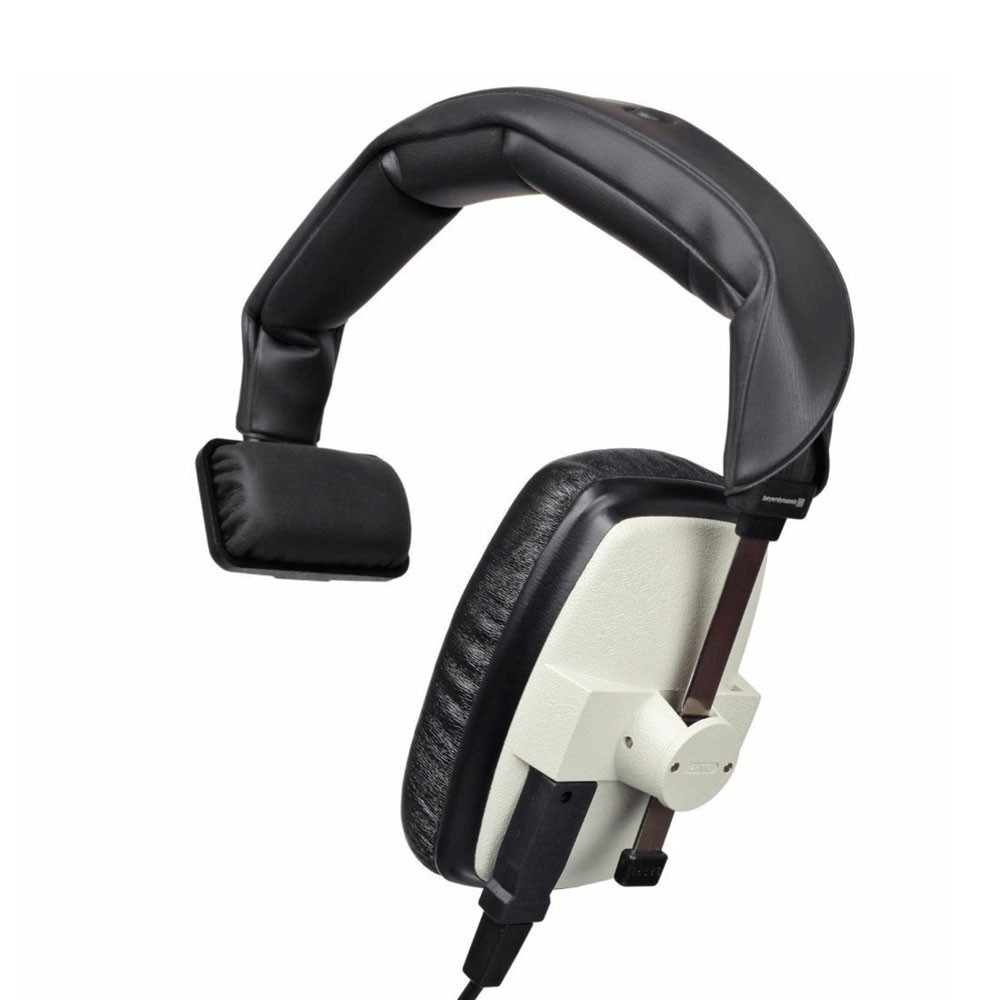
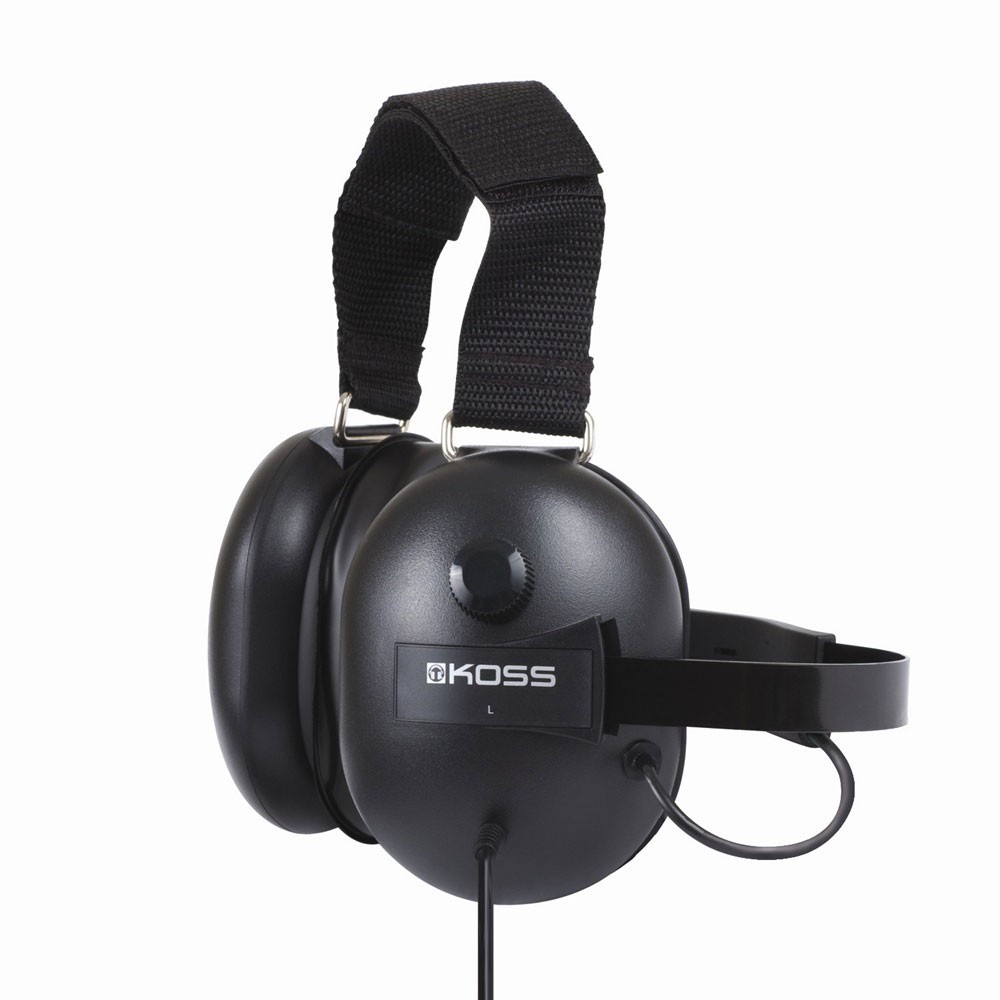
Beyerdynamic DT 102 vs Koss QZ5
Advertisement
| Specification | ||
|---|---|---|
| Price | Rs.7,200.00 |
Rs.7,340.00 |
| Brand | Beyerdynamic |
Koss |
| Model No | DT 102 |
QZ5 |
| Wired / Wireless | Wired Headphone Specification |
Wired Headphone Specification |
| Headphone Type | Over Ear |
Over Ear |
| Magnet Type | Neodymium |
Neodymium |
| Driver Diameter | NA |
NA |
| Impedance | 400 Ohms |
60 |
| Sensitivity | 94 dB/mW |
102 dB/mW |
| Frequency Response | 30 Hz to 20000 Hz |
40 Hz - 20000 Hz |
| Maximum Power Input | 1000 mW |
NA |
| Noise Cancelling | NA |
NA |
| Available Colors | Grey |
Black |
| Connector Plating | 3.5 mm Gold Plated Jack |
3.5 mm Gold Plated Jack |
| Cable | 3 m |
2.5 m |
| Weight | 250 g |
NA |
| Other Features | - Modular construction for easy servicing - Excellent ambient noise attenuation - Rugged construction - Wide frequency response - High sensitivity - High sound pressure capability |
- Neodymium magnet structures deliver outstanding clarity and definition - Closed Pneumaliteâ„¢ ear cushions and extra-secure headband seal ears, eliminate all ambient noise - Volume control on ear cup allows easy level adjustment - Stereo/mono switch extends user flexibility - Includes 8 foot, coiled, single-entry cord with 3.5 mm plug and 6.3 mm adapter - Covered under the Koss Stereo phones Limited Lifetime Warranty |
Advertisement
Compare Beyerdynamic DT 102 with:
Compare Koss QZ5 with:
Top Differences
- Weight: 250 g vs NA
- Impedance: 400 Ohms Vs 60
Advertisement