 ALERT
ALERT
Advertisement
| Specification | ||
|---|---|---|
| Price | Rs.17,308.80 |
Rs.16,999.00 |
| Brand | Beyerdynamic |
Skullcandy |
| Model No | VERIO 200 |
RIFF® 2 Wireless |
| Wired / Wireless | Wireless Headphone Specification |
Wireless Headphone Specification |
| Headphone Type | On Ear |
On Ear |
| Magnet Type | Dynamic |
Dynamic |
| Driver Diameter | 10 mm |
40 mm |
| Impedance | 32 ohm |
32 Ohms |
| Sensitivity | NA |
94dB+/-3dB |
| Frequency Response | 20Hz - 20KHz |
20Hz - 20KHz |
| Maximum Power Input | NA |
DC 5 V 2A |
| Wireless / Bluetooth Details | ||
| Wireless Technology | Bluetooth |
Bluetooth |
| Bluetooth Version | 5.3 |
5.2 |
| Compatible Profiles | All Bluetooth Devices |
All Bluetooth Devices |
| Supported Codecs | aptXTM Adaptive, AAC, SBC |
AAC, SBC |
| Battery Type | Lithium-Ion Batteries |
Lithium-Ion Batteries |
| Bluetooth Range | 15 Meters |
10 Meters |
| Battery Life | 8 / 27 Hours |
34 Hours |
| Charging Time | 1.5 Hours |
1 Hours |
| Noise Cancelling | NA |
Sound Isolation |
| Available Colors | Black, Grey |
Black |
| Connector Plating | NA |
3.5 mm Jack |
| Cable | USB Type-C Charging Cable |
USB Type-C Charging Cable |
| Weight | 98 GM |
153 GM |
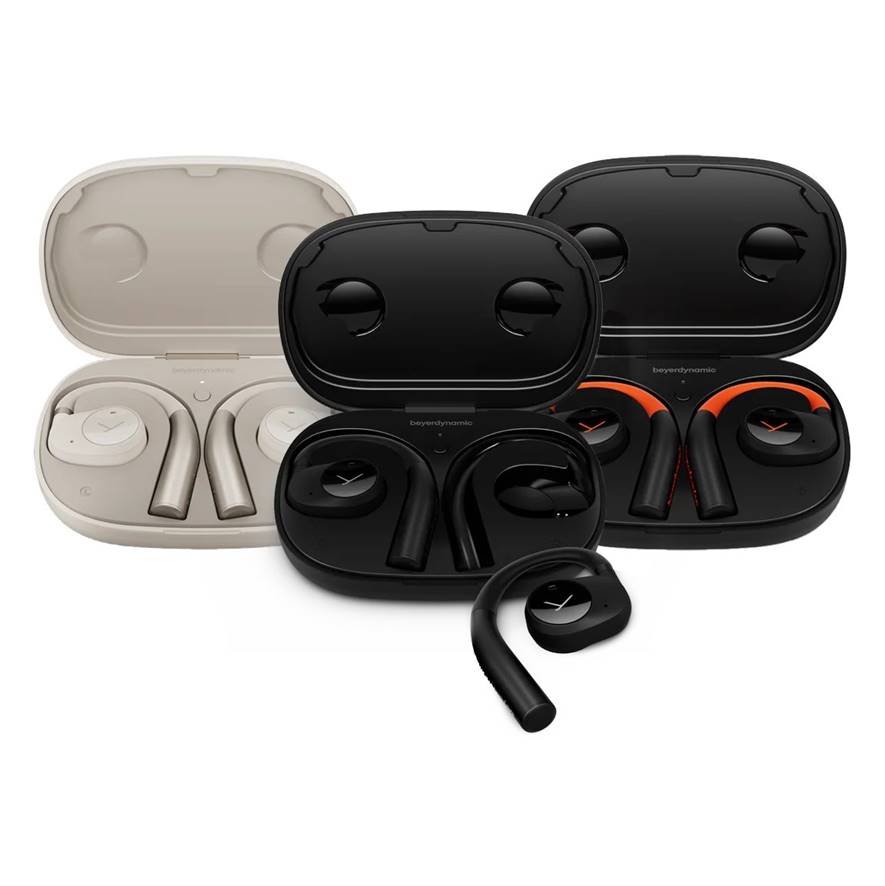
| Other Features | Simple operation. Open fit on the ear. Customised performance with the beyerdynamic app. Bluetooth 5.3, latest audio codecs: Qualcomm aptX Adaptive, aptX Losless & AAC. High-quality materials and protection against splashing water and sweat thanks to IP54 certification. Open sound and two outstanding microphones with Qualcomm aptX Voice for impressive speech intelligibility. Perfect ergonomic fit and ultra-light materials, keep you comfortable all day, no matter what you’re doing. Up to 8 hours battery life on a single charge, plus additional 27 hours with charging case, USB-C charging port. |
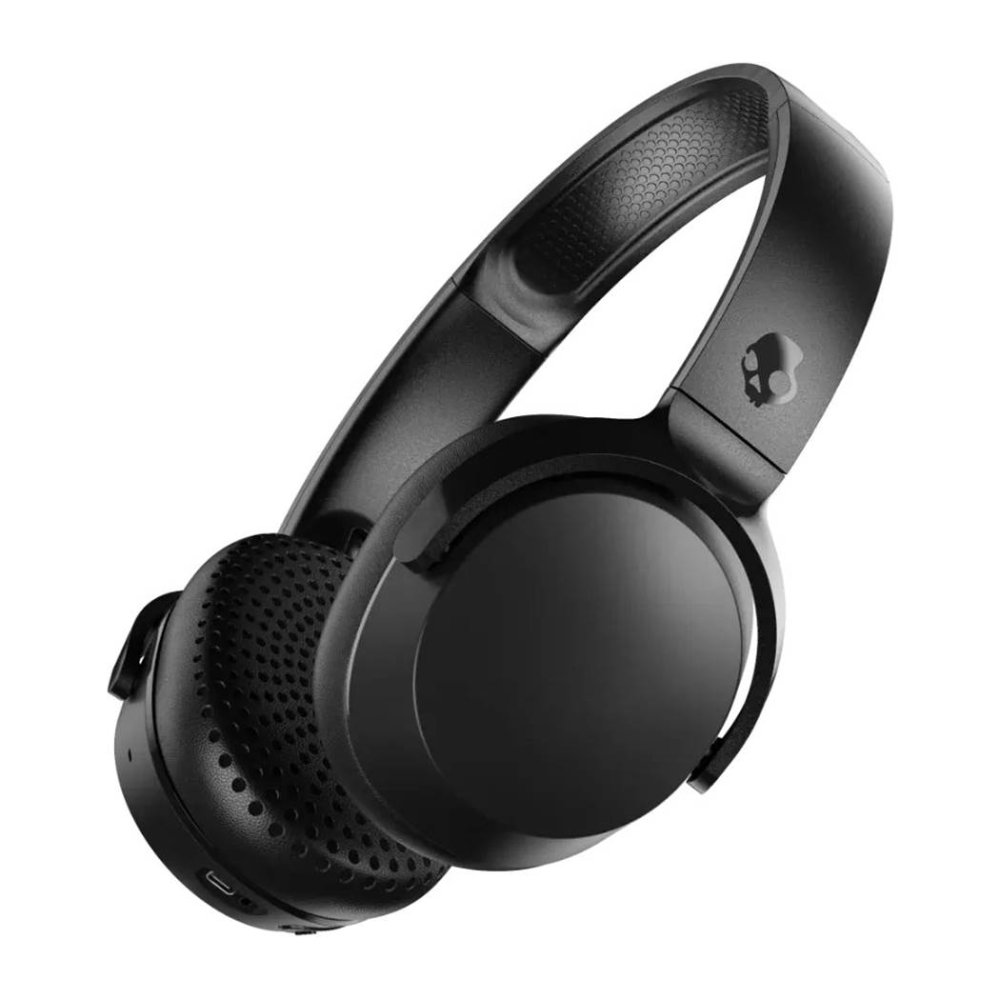
Multipoint Pairing. Call, Track & Volume Control. Rapid Charge 10 min = 4 Hours. Built-in Tile™ Finding Technology. 34 Hours Total Battery + Rapid Charge​. Advanced Features Through the Skullcandy App. On-ear headphones are all about all-day battery and comfort, and Riff 2 is no exception. It delivers the goods affordably with 34 hours of battery life, a backup aux cable and the peace of mind that comes with Tile™ finding technology. |
Advertisement
Compare Beyerdynamic VERIO 200 with:
Compare Skullcandy RIFF® 2 Wireless with:
Top Differences
- Battery Life: 8 / 27 Hours vs 34 Hours
- Noise Cancelling: NA vs Sound Isolation
- Driver Size: 10 mm vs 40 mm
- Bluetooth: 5.3 vs 5.2
- Weight: 98 GM vs 153 GM
Advertisement