 ALERT
ALERT
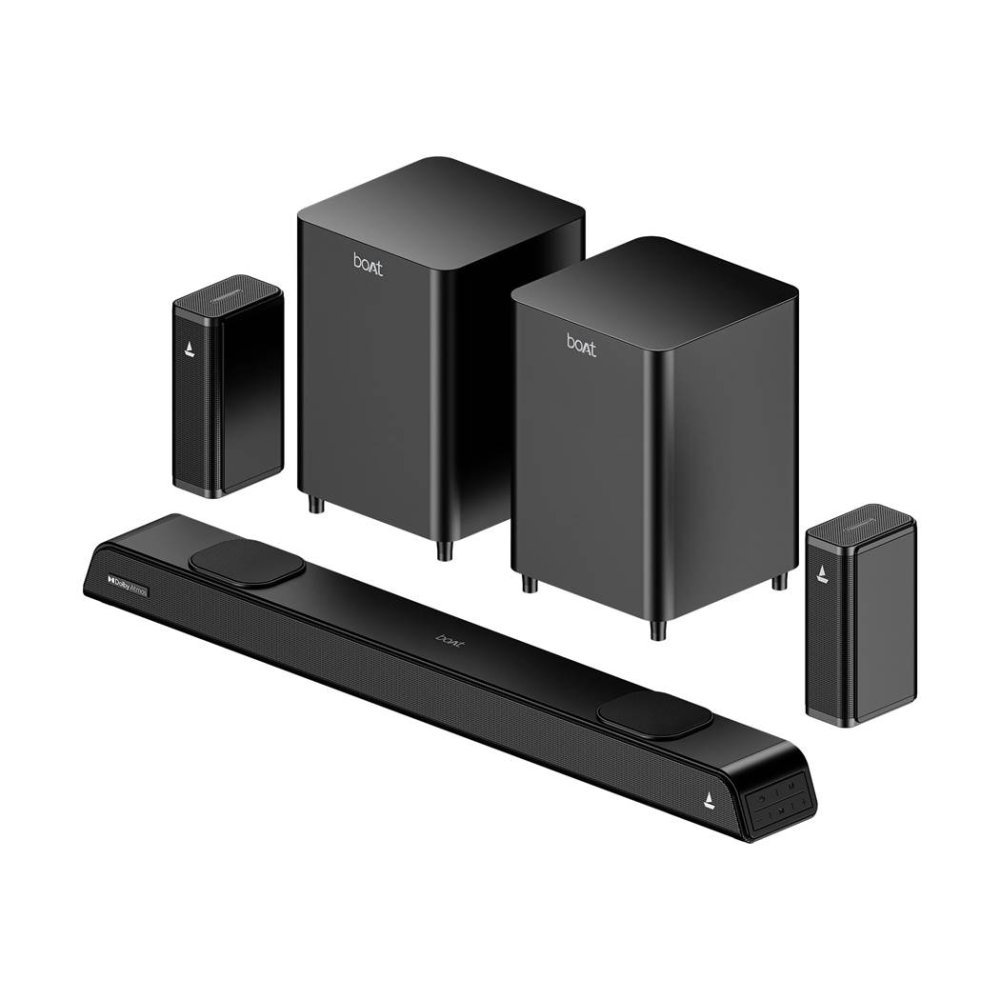
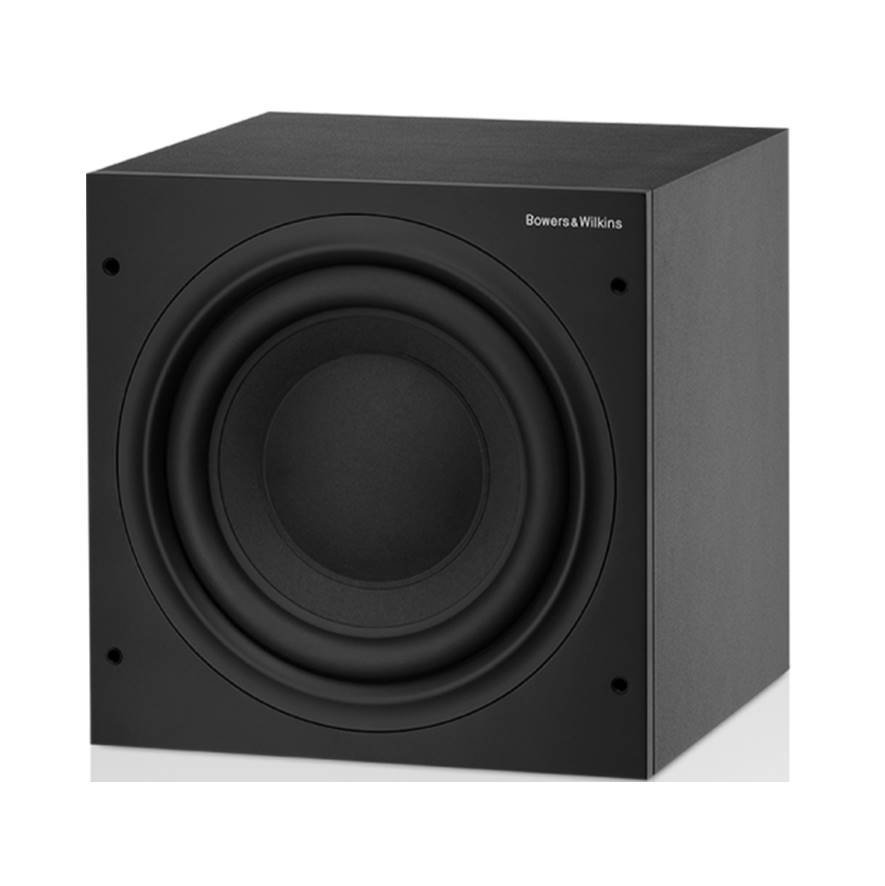
boAt Aavante Prime 5.2.4 6250DA vs Bowers & Wilkins ASW610
Advertisement
| Specification | ||
|---|---|---|
| Price | 74990.00 |
77172.40 |
| Brand | boAt |
Bowers & Wilkins |
| Model No | Aavante Prime 5.2.4 6250DA |
ASW610 |
| Wired / Wireless | Home Theatre Speaker Specification |
Home Theatre Speaker Specification |
| Driver Type | Digital Audio Power Amplifier |
Dynamic |
| Driver Diameter | Soundbar : 57.15 mm X 5 Subwoofer : 165.1 mm Satellite : 52.75 mm X 2 + 76.2 mm X 2 |
250 mm |
| Impedance | 8Ω + 8Ω + 4Ω |
33 ohm |
| Sensitivity | Soundbar : 800mV±50mV Subwoofer : 400mV±50mV |
NA |
| Frequency Response | 40Hz - 20KHz |
20Hz - 25 / 140Hz, 27Hz - 40 / 140Hz |
| Maximum Power Input | AC 110~240V, 50/60Hz |
AC 100V-240 V / 50 Hz / 60 Hz |
| Maximum Power Output | 625 W ( RMS ) Surround Sound Channel Configuration : 5.2.4 |
200 W ( RMS ) |
| Signal to Noise Ratio | ≥68dB |
>90dB |
| Noise Cancelling | Active |
|
| Aux Connectivity | Yes |
Yes |
| Weight | Unit Weight : 7.00 Kg |
12.5 Kg |
| Dimensions | Satellite : 200 mm X 110 mm X 65 mm Soundbar : 950 mm X 105 mm X 72 mm Subwoofer : 372 mm X 308 mm X 190 mm |
347 mm X 310 mm X 310 mm |
| Available Colors | Black |
Black, White |
| Accessories | boAt Aavante Prime 5.2.4 6250DA Home Theatre Speaker 1 UNIT Soundbar 1 UNIT User Manual 1 UNIT Power Cable 1 UNIT AUX-IN Cable 2 UNITS AAA Batteries 1 UNIT Wall Mount Kit 1 UNIT Remote Control 1 UNIT Satellite Adapter 1 UNIT Wired Subwoofer 2 UNITS Wireless Satellite Speakers |
Bowers & Wilkins ASW610 Subwoofer |
| Other Features | 625W RMS With boAt Signature Sound : Unleash powerful, room-filling audio with deep bass and crystal-clear sound that elevates every movie, game, or playlist. Immersive Cinematic Sound With Dolby Atmos : Step into a theatre-like experience at home with Dolby Atmos delivering multi-dimensional, immersive sound and incredible clarity. Please Note : TV sound output needs to be set to ‘Auto’ so that it can send the right source format to the soundbar for playing a 5.1 Dolby or Atmos content. Otherwise it will default to 2.0 stereo. Satellite Pairing : Power on satellites. Blue LED flashes. Hold the PAIR button on the satellite till LED blinks fast. Long press BT on remote; 5s till Soundbar shows “Pair.” Wait; LED solid = paired. 5.2.4CH With Dual Subwoofers & Wireless Rear Satellites : Dual wired subwoofers for thumping bass and dual wireless rear satellites combine to create a surround sound experience that takes your TV viewing to the next level. |
Active Closed-Box Subwoofer System. ASW610's sealed enclosure keeps the bass good and tight (and exciting!). 5-Year Warranty Valid from the date of purchase for passive loudspeakers. ASW610 is compact, making it a subwoofer you can squeeze in anywhere. Or maybe use two for more bass control? ASW610's long-throw 250mm driver allows it to move the large volumes of air needed for high-quality low-frequency output, and its audiophile-standard amplifier keeps the compact unit running cool. Technical Features - Input Level (line in), Input Level (Speaker in), Low-Pass Filter Frequency (line in only),Low-Pass Filter Bypass, Bass Extension, Bass Roll-Off Alignment, Auto Sense On / Standby, Phase Switch. |
Advertisement
Compare boAt Aavante Prime 5.2.4 6250DA with:
Compare Bowers & Wilkins ASW610 with:
Top Differences
- Sound Output: 200W vs 625W
- Channels: 200 vs 625
- Dolby Atmos: No vs Yes
- Bluetooth: na vs yes
- Frequency Response: 20Hz - 25 / 140Hz, 27Hz - 40 / 140Hz vs 40Hz - 20KHz
Advertisement