 ALERT
ALERT
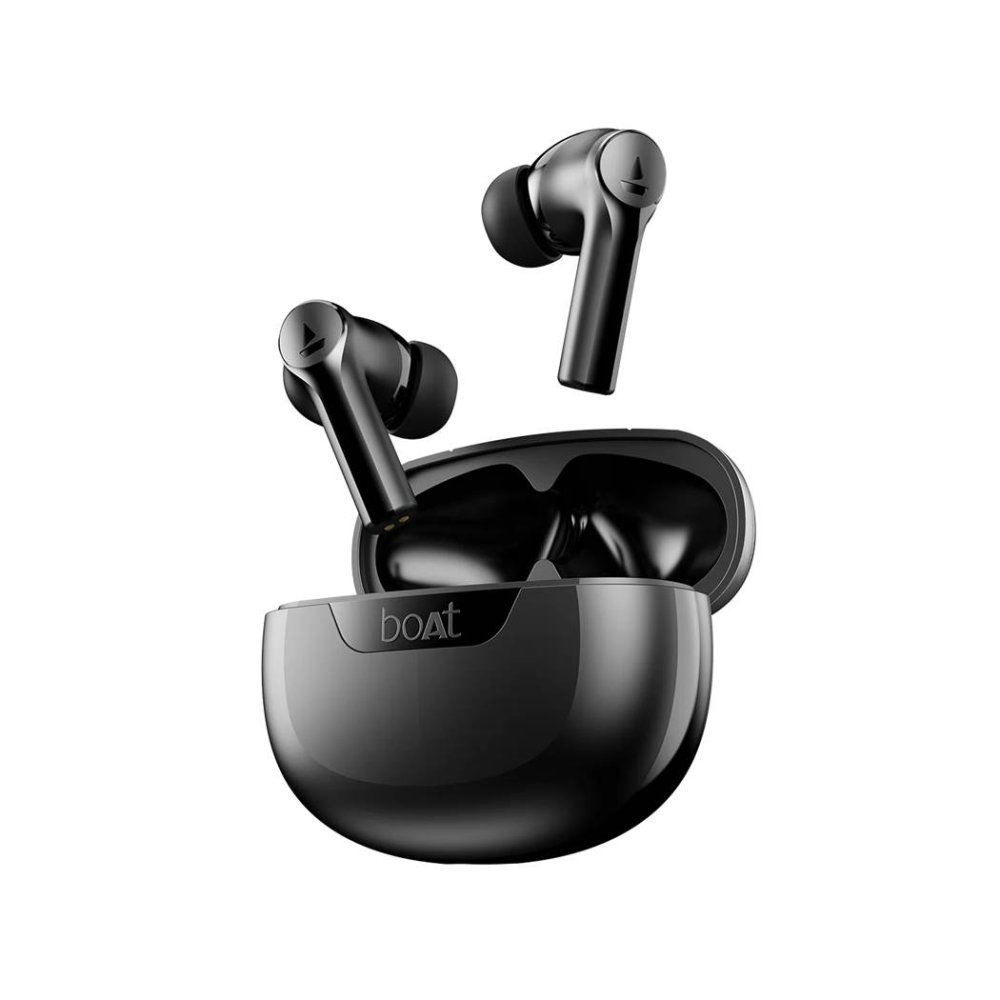
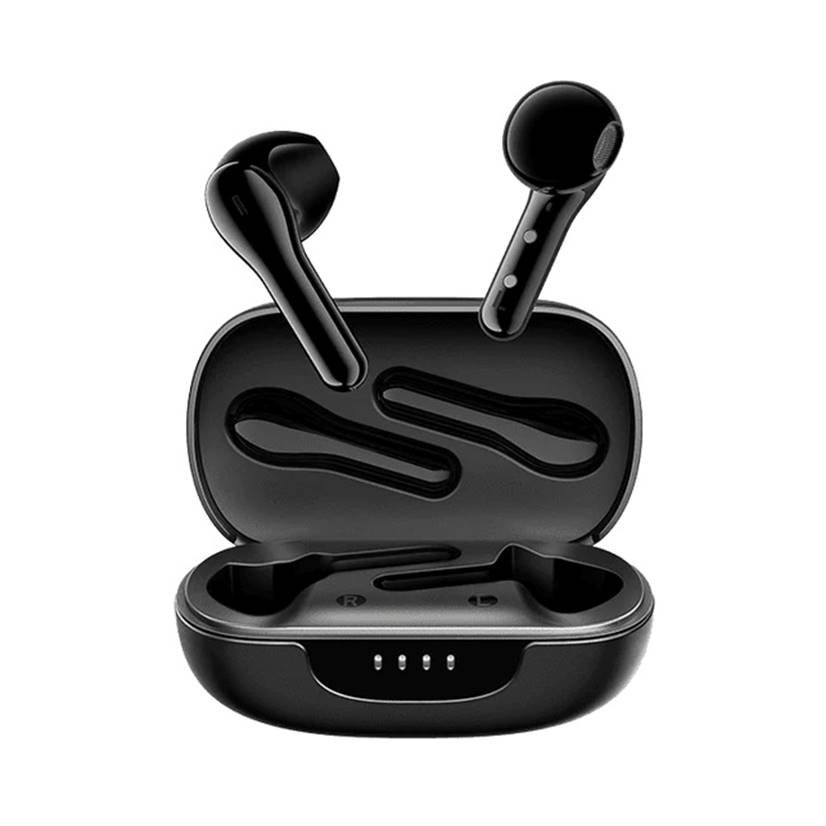
boAt Airdopes 300 vs Tribit FlyBuds C2
Advertisement
| Specification | ||
|---|---|---|
| Price | Rs.6,490.00 |
Rs.6,533.10 |
| Brand | boAt |
Tribit |
| Model No | Airdopes 300 |
FlyBuds C2 |
| Wired / Wireless | Wireless Headphone Specification |
Wireless Headphone Specification |
| Headphone Type | In Ear |
In Ear |
| Magnet Type | Dynamic |
Dynamic |
| Driver Diameter | 10 mm X 2 |
13 mm |
| Impedance | 16 Ohms |
NA |
| Sensitivity | NA |
NA |
| Frequency Response | 20Hz - 20KHz |
20 Hz - 48000 Hz |
| Maximum Power Input | DC 5V |
5V / 1A |
| Wireless / Bluetooth Details | ||
| Wireless Technology | Bluetooth |
Bluetooth |
| Bluetooth Version | 5.3 |
5.2 |
| Compatible Profiles | All Bluetooth Devices |
All Bluetooth Devices |
| Supported Codecs | AAC, SBC |
aptX , AAC, SBC |
| Battery Type | Lithium-Ion Batteries |
Lithium-ion Batteries |
| Bluetooth Range | 10 Meters |
10 Meters |
| Battery Life | 50 Hours |
32 Hours |
| Charging Time | 2.5 Hours |
2 Hours |
| Noise Cancelling | Active Noise Cancelling |
CVC |
| Available Colors | Black, White |
Black |
| Connector Plating | NA |
NA |
| Cable | USB Type-C Charging Cable |
USB-C-To-USB-A Charging Cable |
| Weight | 140 GM |
44.0 Gm |
| Other Features | Cinematic Spatial Audio : Dive into the content with spatial audio when you pop in these earbuds. 24-bit audio processing makes listening immersive by adding a dimension to the sound. 50 Hours Of Playback : Game and stream over the weekend with Airdopes 300 in tow. The massive playtime of up to 50 hours makes it easy to stay entertained no matter what you're watching. Multipoint Connectivity : Whether you need to juggle calls or catch up on your watchlist across multiple devices, these earbuds have got your back. Connect to two devices at the same time and get your work done right. In-Ear Detection : Wear your Airdopes 300 for automatically playing the audio or to answer calls and take them out to pause audio or switch calls. With seamless in-ear detection, these earbuds instantly power up entertainment. 4 Mics With AI-ENx Technology : Enter the audio realm leaving noise behind with the boAt Airdopes 300 TWS Earbuds. Featuring a set of four mics, these earbuds retain your voice quality for hassle-free calls. Moreover, these mics are enabled with noise-cancellation powered by Artificial Intelligence so that you can make and attend calls without distortion from any location. |
Upgraded Faster Charging. Fast and Stable Connection. Crystal Clear, High Quality Calls. FlyBuds C2 features a classic half in-ear design with large 13mm drivers that were designed to sit comfortably in the ears without causing pain or discomfort after long periods of wear. FlyBuds C2 wireless Bluetooth earbuds feature the latest Qualcomm QCC3040 chip, aptX high-quality audio decoding, and up to 48KHz frequency to provide listeners with detailed audio, punchy bass and a stunning stereo sound. |
Advertisement
Compare boAt Airdopes 300 with:
Compare Tribit FlyBuds C2 with:
Top Differences
- Battery Life: 32 Hours vs 50 Hours
- Noise Cancelling: CVC vs Active Noise Cancelling
- Driver Size: 13 mm vs 10 mm X 2
- Bluetooth: 5.2 vs 5.3
- Weight: 44.0 Gm vs 140 GM
Advertisement