 ALERT
ALERT
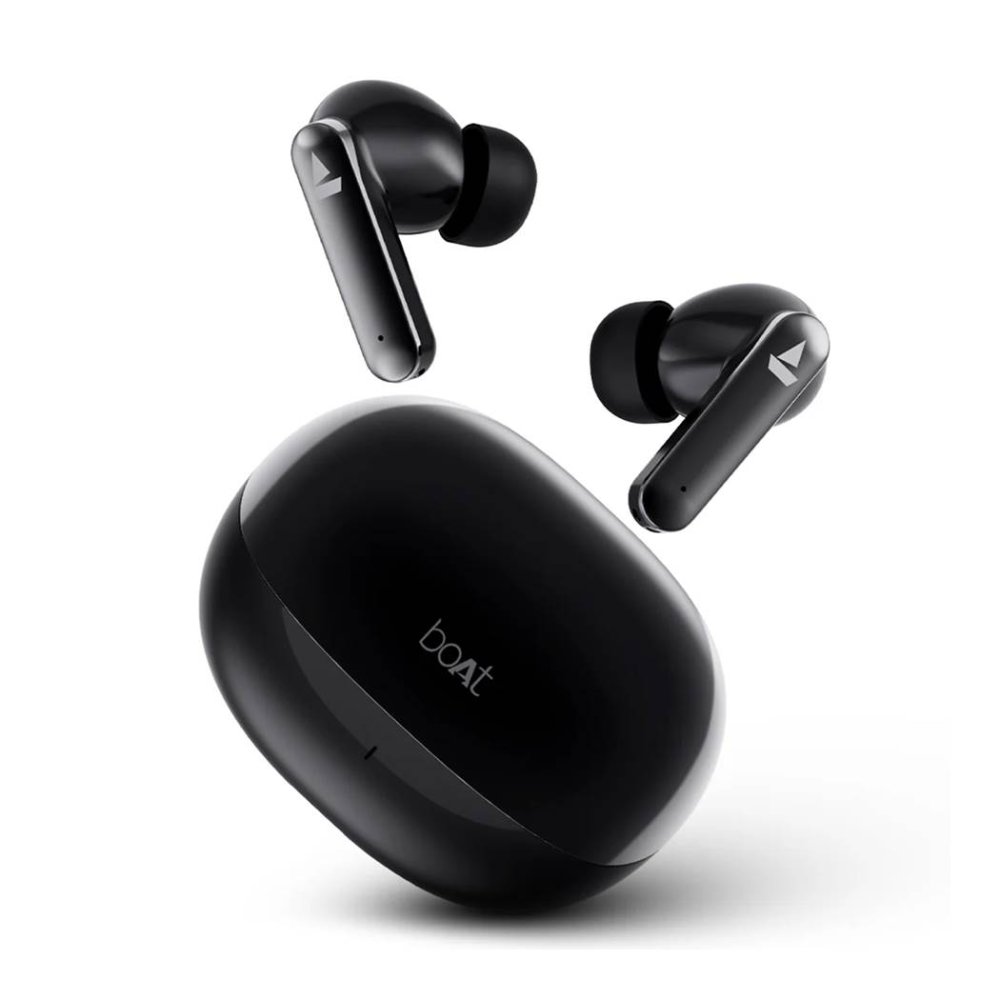
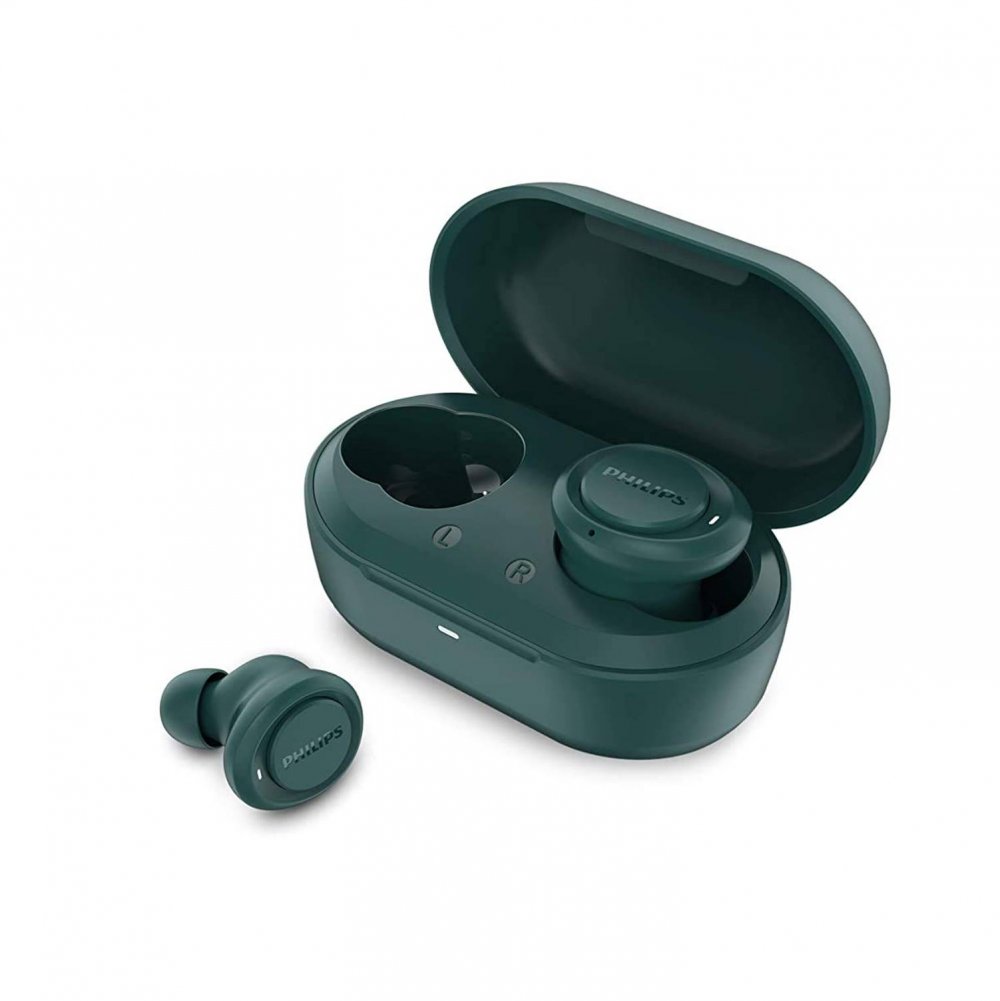
boAt Airdopes 301 vs Philips TAT1225BL/94
Advertisement
| Specification | ||
|---|---|---|
| Price | Rs.4,990.00 |
Rs.4,999.00 |
| Brand | boAt |
Philips |
| Model No | Airdopes 301 |
TAT1225BL/94 |
| Wired / Wireless | Wireless Headphone Specification |
Wireless Headphone Specification |
| Headphone Type | In Ear |
In Ear |
| Magnet Type | Dynamic |
Neodymium |
| Driver Diameter | 10 mm X 2 |
6 mm |
| Impedance | NA |
16 ohm |
| Sensitivity | NA |
NA |
| Frequency Response | 20Hz - 20KHz |
20 Hz - 20000 kHz |
| Maximum Power Input | DC 5V |
NA |
| Wireless / Bluetooth Details | ||
| Wireless Technology | Bluetooth |
Bluetooth |
| Bluetooth Version | 5.3 |
5.1 |
| Compatible Profiles | All Bluetooth Devices |
All Bluetooth Devices |
| Supported Codecs | AAC, SBC |
A2DP, AVRCP, Handsfree, HFP, HSP |
| Battery Type | Lithium-Ion Batteries |
Lithium- Ion Batteries |
| Bluetooth Range | 10 Meters |
10 Meters |
| Battery Life | 75 Hours |
6+12 Hours |
| Charging Time | 1.5 Hours Case & 30 Mins Earbuds |
1.5 Hours |
| Noise Cancelling | Environmental Noise Cancellation |
NA |
| Available Colors | Black, Grey, Gold, Silver |
Green |
| Connector Plating | NA |
NA |
| Cable | USB Type-C Charging Cable |
Micro USB-C Charging Cable |
| Weight | 45 GM |
60 gm |
| Other Features | 75 Hours Of Playtime : Plug in the boAt Airdopes 301 TWS Earbuds and dive into 75 hours of audio relaxation. Enjoy your comfort movies, web series, or podcasts without frequent charging woes. Insta Wake N’Pair : You can listen to music, watch movies, and enjoy TV series episodes whenever you want, thanks to IWP technology. Flip open the charging case and instantly pair your buds to sing along to the latest tracks. ASAP Charge : Game and stream uninterruptedly with the lightning-fast ASAP Charge in these earbuds. Juice your Airdopes for 5 minutes and get a performance boost of 60 minutes. Bid goodbye to low battery woes with ASAP Charge. 4 Mics With ENx Technology : Listen and speak from cafes, malls, busy streets, or airport lounges devoid of background noise. Combining four mics with noise-canceling ENx tech, these earbuds filter out all other sounds so that your voice is delivered with high clarity. Gaming BEAST Mode : Adrenaline-raising gaming sessions with your squad are a tap away with BEAST mode’s 50 ms low latency. By taking out lag from the mix, these earbuds match your moves in the gaming arena with the audio for seamless wins each time. |
Secure, comfortable fit. Snug, lightweight design. IPX4 splash- and sweat-resistant. Easily wake your phone's voice assistant. Earbud switches to control music and calls. Extremely convenient, super-small charging case. Small charging case for up to 18 hours play time. Built-in mic with echo cancellation for clear audio. 6 mm neodymium drivers. Clear sound, punchy bass. Smart pairing. Automatically find your Bluetooth device. |
Advertisement
Compare boAt Airdopes 301 with:
Compare Philips TAT1225BL/94 with:
Top Differences
- Battery Life: 6+12 Hours vs 75 Hours
- Noise Cancelling: NA vs Environmental Noise Cancellation
- Driver Size: 6 mm vs 10 mm X 2
- Bluetooth: 5.1 vs 5.3
- Weight: 60 gm vs 45 GM
Advertisement