 ALERT

Bowers & Wilkins 802 D4 vs KEF Blade Two Meta
Best For
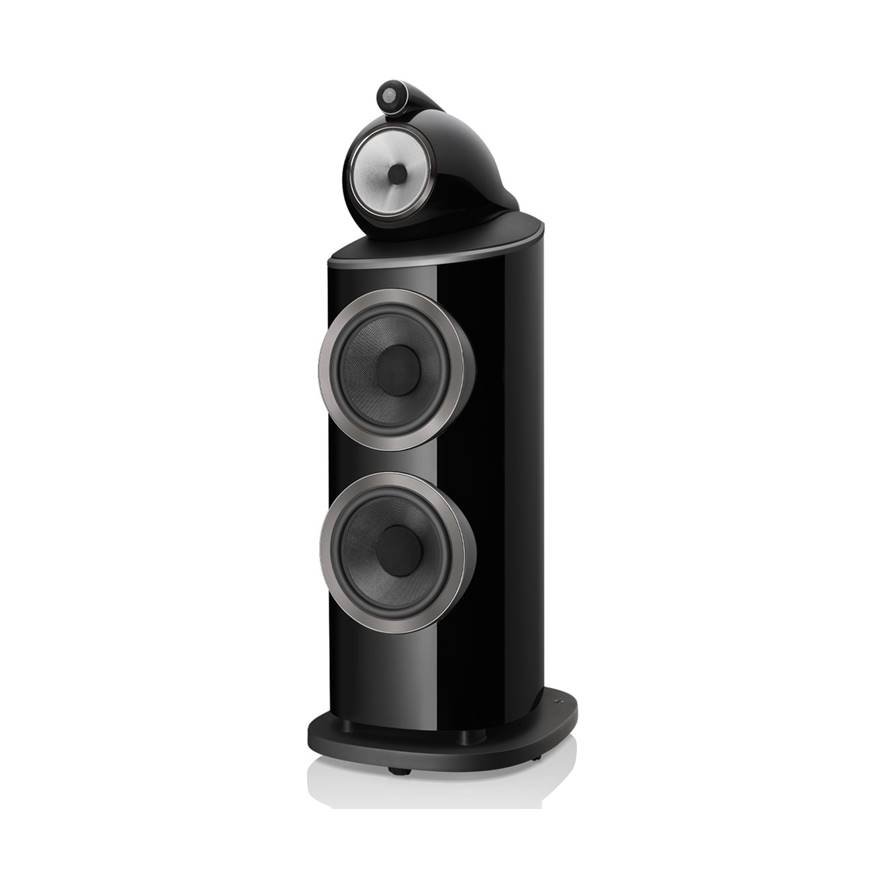
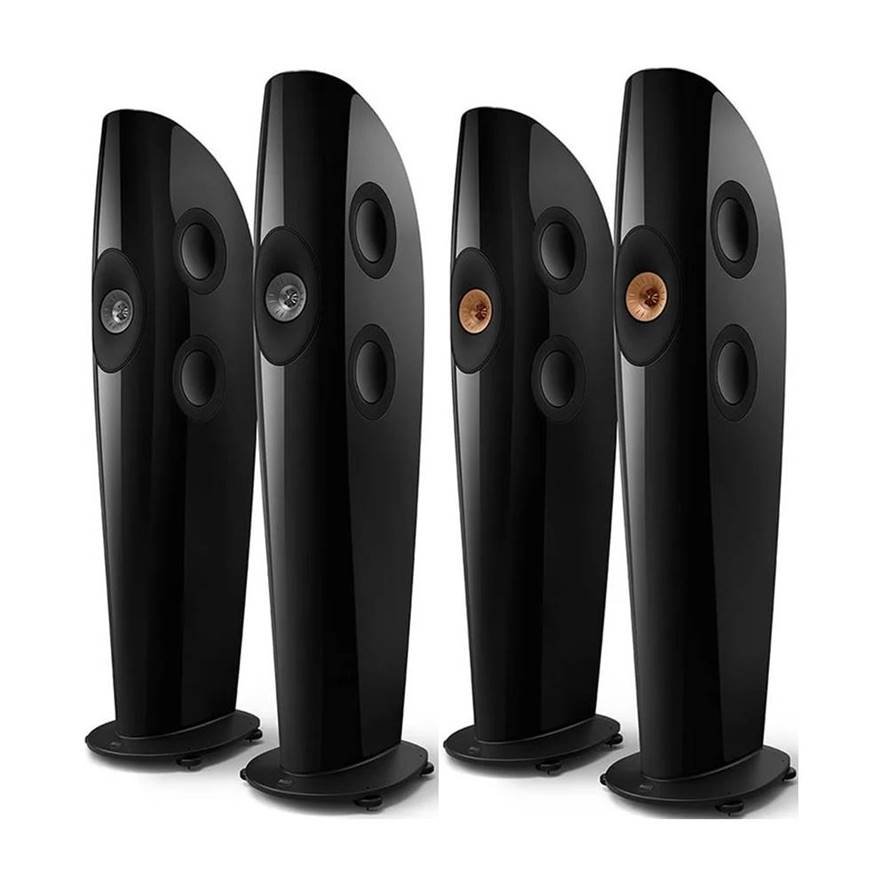
The Bowers & Wilkins 802 D4 and KEF Blade Two Meta are premium wired floorstanding speakers designed for high-end home audio systems, but they take different approaches to sound reproduction. The 802 D4 features a Diamond Tweeter, Continuum cone technology and a dedicated Turbine Head midrange enclosure, while the Blade Two Meta combines KEF's Uni-Q driver array with Metamaterial Absorption Technology (MAT) and four force-cancelling bass drivers. Bowers & Wilkins offers higher sensitivity at 90 dB, whereas KEF specifies a wider frequency range and a maximum sound pressure level of 116 dB. Your choice depends on amplifier compatibility, room size and preferred sound presentation.
Verdict
The KEF Blade Two Meta is the more compelling choice for listeners prioritizing a cohesive soundstage, advanced high-frequency technology and powerful output for large listening spaces. Its Uni-Q array and MAT technology are key attractions for detailed, immersive listening. The Bowers & Wilkins 802 D4 is an excellent alternative for those who value its Diamond Tweeter, distinctive midrange design and higher 90 dB sensitivity. Both require a suitable external amplifier, so consider your existing audio system and room acoustics before deciding.
| Specification | ||
|---|---|---|
| Price | 2656997.60 |
3300000.00 |
| Brand | Bowers & Wilkins |
KEF |
| Model No | 802 D4 |
Blade Two Meta |
| Wired / Wireless | Home Theatre Speaker Specification |
Home Theatre Speaker Specification |
| Driver Type | Dynamic |
Dynamic |
| Driver Diameter | 25/550 mm |
Uni-Q Driver Array MF : 125 mm Aluminum Cone HF : 25 mm Aluminum Dome With MAT Bass Unit LF : 4 X 165 mm Hybrid Aluminum Cone, Force Cancelling |
| Impedance | 8 ohm |
4 Ohms ( Min. 2.8 Ohms ) |
| Sensitivity | 90dB spl |
86 dB |
| Frequency Response | 14 Hz - 35 kHz, 17 Hz - 28 kHz |
Crossover Frequency : 450 Hz, 2.2 KHz Frequency Range ( -6dB ) : 30 Hz - 45 KHz Frequency Response ( ±3dB ) : 33 Hz - 35 KHz Typical In-Room Bass Response ( -6dB ) : 25 Hz Harmonic Distortion 2nd & 3rd Harmonics ( 90dB, 1m ) : <0.5% 40Hz - 100KHz, <0.2% 200Hz - 2KHz, <0.1% 2kHz - 20KHz |
| Maximum Power Input | AC 100V-240 V / 50 Hz / 60 Hz |
NA |
| Maximum Power Output | 50 W - 500 W ( RMS ) |
50 - 400 W ( RMS ) Three-Way Bass Reflex Single Apparent Source |
| Signal to Noise Ratio | 90 dB |
116 dB |
| Noise Cancelling | NA |
|
| Aux Connectivity | No |
No |
| Weight | 88.10 Kg |
35.3 Kg |
| Dimensions | 1218 mm X 602 mm X 413 mm |
Speaker : 1461 mm X 338 mm X 475 mm |
| Available Colors | Black, White, Grey, Brown |
Black, White, Blue, Red, Grey |
| Accessories | Bowers & Wilkins 802 D4 Speaker |
KEF Blade Two Meta Home Theatre Speaker User Manual Warranty Information |
| Other Features | 3-Way Vented-Box System. 5-Year warranty Valid from the date of purchase for passive loudspeakers. Technical features - Diamond Tweeter, Solid Body Tweeter-On-Top, Continuum™ Cone FST, Matrix™, Anti-Resonance Plug, Biomimetic Suspension, Turbine™ Head, Aerofoil™ Cone Bass Units, Flowport. Built to similar proportions as the flagship 801 D4, the 802 D4 offers much of the performance of its sibling, including the same Turbine™ Head enclosure for its midrange drive unit, yet is more affordable overall. 802 D4 is a very special loudspeaker in its own right, with a thrilling blend of performance and style that other loudspeakers will find hard to emulate. Only one model in our range can best it – the flagship 801 D4, which has 250mm (10-in) bass cones in a more substantial low-frequency enclosure. |
High Sensitivity : Boasting a sensitivity of 86dB , these speakers efficiently convert electrical signals into sound, ensuring a dynamic and impactful listening experience. Low Harmonic Distortion : Harmonic distortion is kept to a minimum, with values below 0.5% across various frequency ranges, ensuring faithful reproduction of audio without unwanted artifacts. Amplifier Compatibility : With amplifier requirements ranging from 50-400W, these speakers can be efficiently driven by a variety of amplifiers, allowing for flexibility in system configuration. Crossover Precision : The crossover frequencies at 450Hz and 2.2kHz contribute to seamless transitions between different driver units, maintaining accuracy in reproducing audio across the frequency spectrum. Single Apparent Source : With a single apparent source configuration, these speakers create a cohesive and immersive soundstage, ensuring that audio emanates seamlessly from a unified point, enhancing spatial realism. Metamaterial Absorption Technology : The high-frequency unit boasts a 25 mm aluminum dome with MAT, a cutting-edge technology that minimizes distortion and enhances clarity in the reproduction of high-frequency sounds. Three-Way Bass Reflex Design : The KEF Blade Two Meta Floorstanding Speakers feature a sophisticated three-way bass reflex design, optimizing the reproduction of low, mid, and high frequencies for a well-balanced audio experience. Diverse Drive Units : The speakers incorporate a variety of drive units, including a 125 mm aluminum cone mid-frequency unit and four 165 mm force-canceling aluminum cone bass units, providing a comprehensive frequency range from 30Hz - 55kHz. Impressive SPL Levels : The speakers can achieve a maximum output of 116dB, indicating their capability to deliver high sound pressure levels, making them suitable for large rooms or home theater setups. The impedance rating of 4 ohms ( minimum 3.2 ohms ) ensures compatibility with a variety of audio systems. |
Compare Bowers & Wilkins 802 D4 with:
Compare KEF Blade Two Meta with:
Frequently Asked Questions
Top Differences
- Bluetooth: na vs no
- Frequency Response: 14 Hz - 35 kHz, 17 Hz - 28 kHz vs Crossover Frequency : 450 Hz, 2.2 KHz Frequency Range ( -6dB ) : 30 Hz - 45 KHz Frequency Response ( ±3dB ) : 33 Hz - 35 KHz Typical In-Room Bass Response ( -6dB ) : 25 Hz Harmonic Distortion 2nd & 3rd Harmonics ( 90dB, 1m ) : <0.5% 40Hz - 100KHz, <0.2% 200Hz - 2KHz, <0.1% 2kHz - 20KHz
- Subwoofer Size: 25 mm vs 125 mm