 ALERT
ALERT
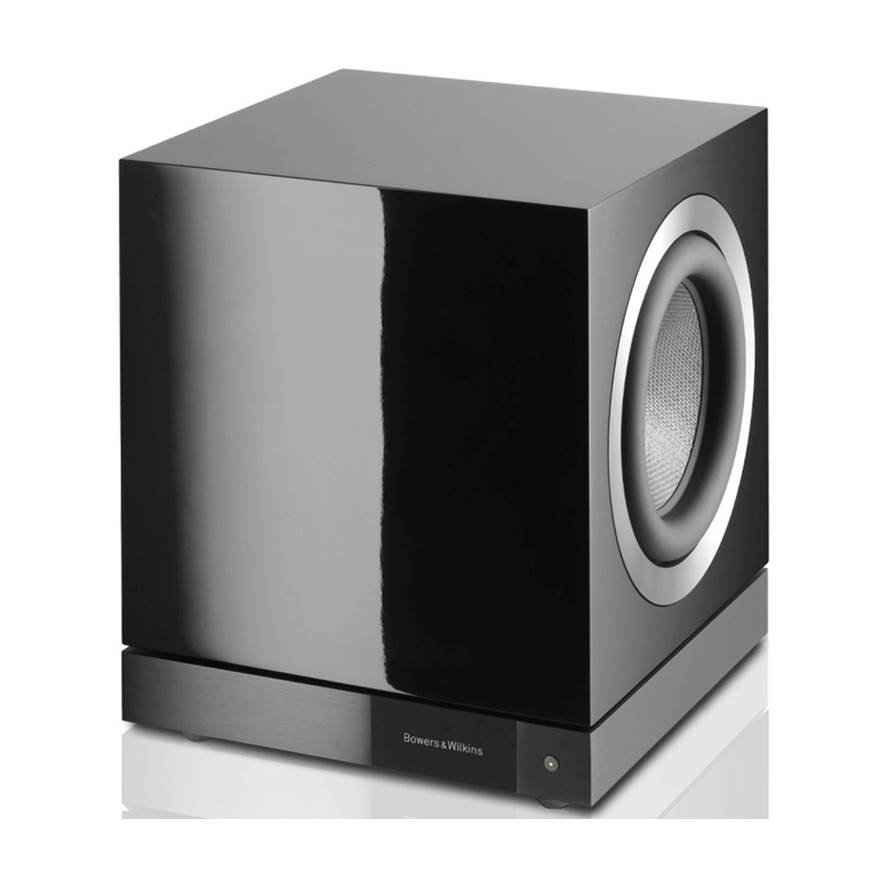
Bowers & Wilkins DB3D vs KEF R3 Meta
Advertisement
| Specification | ||
|---|---|---|
| Price | 300396.21 |
330000.00 |
| Brand | Bowers & Wilkins |
KEF |
| Model No | DB3D |
R3 Meta |
| Wired / Wireless | Home Theatre Speaker Specification |
Home Theatre Speaker Specification |
| Driver Type | Dynamic |
Dynamic |
| Driver Diameter | 400 mm |
Uni-Q Driver Array MF: 125 mm Aluminum Cone HF: 25 mm Vented Aluminum Dome With MAT Bass Unit: LF : 165 mm Hybrid Aluminum Cone |
| Impedance | NA |
4 Ohms ( Min. 3.2 Ohms ) |
| Sensitivity | NA |
87 dB |
| Frequency Response | 8.5Hz - 500Hz, 10Hz - 350 Hz |
Crossover Frequency : 420 Hz, 2.3 KHz Frequency Range ( -6dB ) : 38 Hz - 50 KHz Frequency Response ( ±3dB ) : 58 Hz - 28 KHz Typical In-Room Bass Response ( -6dB ) : 30 Hz Harmonic Distortion ( 90dB, 1m ) : <1% 73 Hz & Above, <0.5% 90 Hz - 20 KHz |
| Maximum Power Input | AC 100V-240 V / 50 Hz / 60 Hz |
NA |
| Maximum Power Output | 1000 W ( RMS ) |
15 - 180 W ( RMS ) Three-Way Bass Reflex |
| Signal to Noise Ratio | NA |
110 dB |
| Noise Cancelling | Active |
|
| Aux Connectivity | Yes |
No |
| Weight | 25 Kg |
12.4 Kg |
| Dimensions | 360 mm X 320 mm X 300 mm |
Speaker : 422 mm X 200 mm X 336 mm |
| Available Colors | Black, White |
Black, White, Blue, Brown |
| Accessories | Bowers & Wilkins DB3D Subwoofer |
KEF R3 Meta Home Theatre Speaker Port Bungs Rubber Feet One Pair Of Microfiber Grilles User Manual & Warranty Information |
| Other Features | DB Series Subwoofer. Solid, dramatic bass is delivered through the rigidity and lightness of the uniquely-shaped, variable thickness Aerofoil™ cone. DB3D’s ultra-rigid low-resonance enclosure comes in three finishes to match 800 Series Diamond and 700 Series loudspeakers. Digital amplification is cool-running and energy efficient, even when working hard, while Dynamic EQ and Room EQ ensure a precise sound for music and movies. By placing control in the palm of your hand, our subwoofer app not only makes our DB Series subwoofers a snap to set up, it also helps maximize your sound quality. Technical Features - 2 X 200mm (8 in) Aerofoil™ Cone Drive Units In A Balanced Configuration, Digital Preamplifier With Dynamic EQ, App-Based Set-Up & BT-LE Control. Despite its compact dimensions, DB3D delivers astonishingly powerful, controlled bass thanks to its twin 8-in Aerofoil™ drivers, amplifier and digital signal processing. |
Meta Material Absortion technology absorbs 99% of unwanted sound for the most pure and natural sound. R3 Meta featues KEF's 12th generation Uni-Q driver array with MAT and a powerful 6.5†hybrid aluminium bass driver that pushes performance to new extremes. R3 Meta redefines bookshelf speaker’s performance. Sharing the same drivers as the range-topping R11 Meta, the R3 Meta is a true three-R3 Meta redefines bookshelf speaker’s performance. Sharing the same drivers as the range-topping R11 Meta, the R3 Meta is a true three-way design way design. |

Advertisement
Compare Bowers & Wilkins DB3D with:
Top Differences
- Sound Output: 1000W vs 15W
- Channels: 1000 vs 15
- Bluetooth: na vs yes
- Frequency Response: 8.5Hz - 500Hz, 10Hz - 350 Hz vs Crossover Frequency : 420 Hz, 2.3 KHz Frequency Range ( -6dB ) : 38 Hz - 50 KHz Frequency Response ( ±3dB ) : 58 Hz - 28 KHz Typical In-Room Bass Response ( -6dB ) : 30 Hz Harmonic Distortion ( 90dB, 1m ) : <1% 73 Hz & Above, <0.5% 90 Hz - 20 KHz
- Subwoofer Size: 400 mm vs 125 mm
Advertisement