 ALERT
ALERT
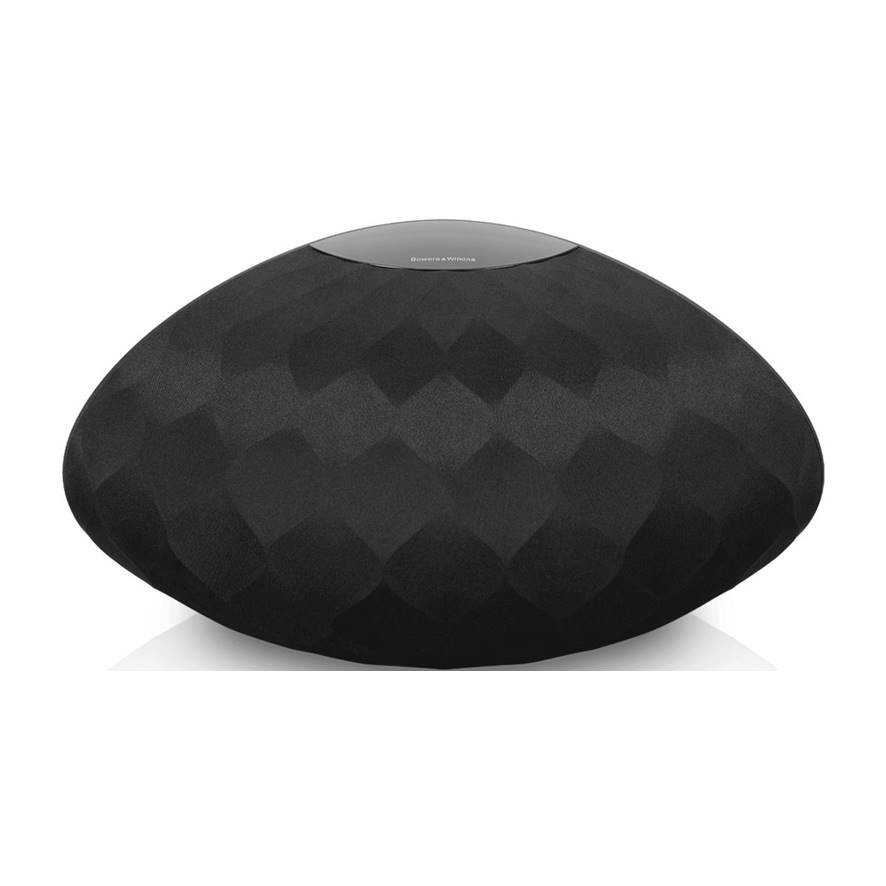
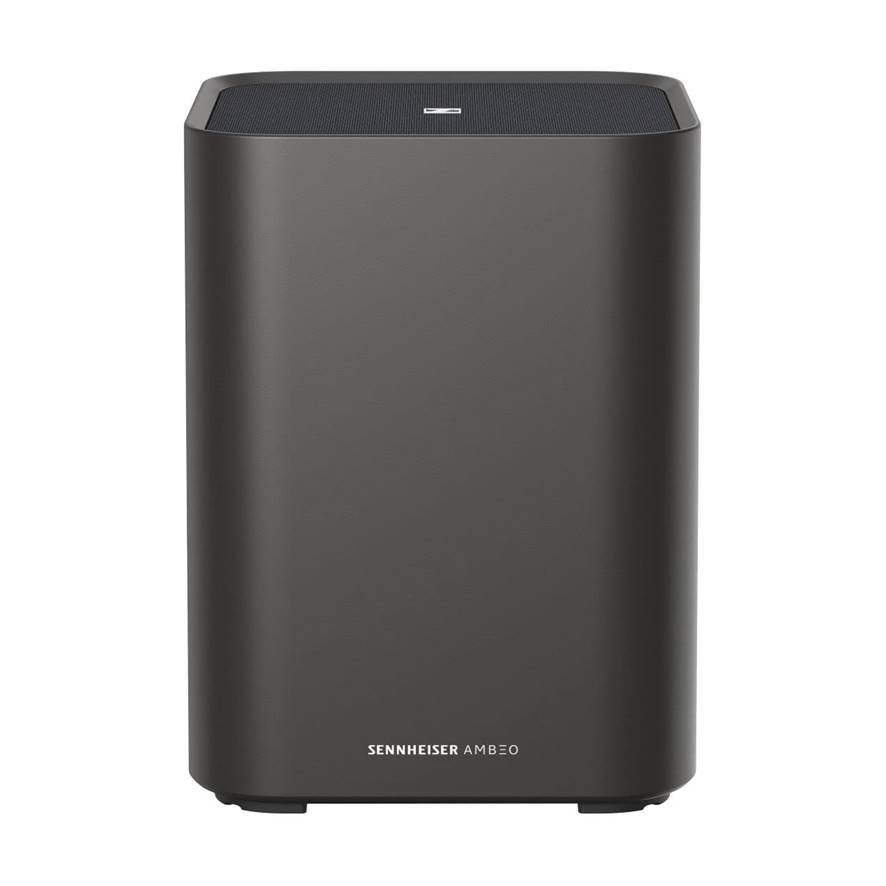
Bowers & Wilkins Formation Wedge vs Sennheiser Ambeo Sub
Advertisement
| Specification | ||
|---|---|---|
| Price | 85572.54 |
69990.00 |
| Brand | Bowers & Wilkins |
Sennheiser |
| Model No | Formation Wedge |
Ambeo Sub |
| Wired / Wireless | Wired Speaker |
Wired Speaker |
| Driver Type | Dynamic |
Dynamic |
| Driver Diameter | 50/330 mm |
1 X Long Throw 8" Cellulose Cone Driver, 1 X Class D Amplifier |
| Impedance | NA |
NA |
| Sensitivity | NA |
NA |
| Frequency Response | 35 Hz - 28 kHz |
27Hz – 80Khz |
| Maximum Power Input | 100V - 240V - 50/60Hz |
AC 100–240V ~50/60Hz |
| Maximum Power Output | 2 X 40 W ( RMS ) Tweeter 2 X 40 W ( RMS ) Midrange 1 X 80 W ( RMS ) Subwoofer |
350 W ( RMS ) |
| Signal to Noise Ratio | NA |
NA |
| Noise Cancelling | NA |
NA |
| Aux Connectivity | No |
Yes |
| Weight | 6.5 Kg |
8.2 Kg |
| Dimensions | 440 mm X 243 mm X 232 mm |
Subwoofer : 274 mm X 369 mm X 274 mm |
| Available Colors | Black |
Black |
| Accessories | Bowers & Wilkins Formation Wedge Speaker |
Sennheiser Ambeo Sub Power Cord Quick Guide Instruction Manual Safety Guide & Compliance Sheet |
| Other Features | 2-Year Warranty Valid from the date of purchase for powered loudspeakers. Wedge has more than enough power to fill the biggest room with hi-res sound. A graceful shape angles the array of two tweeters, two midrange drivers plus subwoofer to form a perfect stereo image. Technical Features - Apple AirPlay 2 Technology, Spotify Connect, Roon Ready, Bluetooth In, Digital Signal Processing, Digital Amplifier, Dynamic EQ. The Formation Wedge wireless speaker delivers room-filling audio from one stylishly shaped and finished speaker. Five precisely angled drivers provide true stereo sound, making Wedge the hi-res speaker that sounds even better than it looks. |
2 Year Warranty. Automated self-calibration learns the acoustics of your room. Intuitive Smart Control App with multiple audio and equalizer settings. Closed enclosure ensures audiophile-grade, deepest bass down to 27Hz. Immersive sound with 8†high-end proprietary woofer and 350W Class-D amplifier. State-of-the-Art -AMBEO- virtualization technology, co-developed with the Fraunhofer IIS Institute, delivers extremely deep bass. Advanced multi-sub array technology allows you to connect up to four subwoofers wirelessly and calibrate them individually for optimal sound. Wireless Connection : Advanced multi-sub array technology lets you connect up to 4 subwoofers wirelessly for a clean aesthetic and calibrate them individually for optimal sound. State-Of-The-Art Technology : For a particularly natural and realistic sound experience, the subwoofer delivers extremely deep bass supported by AMBEO virtualisation technology. Effortless Control : Operate the subwoofer via the intuitive Smart Control App, which offers multiple audio and equalizer settings. Enjoy a future-proof experience thanks to regular updates. Automated Self-Calibration : With its built-in far-field microphone, the subwoofer scans your room and studies its acoustics with extreme precision, creating a unique, immersive 3D sound experience. 3D Surround Sound With Thunderous Bass : An 8-inch high-end woofer paired with a 350W Class D amplifier and sealed enclosure delivers deep bass down to 27 Hz. Compatible with the Ambeo Soundbar family. |
Advertisement
Compare Bowers & Wilkins Formation Wedge with:
Compare Sennheiser Ambeo Sub with:
Top Differences
- Sound Output: 2W vs 350W
- Channels: 2 vs 350
- Bluetooth: na vs yes
- Bluetooth Version: 4.1 vs ( 5.2 )
- Frequency Response: 35 Hz - 28 kHz vs 27Hz – 80Khz
Advertisement