 ALERT
ALERT
| Specification | ||
|---|---|---|
| Price | Rs.17,500.00 |
Rs.16,999.00 |
| Brand | Bowers & Wilkins |
Skullcandy |
| Model No | PI3 |
Riff Wireless 2 |
| Wired / Wireless | Wireless Headphone Specification |
Wireless Headphone Specification |
| Headphone Type | In Ear |
On Ear |
| Magnet Type | Dynamic |
Dynamic |
| Driver Diameter | 9.2 mm |
40 mm |
| Impedance | 32 ohm |
32 Ohm |
| Sensitivity | NA |
94+/-3dB |
| Frequency Response | 10 Hz - 30000 kHz |
20 Hz - 20000 Hz |
| Maximum Power Input | 10 mW |
NA |
| Wireless / Bluetooth Details | ||
| Wireless Technology | Bluetooth |
Bluetooth |
| Bluetooth Version | 5.0 |
5.2 |
| Compatible Profiles | All Bluetooth Devices |
All Bluetooth Devices |
| Supported Codecs | A2DP, AVRCP, HFP, HSP, BLE GATT, AptX-Adaptive, AptX-HD AptX-Classic, AAC, SBC |
HSP, HFP, AVRCP, A2DP |
| Battery Type | Lithium Polymer Batteries |
Lithium Polymer Batteries |
| Bluetooth Range | 10 Meters |
10 Meters |
| Battery Life | 8 Hours |
34 Hours |
| Charging Time | < 2 Hours |
2 Hours |
| Noise Cancelling | Active |
NA |
| Available Colors | Blue, Grey, Gold |
Black |
| Connector Plating | NA |
3.5 mm AUX |
| Cable | USB-C Charging Cable |
USB Type-C Charging Cable |
| Weight | 31 gm |
153 Gm |
| Other Features | A measured feel. Hear and be heard. World-first fully active 2-way wireless earbuds. This is Bowers & Wilkins Dual Driver technology. No matter what you’re listening to, or watching, or playing, hear what you were meant to hear. If you stay out longer than expected and need a little more from your PI3 a 15 minute quick charge will carry your adventure for another two hours. |
Multipoint Pairing. 34 Hours of Battery Life. Call, Track and Volume Control. Built-In Tile Finding Technology. Advanced Features Through the Skullcandy App. Rapid Charge feature gives you an extra 4 hours of listening time from a quick, 10-minute charge. |
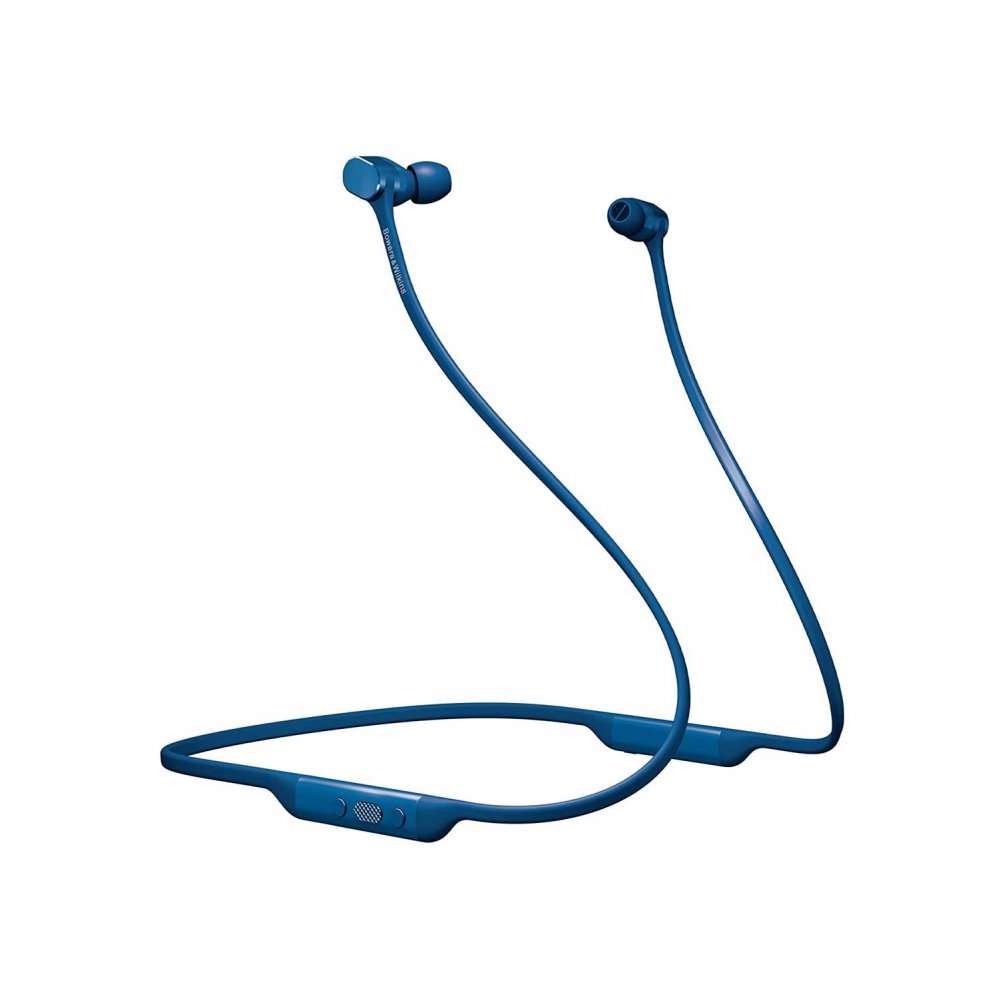
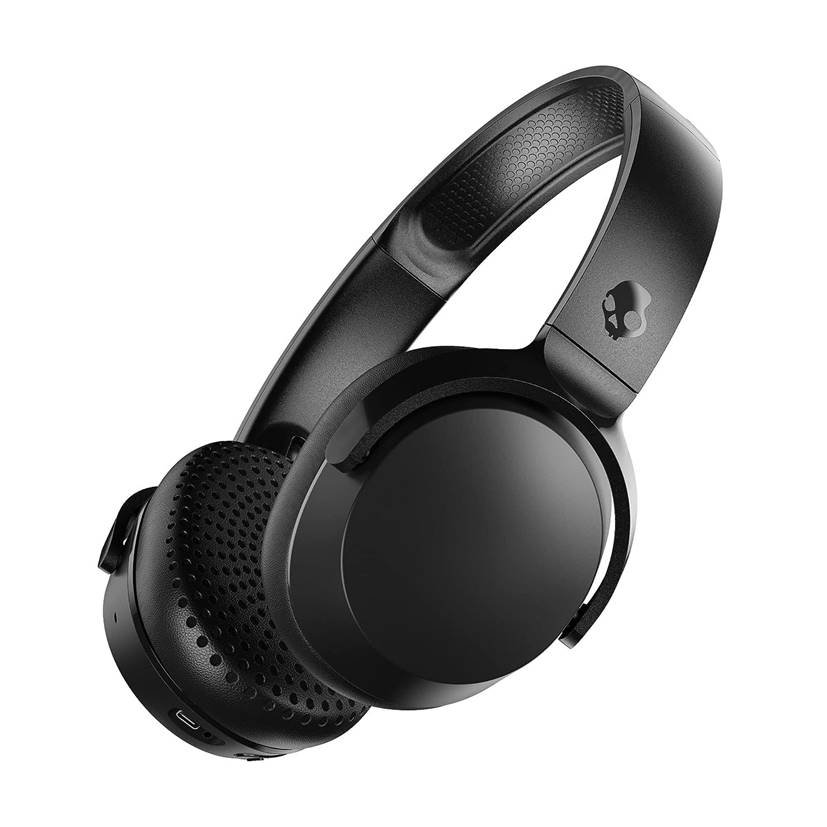
Compare Bowers & Wilkins PI3 with:
Compare Skullcandy Riff Wireless 2 with:
Top Differences
- Battery Life: 8 Hours vs 34 Hours
- Noise Cancelling: Active vs NA
- Driver Size: 9.2 mm vs 40 mm
- Bluetooth: 5.0 vs 5.2
- Weight: 31 gm vs 153 Gm