 ALERT
ALERT
Bowers & Wilkins PI4 vs Sony SRS-NS7
Advertisement
| Specification | ||
|---|---|---|
| Price | Rs.27,000.00 |
Rs.27,072.62 |
| Brand | Bowers & Wilkins |
Sony |
| Model No | PI4 |
SRS-NS7 |
| Wired / Wireless | Wireless Headphone Specification |
Wireless Headphone Specification |
| Headphone Type | In Ear |
Neckband |
| Magnet Type | Dynamic |
Neodymium |
| Driver Diameter | 14.2 mm |
32 X 33 mm |
| Impedance | 32 ohm |
NA |
| Sensitivity | NA |
NA |
| Frequency Response | 10 Hz - 30000 kHz |
20 Hz - 20000 Hz |
| Maximum Power Input | 10 mW |
DC 5 V 1.5 A |
| Wireless / Bluetooth Details | ||
| Wireless Technology | Bluetooth |
Bluetooth |
| Bluetooth Version | 5.0 |
5.0 |
| Compatible Profiles | All Bluetooth Devices |
All Bluetooth Devices |
| Supported Codecs | A2DP, AVRCP, HFP, HSP, BLE GATT, AptX-Adaptive, AptX-HD AptX-Classic, AAC, SBC |
SBC, AAC, LDAC, A2DP, AVRCP, HFP, HSP, SPP |
| Battery Type | Lithium Polymer Batteries |
Lithium-ion Batteries |
| Bluetooth Range | 10 Meters |
30 Meters |
| Battery Life | 12 Hours |
12 Hours |
| Charging Time | < 2 Hours |
4 Hours |
| Noise Cancelling | Adaptive |
Passive |
| Available Colors | Black, Grey, Gold |
Black |
| Connector Plating | NA |
NA |
| Cable | USB-C Charging Cable |
USB Type-C® Charging Cable |
| Weight | 40 gm |
318 Gm |
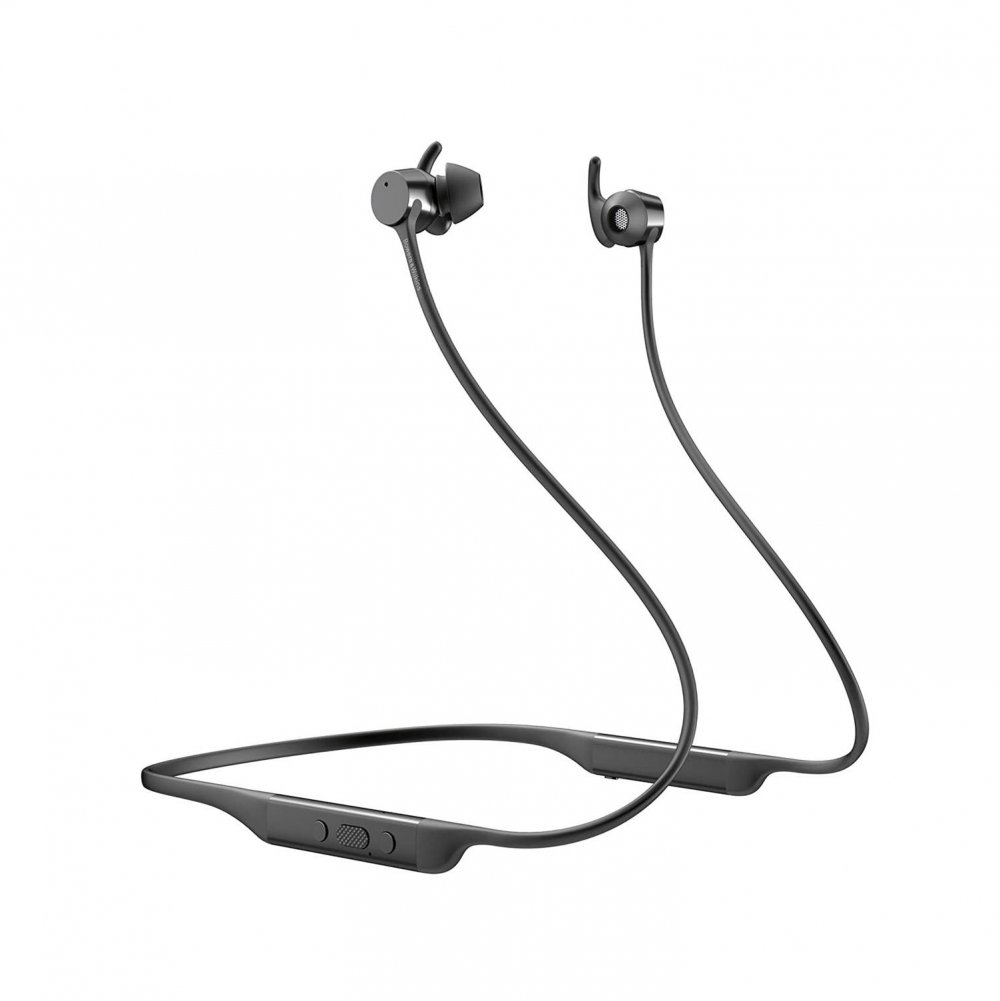
| Other Features | A measured feel. Fits like no other. Don’t miss a thing. Adaptive Noise Cancelling. World-first fully active 2-way wireless earbuds. This is Bowers & Wilkins Dual Driver technology. No matter what you’re listening to, or watching, or playing, hear what you were meant to hear. If you stay out longer than expected and need a little more from your PI4 a 15 minute quick charge will carry your adventure for another two hours. Soft silicone and rubber together make the PI4 feel specifically designed for how and where you listen. 12-hour battery life allows you to go from night to day without missing a beat. If that’s not enough, a 15-minute quick charge gets three hours of immediate playback. Customised 14mm drivers pack full sound in a small space. Designed by the same team behind our 800 Diamond Series speakers used in Abbey Road Studios, the drivers ensure you stay immersed in music wherever you go. |
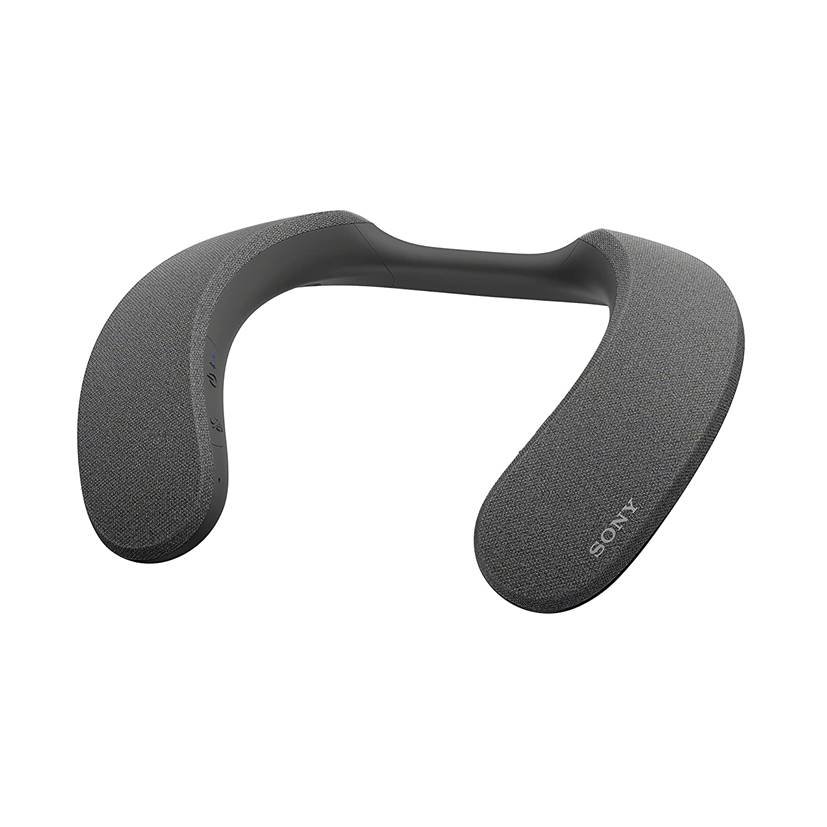
Hands-free calling. IPX4 splash-proof design. Silicone neckband and soft-feel rear. Enjoy wireless personalized home theater audio. Flexible and ergonomic form-fitting design for all-day wearing. Up to 12 hours of battery life, 10-minute Quick Charging for 1 hour of play time. Create your own personal home theater atmosphere using Sony’s 360 Spatial Sound Personalizer. Upward-facing X-balanced speaker unit provides an immersive listening experience without disturbing others. USB Type-C® Charging Cable360 Spatial Sound Personalizer creates Dolby Atmos® Cinematic surround sound. |
Advertisement
Compare Bowers & Wilkins PI4 with:
Compare Sony SRS-NS7 with:
Top Differences
- Noise Cancelling: Adaptive vs Passive
- Driver Size: 14.2 mm vs 32 X 33 mm
- Weight: 40 gm vs 318 Gm
- Impedance: 32 ohm Vs NA
Advertisement