 ALERT
ALERT
Advertisement
| Specification | ||
|---|---|---|
| Price | Rs.27,000.00 |
Rs.28,141.00 |
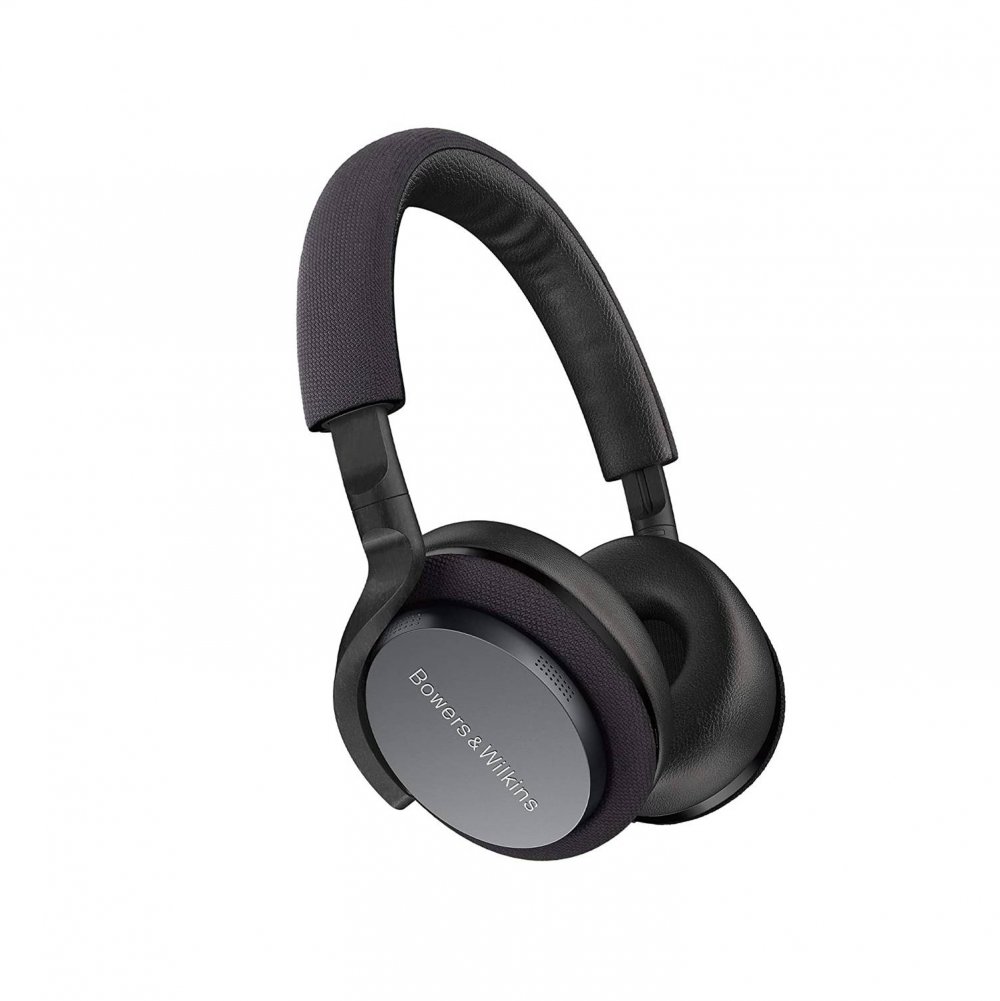
| Brand | Bowers & Wilkins |
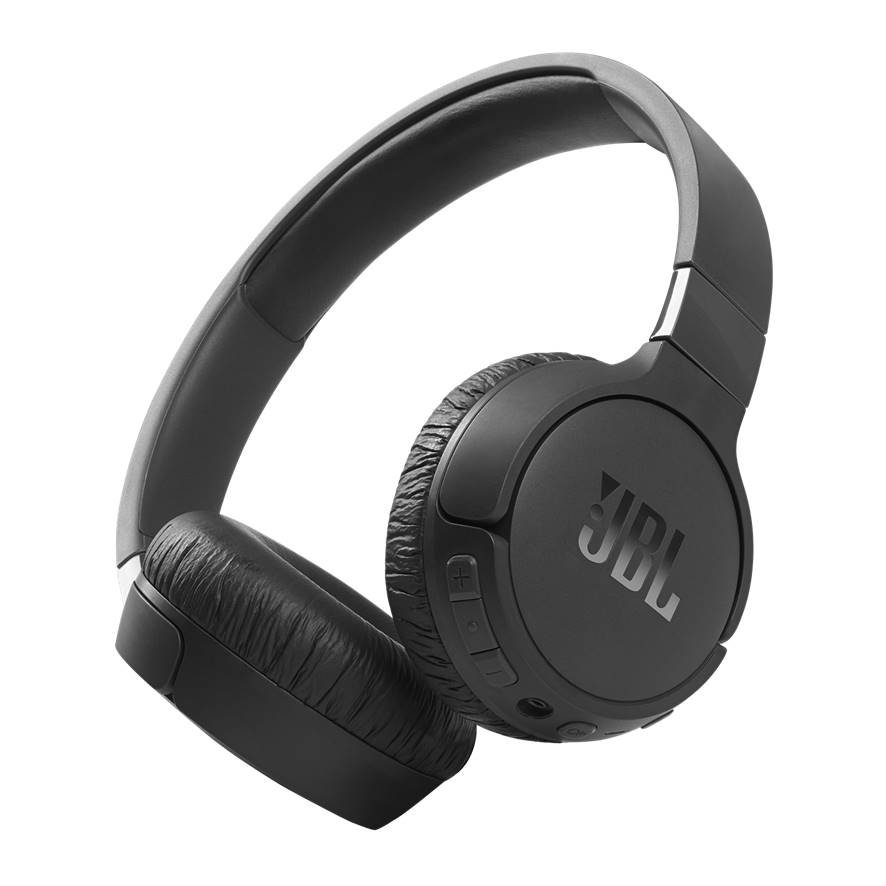
JBL |
| Model No | PX5 |
Tune 660NC |
| Wired / Wireless | Wireless Headphone Specification |
Wireless Headphone Specification |
| Headphone Type | Over Ear |
On Ear |
| Magnet Type | Dynamic |
Dynamic |
| Driver Diameter | 35 mm |
32 mm |
| Impedance | 20 ohm |
32 Ohms |
| Sensitivity | NA |
100dB SPL@ 1kHz 1mW |
| Frequency Response | 10 Hz - 30000 kHz |
20 Hz - 20KHz |
| Maximum Power Input | 10 mW |
5V 1A |
| Wireless / Bluetooth Details | ||
| Wireless Technology | Bluetooth |
Bluetooth |
| Bluetooth Version | 5.0 |
5.0 |
| Compatible Profiles | All Bluetooth Devices |
All Bluetooth Devices |
| Supported Codecs | A2DP, AVRCP, HFP, HSP, BLE GATT, AptX-Adaptive, AptX-HD AptX-Classic, AAC, SBC |
AAC, SBC |
| Battery Type | Lithium Polymer Batteries |
Lithium-Ion Polymer Batteries |
| Bluetooth Range | 10 Meters |
10 Meters |
| Battery Life | 25 Hours |
55 Hours |
| Charging Time | < 2 Hours |
<2 Hours |
| Noise Cancelling | Adaptive |
Active Noise Cancelling |
| Available Colors | Blue, Grey |
Black, White, Blue, Pink |
| Connector Plating | 3.5 mm Aux Cable |
3.5 mm Jack |
| Cable | USB-C Charging Cable |
USB Type-C Charging Cable |
| Weight | 241 gm |
166 GM |
| Other Features | These sleek, on-ear headphones keep out the world so you can live fully in yours. Experience world-class sound with the latest adaptive noise cancellation technology. The PX5 is light and compact while delivering sound quality built on Bowers & Wilkins’ exacting standards. One battery charge for just over a full day of music. If you need more power, a 15-minute quick charge provides five hours of audio playback. The PX5 obeys your every move. Lift an earcup to hear what’s happening around you and the music automatically stops. Put it back and the music plays on. From the bustle of the city to the drone of an aeroplane, adaptive noise cancellation automatically shields you from the outside world so you can hear more of the music that matters. The woven carbon fibre composite arms of PX5 share design principles with the world's most advanced sports cars. Light, stiff and ultra-durable, take True Sound anywhere with these compact noise-cancelling headphones. |
JBL Pure Bass Sound. Up To 44 hours of Battery Life with ANC ON. Up To 55 hours of Battery Life with ANC OFF. Keep the noise out and enjoy your music with active noise cancellation. The tune 660nc wireless headphones feature renowned jbl pure bass sound, which can be found in the most famous venues all around the world. With wireless bluetooth 50 streaming, you can stream wirelessly from your device and even switch between two devices so that you don't miss a call. Easily control your sound and manage your calls from your headphones with the convenient buttons and the mic on the ear-cup or use the ear-cup button to quickly reach your device's voice assistant. Listen wirelessly for 44 hours with active noise cancelling for long-lasting fun or for up to 55 hours with Bluetooth only get 2 hours extra with just a 5-minute charge using the convenient USB type-c cable enjoy endlessly in wired mode, using the detachable cable provided. |
Advertisement
Compare Bowers & Wilkins PX5 with:
Compare JBL Tune 660NC with:
Top Differences
- Battery Life: 25 Hours vs 55 Hours
- Noise Cancelling: Adaptive vs Active Noise Cancelling
- Driver Size: 35 mm vs 32 mm
- Weight: 241 gm vs 166 GM
- Impedance: 20 ohm Vs 32 Ohms
Advertisement