 ALERT
ALERT
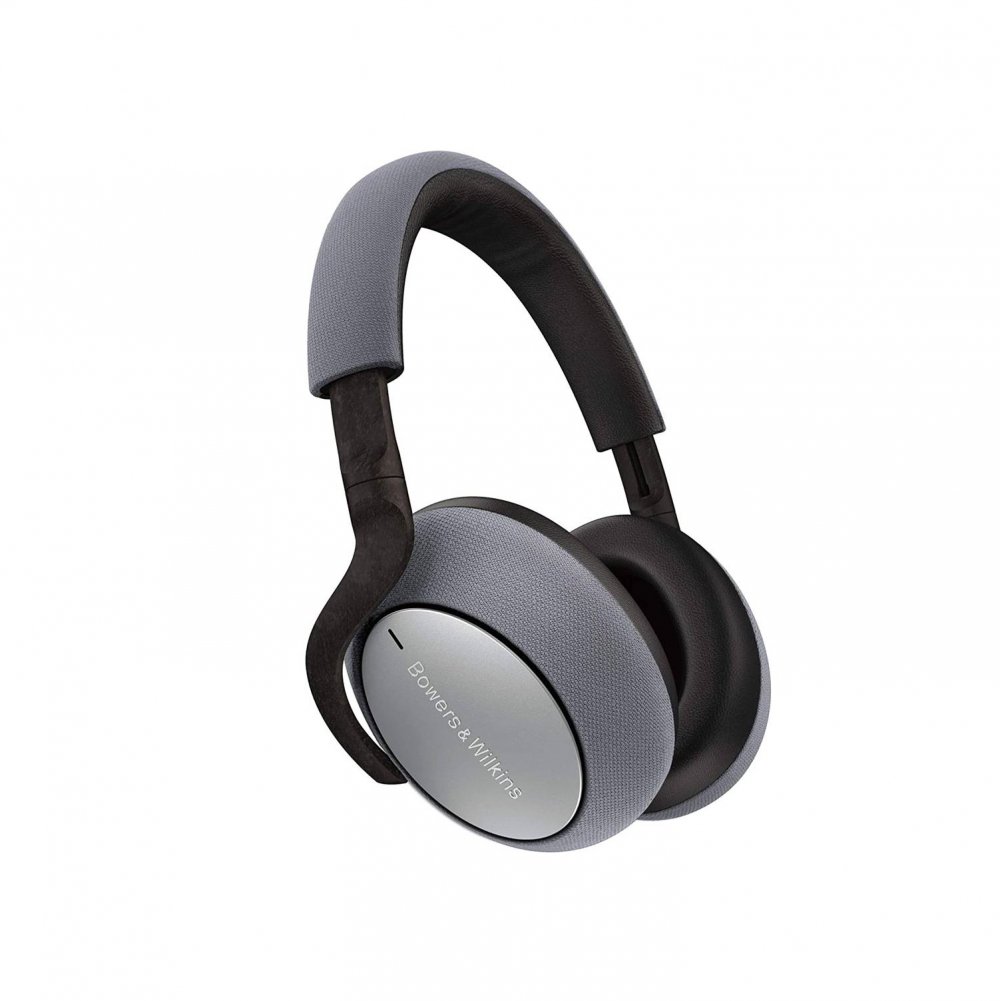
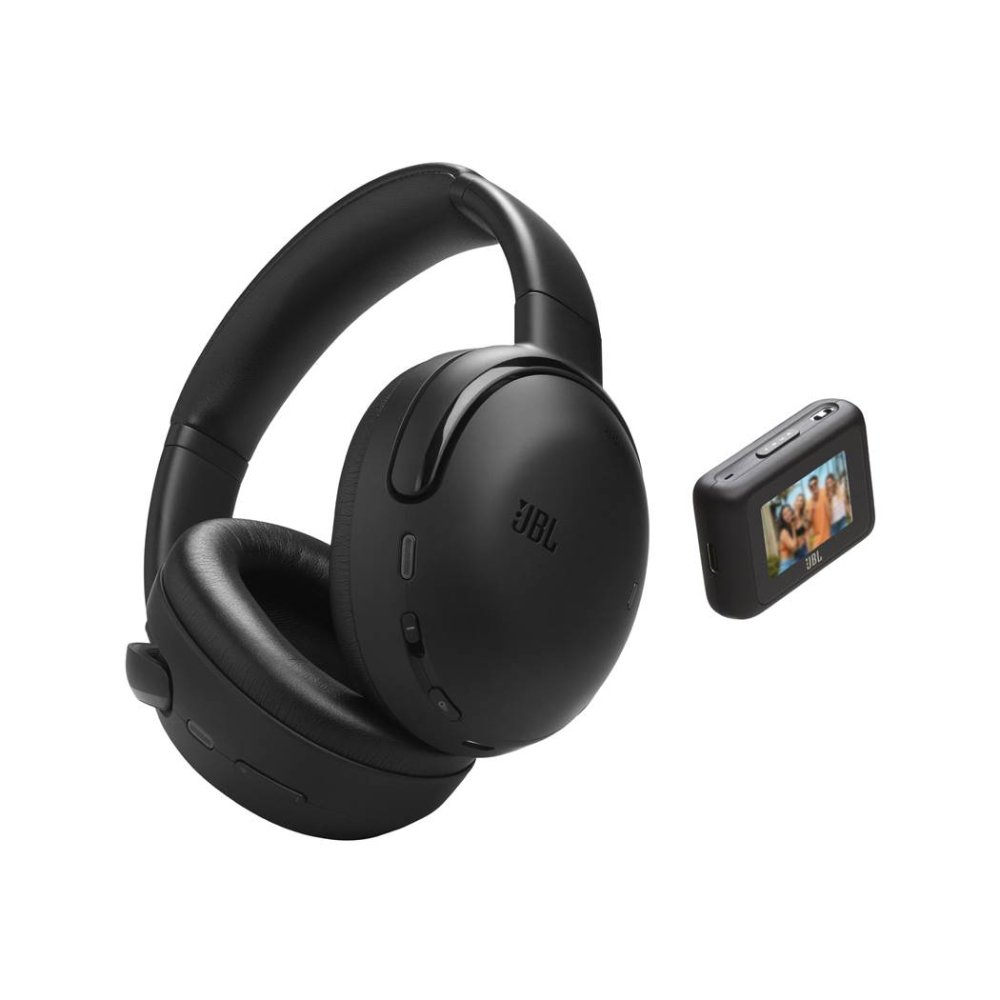
Bowers & Wilkins PX7 vs JBL Tour One M3 Smart TX
Advertisement
| Specification | ||
|---|---|---|
| Price | Rs.49,999.00 |
Rs.39,999.00 |
| Brand | Bowers & Wilkins |
JBL |
| Model No | PX7 |
Tour One M3 Smart TX |
| Wired / Wireless | Wireless Headphone Specification |
Wireless Headphone Specification |
| Headphone Type | Over Ear |
Over Ear |
| Magnet Type | Dynamic |
Dynamic |
| Driver Diameter | 43.6 mm |
40 mm |
| Impedance | 20 ohm |
18 Ohms |
| Sensitivity | NA |
122 dB SPL@1 kHz |
| Frequency Response | 10 Hz - 30000 kHz |
10 Hz - 40KHz |
| Maximum Power Input | 10 mW |
5 V⎓1 A |
| Wireless / Bluetooth Details | ||
| Wireless Technology | Bluetooth |
Bluetooth |
| Bluetooth Version | 5.0 |
5.3 |
| Compatible Profiles | All Bluetooth Devices |
All Bluetooth Devices |
| Supported Codecs | A2DP, AVRCP, HFP, HSP, BLE GATT, AptX-Adaptive, AptX-HD AptX-Classic, AAC, SBC |
SBC, AAC, LC3, LDAC |
| Battery Type | Lithium Polymer Batteries |
Lithium-Ion Batteries |
| Bluetooth Range | 10 Meters |
10 Meters |
| Battery Life | 30 Hours |
70 Hours |
| Charging Time | < 2 Hours |
2 Hours |
| Noise Cancelling | Adaptive |
True Adaptive Noise Canceling 2.0 |
| Available Colors | Black, Grey |
Black, Blue, Gold |
| Connector Plating | 3.5 mm Aux Cable |
3.5mm Audio Jack |
| Cable | USB-C Charging Cable |
USB Type-C To Type C Cable |
| Weight | 310 gm |
278 GM |
| Other Features | Wherever you go, experience music at its highest level. No matter where you are, powerful drivers and adaptive noise cancelling put you in the centre of the music. Adaptive noise cancelling that automatically responds to your environment, keeping the outside world out of the music. The PX7 obeys your every move. Lift an ear cup to hear what’s happening around you and the music automatically stops. Put it back and the music plays on. The woven carbon fibre composite arms of the PX7 mimic the strength and agility of the fastest vehicles in the world, channeling pure sound to you and holding up against everyday wear and tear. Throw them in your bag and get ready to jump into sound. You can do a lot in 30 hours. Fly from San Francisco to London and back, with time to spare. See every band at the festival, twice. Listen uninterrupted on a single battery charge. And if that’s not enough, a 15-minute quick charge gets you five more hours. |
Talk time with ANC Off : Up To 38 Hrs. Talk time with ANC On : Up To 34 Hrs. Music playtime with BT On & ANC Off : Up To 70 Hrs. Music playtime with BT On & ANC On : Up To 40 Hrs. Full featured app customized to your listening and using behaviors. Personi-Fi 3.0 - Create your personalized listening profile in the app. 8-Mic True Adaptive Noise Cancelling 2.0 With Realtime Adjustments. JBL Spatial 360 Sound With Headtracking for Live Concert Experience. Built In Auracast TRANSMITTER helps to broadcast to any Auracast compatible device. Enjoy high-fidelity lossless audio over USB-C and analog 3.5mm when listening to supported lossless content. Hi-RES Wireless Audio Certified Legendary JBL Pro Sound : Powerful drivers delivering LEGENDARY JBL PRO SOUND WITH LDAC. Seamlessly Smart Ambient : Amplify sounds depending on where you are, or automatically pauses the music and enables ambient noises just by being recognized your voice. JBL Smart Transmitter With Touch Display For Universal Connectivity : Full control from any device without the app, connect to virtually any audio source & share audio WITH Auracast |
Advertisement
Compare Bowers & Wilkins PX7 with:
Compare JBL Tour One M3 Smart TX with:
Top Differences
- Battery Life: 30 Hours vs 70 Hours
- Noise Cancelling: Adaptive vs True Adaptive Noise Canceling 2.0
- Driver Size: 43.6 mm vs 40 mm
- Bluetooth: 5.0 vs 5.3
- Weight: 310 gm vs 278 GM
Advertisement