 ALERT
ALERT
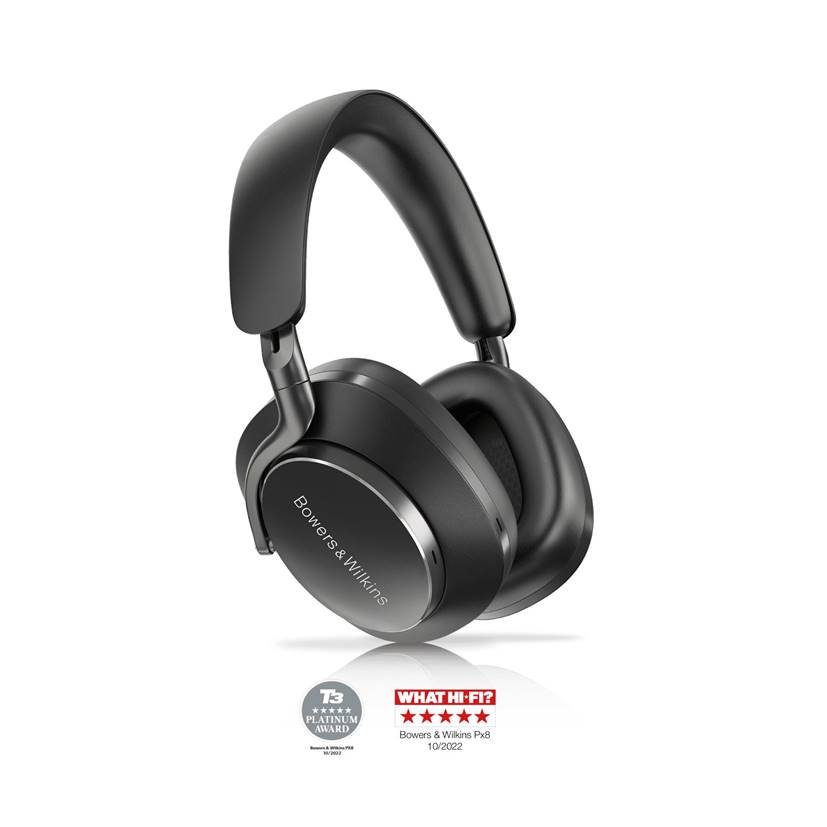
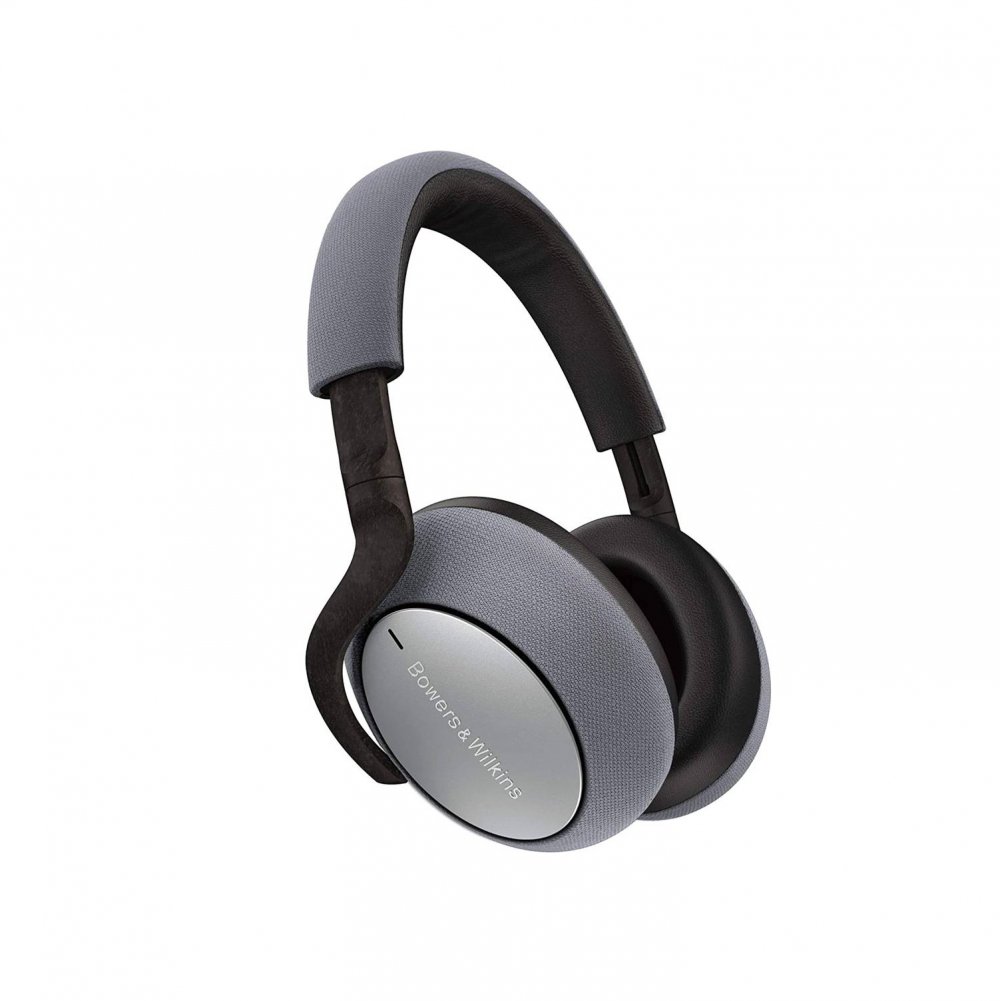
Bowers & Wilkins PX8 vs Bowers & Wilkins PX7
Best For
The Bowers & Wilkins PX7 and PX8 are premium wireless over-ear headphones aimed at listeners who want strong sound quality, active noise cancellation and long battery life. Both offer 30 hours of playback, Bluetooth connectivity, aptX Adaptive support and convenient wear-detection features. The PX8 moves upmarket with 40mm carbon cone drivers, Bluetooth 5.2, hybrid noise cancellation and advanced DSP for high-resolution audio. The PX7 counters with larger 43.6mm drivers, adaptive noise cancellation and a slightly lighter 310g design. For most buyers seeking the more advanced overall package, the PX8 is the stronger choice, while the PX7 remains an attractive option for value-conscious listeners.
Verdict
The Bowers & Wilkins PX8 is the better choice for buyers who prioritize premium sound, advanced processing and newer wireless technology. Its carbon cone drivers, Bluetooth 5.2, hybrid noise cancellation and 24-bit high-resolution audio support give it an edge over the PX7. The PX7 is still worth considering if you want a lighter design, larger drivers and adaptive ANC while keeping similar 30-hour battery life. For overall performance, PX8 wins; for value, PX7 is the more practical pick.
| Specification | ||
|---|---|---|
| Price | Rs.57,536.68 |
Rs.49,999.00 |
| Brand | Bowers & Wilkins |
Bowers & Wilkins |
| Model No | PX8 |
PX7 |
| Wired / Wireless | Wireless Headphone Specification |
Wireless Headphone Specification |
| Headphone Type | Over Ear |
Over Ear |
| Magnet Type | Dynamic |
Dynamic |
| Driver Diameter | 40 mm |
43.6 mm |
| Impedance | 33 ohm |
20 ohm |
| Sensitivity | NA |
NA |
| Frequency Response | 10 Hz - 30000 kHz |
10 Hz - 30000 kHz |
| Maximum Power Input | 10 mW |
10 mW |
| Wireless / Bluetooth Details | ||
| Wireless Technology | Bluetooth |
Bluetooth |
| Bluetooth Version | 5.2 |
5.0 |
| Compatible Profiles | All Bluetooth Devices |
All Bluetooth Devices |
| Supported Codecs | A2DP, AVRCP, HFP, HSP, BLE GATT, AptX-Adaptive, AptX-HD AptX-Classic, AAC, SBC |
A2DP, AVRCP, HFP, HSP, BLE GATT, AptX-Adaptive, AptX-HD AptX-Classic, AAC, SBC |
| Battery Type | Lithium-Ion Polymer Batteries |
Lithium Polymer Batteries |
| Bluetooth Range | 10 Meters |
10 Meters |
| Battery Life | 30 Hours |
30 Hours |
| Charging Time | 2 Hours |
< 2 Hours |
| Noise Cancelling | HNC / ANC |
Adaptive |
| Available Colors | Black, Gold |
Black, Grey |
| Connector Plating | 3.5 mm Stereo Jack Audio Cable |
3.5 mm Aux Cable |
| Cable | USB Type-C Charging Cable |
USB-C Charging Cable |
| Weight | 320 gm |
310 gm |
| Other Features | Comfort, for longer. Angled Carbon Cones. Ambient Pass-Through. Wear-Detection Sensor. Hybrid Noise Cancellation. A new reference in headphones. Cancel the noise, not your music. 15 min charge for 7 hours battery life. Over-ear noise cancelling headphones. High-resolution sound with advanced DSP. 40mm dynamic full range custom carbon driver. Microphone - 4 X Mics For ANC. 2 X Mics For Telephony. Px8 uses aptXâ„¢ Adaptive wireless technology and powerful Digital Signal Processing to ensure outstanding 24-bit high-resolution sound quality from suitable streaming services. |
Wherever you go, experience music at its highest level. No matter where you are, powerful drivers and adaptive noise cancelling put you in the centre of the music. Adaptive noise cancelling that automatically responds to your environment, keeping the outside world out of the music. The PX7 obeys your every move. Lift an ear cup to hear what’s happening around you and the music automatically stops. Put it back and the music plays on. The woven carbon fibre composite arms of the PX7 mimic the strength and agility of the fastest vehicles in the world, channeling pure sound to you and holding up against everyday wear and tear. Throw them in your bag and get ready to jump into sound. You can do a lot in 30 hours. Fly from San Francisco to London and back, with time to spare. See every band at the festival, twice. Listen uninterrupted on a single battery charge. And if that’s not enough, a 15-minute quick charge gets you five more hours. |
Compare Bowers & Wilkins PX8 with:
Compare Bowers & Wilkins PX7 with:
Frequently Asked Questions
Top Differences
- Noise Cancelling: Adaptive vs HNC / ANC
- Driver Size: 43.6 mm vs 40 mm
- Bluetooth: 5.0 vs 5.2
- Weight: 310 gm vs 320 gm
- Impedance: 20 ohm Vs 33 ohm