 ALERT
ALERT
Cellecor BT-4 vs Unix UX-M15 Best
Advertisement
| Specification | ||
|---|---|---|
| Price | Rs.799.00 |
Rs.799.00 |
| Brand | Cellecor |
Unix |
| Model No | BT-4 |
UX-M15 Best |
| Wired / Wireless | Wireless Headphone Specification |
Wireless Headphone Specification |
| Headphone Type | Neckband |
Neckband |
| Magnet Type | Neodymium |
Dynamic |
| Driver Diameter | 10 mm |
18 mm |
| Impedance | NA |
30 Ohms |
| Sensitivity | NA |
NA |
| Frequency Response | NA |
20Hz - 20KHz |
| Maximum Power Input | 5 V DC |
DC 5V |
| Wireless / Bluetooth Details | ||
| Wireless Technology | Bluetooth |
Bluetooth |
| Bluetooth Version | 5.0 |
5.2 |
| Compatible Profiles | All Bluetooth Devices |
All Bluetooth Devices |
| Supported Codecs | NA |
SBC, AAC |
| Battery Type | Lithium-Ion Batteries |
Lithium-Ion Batteries |
| Bluetooth Range | 10 Meters |
10 Meters |
| Battery Life | 30 Hours |
28 Hours |
| Charging Time | 2 Hours |
1 Hours |
| Noise Cancelling | ANC |
Active Noise Cancelling |
| Available Colors | Black, Blue, Green |
Black, White, Blue, Green |
| Connector Plating | NA |
No |
| Cable | Micro USB Charging Cable |
USB Type-C Charging Cable |
| Weight | 100 Gm |
100 GM |
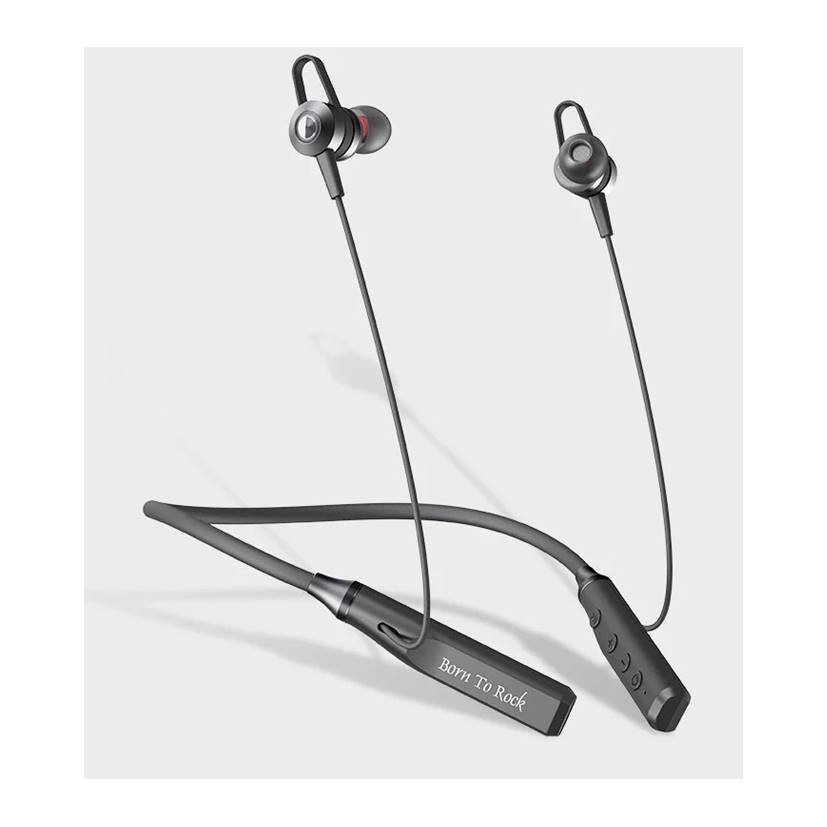
| Other Features | The wireless neckband has advanced Bluetooth V5.0, Which Makes an instant connection to your media hassle-free. IPX4 Waterproof : A waterproof casing protects BT-4 neckband Bluetooth headphones against rain, water, sweat, splash and more. The Cellecor wireless neckband offers a total playtime of up to 30 hours on a single charge and Charge for Only 10 minutes And Get a playtime of 2 hours. BT-4 Neckband built-in high sensitivity microphone and noise canceling technology, ensure crystal high quality sound no mater you are calling or listening to music. With flexible neckband and Magnetic earbuds, BT-4 Neckband is very comfortable to wear around your neck, and ensure a snug fit on your shoulders and superior shape retention. |
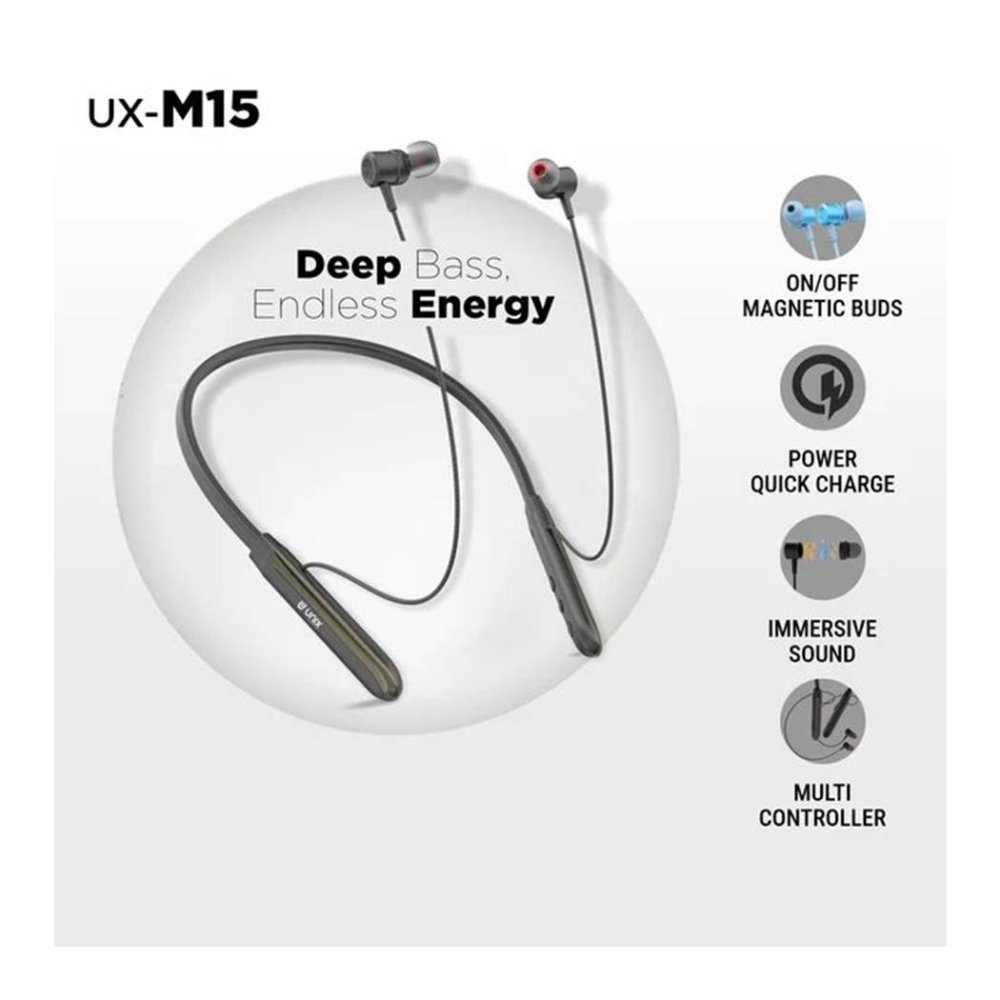
Long Lasting Battery Life. Excellent Comfortable fit. Hands-free calls & Sweatproof. BIS Approved With 6-Month Warranty : Comes with certified quality and a 6-month risk-free warranty for peace of mind. HD Sound Quality & Hands-Free Calls : Crystal-clear audio and built-in mic ensure a superior calling and music experience. Long Battery Life : Enjoy up to 28 hours of non-stop music and an incredible 2100 hours of standby time, perfect for daily use. Sweatproof & Comfortable Fit : Lightweight and ergonomically designed for comfort during workouts, travel, or long listening sessions. Power Quick Charge Support : Just 1-minute of charging gives up to 100 minutes of battery backup, so you're never caught without music. |
Advertisement
Compare Cellecor BT-4 with:
Compare Unix UX-M15 Best with:
Top Differences
- Battery Life: 30 Hours vs 28 Hours
- Driver Size: 10 mm vs 18 mm
- Bluetooth: 5.0 vs 5.2
- Impedance: NA Vs 30 Ohms
Advertisement