 ALERT
ALERT
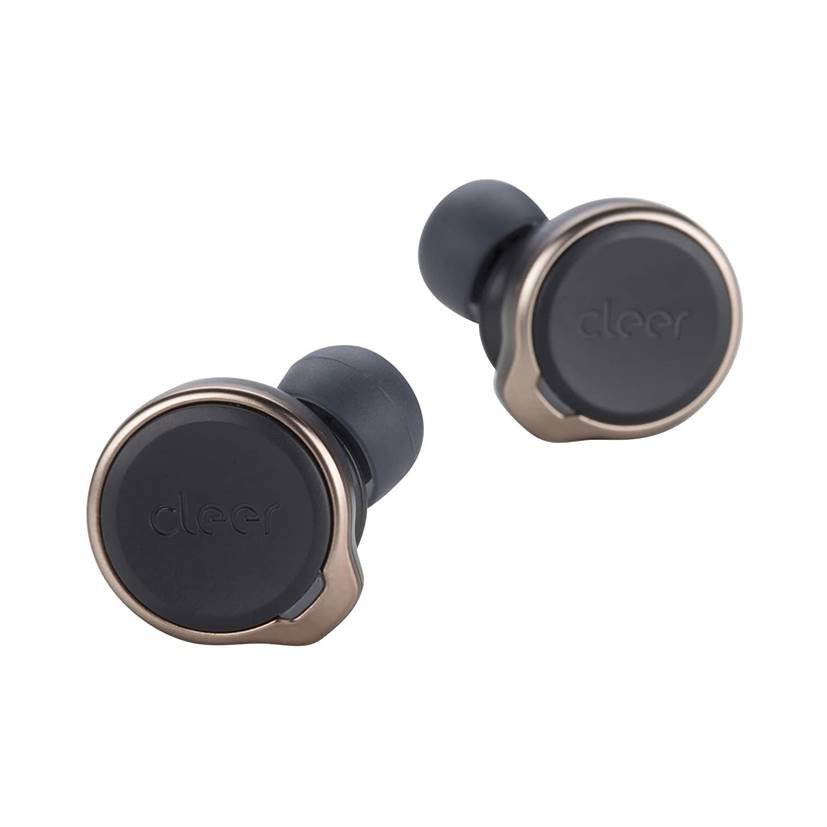
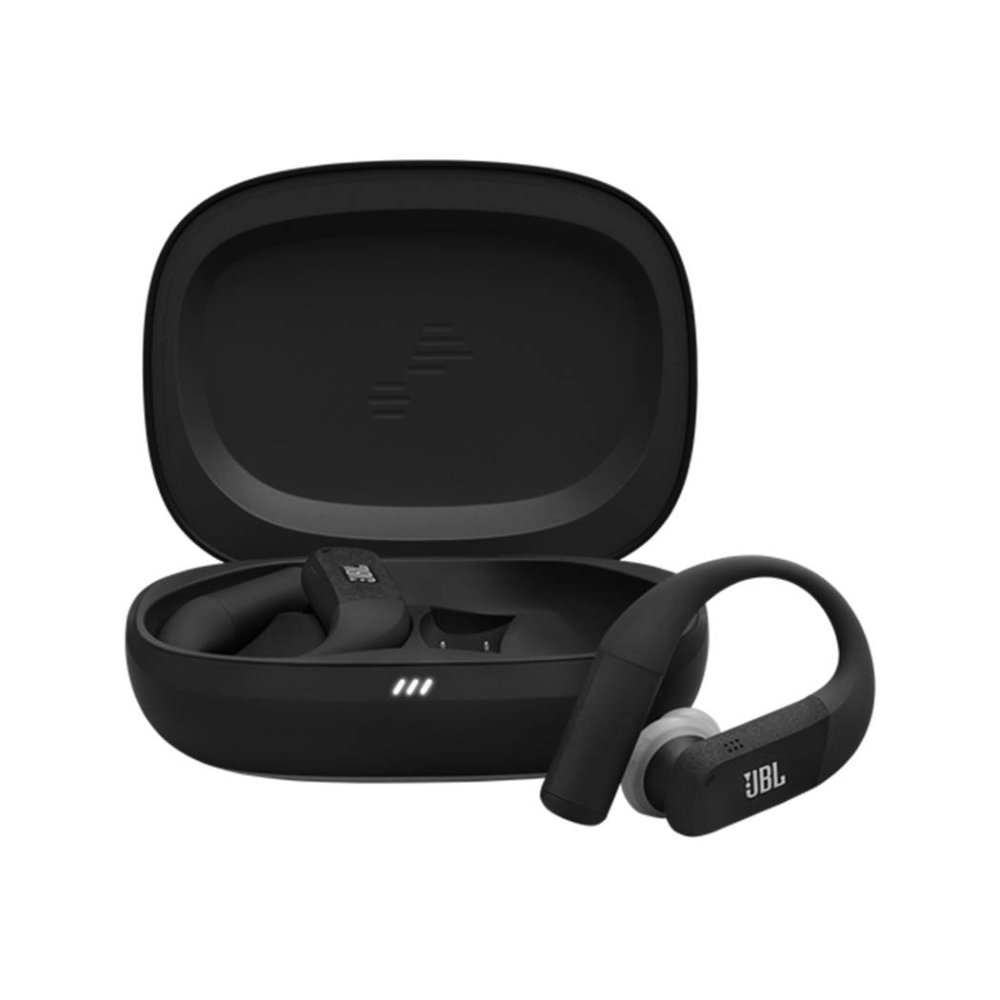
Cleer Audio ALLY PLUS vs JBL Endurance Peak 4
Advertisement
| Specification | ||
|---|---|---|
| Price | Rs.12,300.61 |
Rs.12,208.83 |
| Brand | Cleer Audio |
JBL |
| Model No | ALLY PLUS |
Endurance Peak 4 |
| Wired / Wireless | Wireless Headphone Specification |
Wireless Headphone Specification |
| Headphone Type | In Ear Canal |
In Ear |
| Magnet Type | Neodymium Dynamic |
Dynamic |
| Driver Diameter | 10 mm |
10 mm |
| Impedance | NA |
16 Ohms |
| Sensitivity | NA |
108 dB SPL@1 kHz |
| Frequency Response | 20 Hz - 20000 Hz |
20 Hz - 20KHz |
| Maximum Power Input | NA |
5V⎓1A |
| Wireless / Bluetooth Details | ||
| Wireless Technology | Bluetooth |
Bluetooth |
| Bluetooth Version | 5.0 |
5.4 |
| Compatible Profiles | All Bluetooth Devices |
All Bluetooth Devices |
| Supported Codecs | A2DP, AVRCP, HFP, HSP, SBC, aptX Adaptive |
AAC, SBC |
| Battery Type | Lithium-Ion Batteries |
Lithium-Ion Batteries |
| Bluetooth Range | 10 Meters |
10 Meters |
| Battery Life | 20 Hours |
48 Hours |
| Charging Time | 2 Hours |
4 Hours |
| Noise Cancelling | ADNC |
Adaptive Noise Canceling |
| Available Colors | Grey, Gold |
Black, White, Blue, Orange, Purple |
| Connector Plating | NA |
NA |
| Cable | USB Type-C Charging Cable |
USB Type-C Charging Cable |
| Weight | 79.6 Gm |
101.5 GM |
| Other Features | Swipe control for volume. 10mm Neodymium drivers. Adaptable Digital Noise Cancellation. Sound Personalization via Cleer+ App. Industry leading 10 hours battery life* IPX4 water resistance certified ( Earbuds Only ). Seamless design with ergonomic fitting earbuds design. Latest beamforming technology for enhanced call quality. Mimi Hearing Health Sound Personalization via Cleer+ App. Up to 10 hrs per earbud, Up to 20 adtl. hrs with charging case. 5 min charge provides 1hours less than 2 hours for full charge. * 10 hours of battery life with noise cancelling off at 75% volume. Included slim carrying case provides additional 20 hours of playback. |
Talk time with BT on and ANC Off : Up To 6 Hrs. Talk time with BT on and ANC On : Up To 5 Hrs. Music playtime with BT on and ANC On : Up To 8 Hrs. Music playtime with BT on and ANC Off : Up To 12 Hrs. Secure Fit With TwistLock Design : You might even forget you're wearing them. JBL OvalTubes with TwistLock stay in your ears all day without discomfort. The liquid silicone ear hook with memory wire is comfortable and adaptable to different sizes. IP68 Water & Dust Proof : Sweat, rain, salt water, and sand? Sounds like a great time. JBL Endurance Peak 4 earbuds carry an IP68 waterproof and dustproof rating, so they can withstand it all. Not to mention high temperatures, high humidity, or long-distance drops. JBL Pure Bass With Spatial Sound : Enjoy rich, clear JBL Pure Bass sound from our 10mm dynamic driver, delivering powerful stereo sound with deep bass for an immersive audio experience. Customize your sound to the way you are with Personi-fi 3.0. Take a quick earing test and adapt your audio to your personal features. Adaptive Noise Cancelling With Smart Ambient : Enjoy the soundtrack of your life. Four noise-sensing mics minimize distractions and maximize audio quality, while Smart Ambient keeps you fully aware of your surroundings and helps you talk with the people around you without taking out your headphones. Use the JBL Headphones app to set your custom levels. 6 Mics For Perfect Calls : Three mics per ear effectively capture your voice while suppressing noise from other sources. Meanwhile, the beamforming algorithm minimizes unwanted ambient noise, making your authentic voice more intelligible. The windproof design significantly reduces distortion from air friction and gives you a crystal-clear call experience even in the middle of an outdoor run on a breezy day. |
Advertisement
Compare Cleer Audio ALLY PLUS with:
Compare JBL Endurance Peak 4 with:
Top Differences
- Battery Life: 20 Hours vs 48 Hours
- Noise Cancelling: ADNC vs Adaptive Noise Canceling
- Bluetooth: 5.0 vs 5.4
- Weight: 79.6 Gm vs 101.5 GM
- Impedance: NA Vs 16 Ohms
Advertisement