 ALERT
ALERT
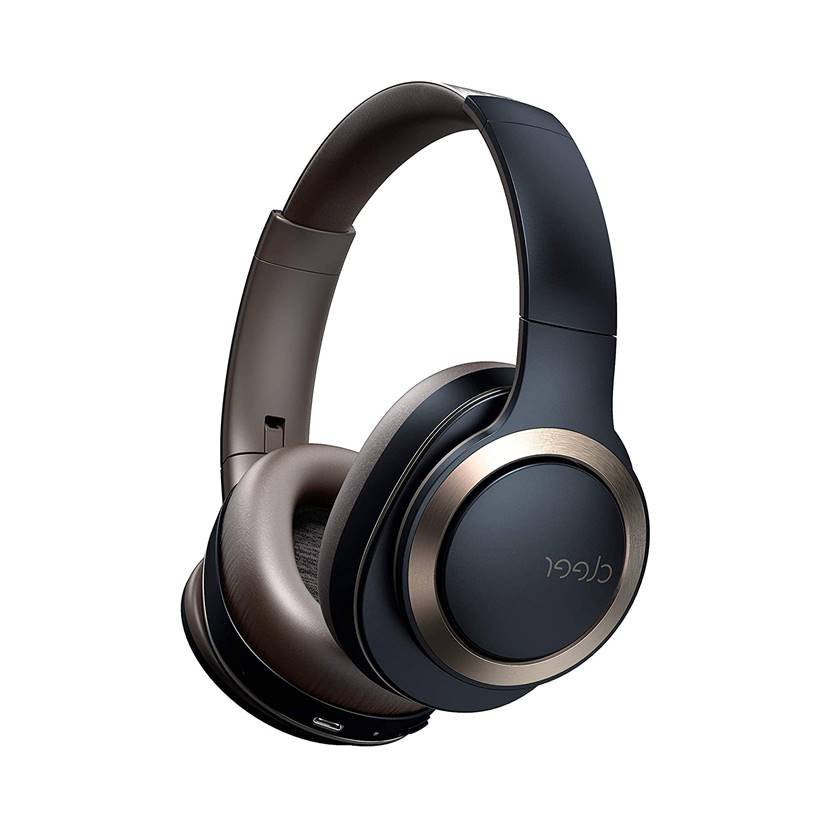
Cleer Audio ENDURO ANC vs Sony MDR-XB950BT
Advertisement
| Specification | ||
|---|---|---|
| Price | Rs.10,660.42 |
Rs.10,500.00 |
| Brand | Cleer Audio |
Sony |
| Model No | ENDURO ANC |
MDR-XB950BT |
| Wired / Wireless | Wireless Headphone Specification |
Wireless Headphone Specification |
| Headphone Type | Over Ear |
Over Ear |
| Magnet Type | Neodymium IronlessTM |
Neodymium |
| Driver Diameter | 40 mm |
40 mm Dyna |
| Impedance | NA |
24 Ohms |
| Sensitivity | NA |
102 dB/mW |
| Frequency Response | 20 Hz - 40000 Hz |
3 Hz - 28,000 Hz |
| Maximum Power Input | 3.7 V |
NA |
| Wireless / Bluetooth Details | ||
| Wireless Technology | Bluetooth |
Bluetooth |
| Bluetooth Version | 5.0 |
Ver.3.0 |
| Compatible Profiles | All Bluetooth Devices |
A2DP, AVRCP, HFP, HSP |
| Supported Codecs | A2DP, AVRCP, HFP, HSP, SBC, aptX Adaptive |
SBC, AAC, aptX |
| Battery Type | Lithium-Ion Batteries |
Lithium-ion rechargeable battery |
| Bluetooth Range | 10 Meters |
Approx. 30ft (10m) |
| Battery Life | 60 Hours |
20 Hrs |
| Charging Time | 3 Hours |
4 Hrs |
| Noise Cancelling | ANC |
NA |
| Available Colors | White, Grey |
Black, Red, Grey |
| Connector Plating | 3.5 mm |
3.5 mm Gold Plated Jack |
| Cable | Charging Cable USB-C To USB-A |
1.2 m |
| Weight | 280 Gm |
280 g |
| Other Features | Conversation Mode. Ambient Sound Control. Active Noise Cancellation. Sound Personalization via Cleer+ App. Multipoint Connectivity & Enhanced Call Quality. A 10-minute quick charge provides 2 hours of playback. Extended battery life provides up to 60 hours of playback from a single charge with noise cancellation and Bluetooth enabled. 40mm patented Ironless Drivers™ produce bold and articulate Hi-Res sound. Bluetooth® 5.0 with AptX™ Adaptive high-quality music streaming. |
- Crafted with the mind to provide Extraordinaire Bassist - Works even when battery is depleted (passive operation) - Hands-free calls with built-in microphone - Comfortable, ergonomic ear pads Microphone Features - Unit/Type : Electret Condenser - Directivity : Omni directional - Effective Frequency of Microphone : 100 Hz - 4,000 Hz Bluetooth Features - Near Field Communication (NFC) : NFC (One touch connection) - Output : Bluetooth power class2 - Frequency Range : 2.4GHz band(2.4000GHz-2.4835GHz) - Modulation Method : FHSS - Supported Content Protection : SCMS-T - Frequency Range(A2DP) : 20Hz - 20,000Hz(44.1kHz Sampling) |
Advertisement
Compare Cleer Audio ENDURO ANC with:
Compare Sony MDR-XB950BT with:
Top Differences
- Battery Life: 20 Hrs vs 60 Hours
- Noise Cancelling: NA vs ANC
- Bluetooth: Ver.3.0 vs 5.0
- Impedance: 24 Ohms Vs NA
Advertisement