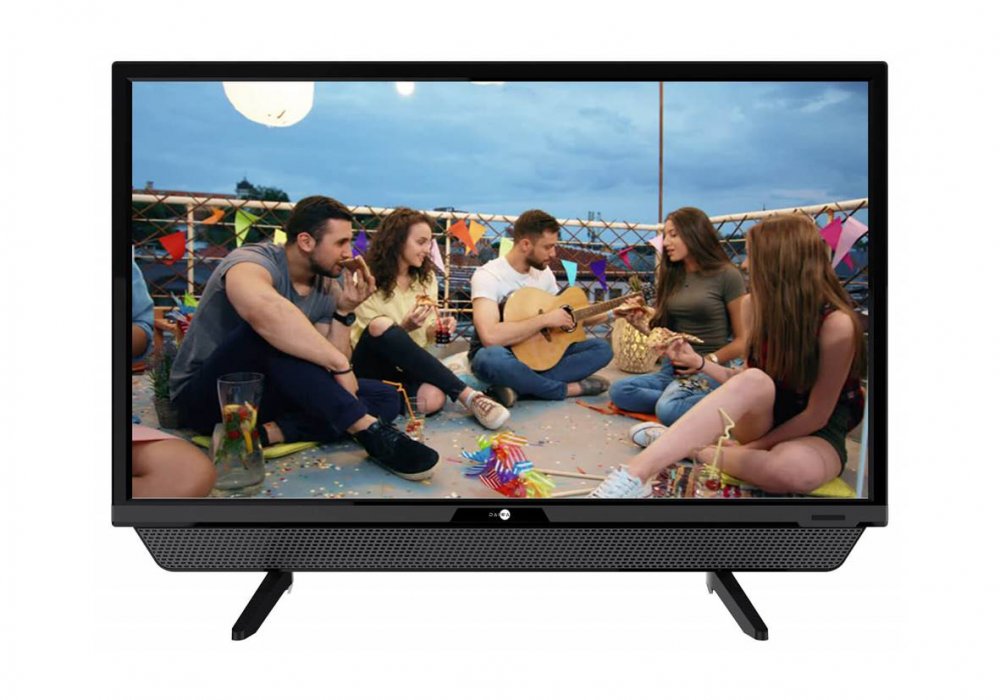
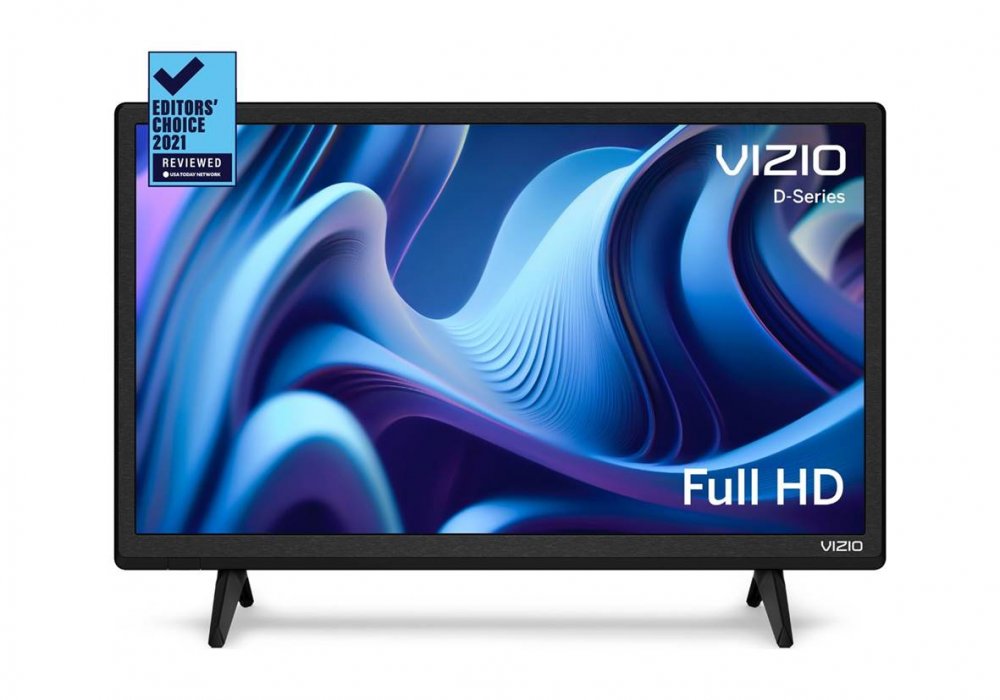
| Model No |
D26A10 |
D24F-J09 |
| TV Type |
Smart TV |
Smart TV |
| Screen Size |
24 Inch (59.80 cm) |
24 Inch (59.80 cm) |
| Resolution |
1366 x 768 |
1920 x 1080 |
| Aspect Ratio |
16:9 |
16:9 |
| Motion Rate |
60 Hz |
60 Hz |
| Viewing Angle |
178°/178° |
178°/178° |
| USB |
| USB Version |
: 2.0 |
| Supported Audio Formats |
: MP3 |
| Supported Video Formats |
: MPEG-1, MPEG-2 |
| Supported Picture Formats |
: JPEG |
|
| USB Version |
: 2.0 |
| Supported Audio Formats |
: MP3, AAC, AAC+, WMA, FLAC, WAV, M4A |
| Supported Video Formats |
: H.263, H.264, AVI, MKV, MP4, MPEG-4, WMV, VP9, DivX, Xvid, 3GPP |
| Supported Picture Formats |
: JPEG, GIF, PNG |
|
| Video |
| Backlight |
: DLED |
| Wide Viewing Angle |
: Yes |
| Response Time |
: 8 ms |
| Contrast Ratio |
: 400000:1 |
| Panel Type |
: A+ Grade Panel |
|
| Backlight |
: FHD Full Array LED |
| Picture Engine |
: IQ Processor |
| Gaming Engine |
: V-Gaming Engine™ |
|
| Audio |
| Audio Output Power |
: 20 W |
| Surround Sound |
: Yes |
| Built-In Soundbar |
: Yes |
|
| Audio Output (RMS) |
: 9 W + 9 W |
|
| Connectivity Options |
|
| HDMI 1.4 |
: 2 Rear |
| USB 2.0 |
: 1 Rear |
| Analog Audio Output |
: 1 Rear |
| ARC |
: Yes |
| Wi-Fi 4 |
: Yes |
| TV Tuner |
: Yes |
| Apple Airplay 2 |
: Yes |
| Chromecast Built-In |
: Yes |
|
| Smart TV Features |
|
| Operation System |
: Vizio Smart Cast |
| Netflix |
: Yes |
| Disney+ |
: Yes |
| YouTube |
: Yes |
| Apple TV+ |
: Yes |
| Prime Video |
: Yes |
| Works With Alexa |
: Yes |
| Works With Hey Google |
: Yes |
| Works With Apple HomeKit |
: Yes |
| Supported Internet Services |
: Apple TV+, Crackle, Discovery+, Disney+, Fandango, fuboTV, HBO Max, Hulu, iHeartRadio, Netflix, Pandora, Paramount+, Peacock, Prime Video, Redbox, Sling TV, STARZ, TikTok, Tubi, Vudu, XUMO, YouTube, YouTube TV |
|
| Other Features |
| Maximum Operating Distance |
: 6 Feet |
| Eco Vision |
: Yes |
|
| Design |
: Artful Design |
| Color |
: Black |
| AMD FreeSync |
: Yes |
| Variable Refresh Rate |
: Yes |
| Television Warranty |
: One Year Parts & Labor. Free Lifetime Technical Support. |
|
| General Details |
| Power Requirements |
: AC |
| Power Consumption |
: NA |
| Standby Power Consumption |
: NA |
| Net Weight |
: 3.90 Kg |
|
| Power Supply (Voltage, Hz) |
: AC 100V-240V 50/60Hz |
| Power Consumption Yearly |
: 46.2 kWh |
| Weight Without Stand |
: 2.7 Kg |
| Weight With Stand |
: 2.8 Kg |
| Packaging Weight |
: 3.7 Kg |
| VESA Hole Pattern |
: 100 mm X 100 mm |
|
| Supplied Accessories |
| Remote Control |
: Yes |
| User Manual |
: Yes |
| Wall Mount |
: Yes |
| Warranty Card |
: Yes |
| Table Stand Pair |
: Yes |
|
| Remote Control |
: XRT140 |
| 2 X AAA Batteries |
: Yes |
| Stand |
: Yes |
| User Manual |
: Yes |
| Power Cable |
: Yes |
| Power Cord Type |
: Attached ; 2-Prong. North America Plug Type A |
|
 ALERT
ALERT