 ALERT
ALERT
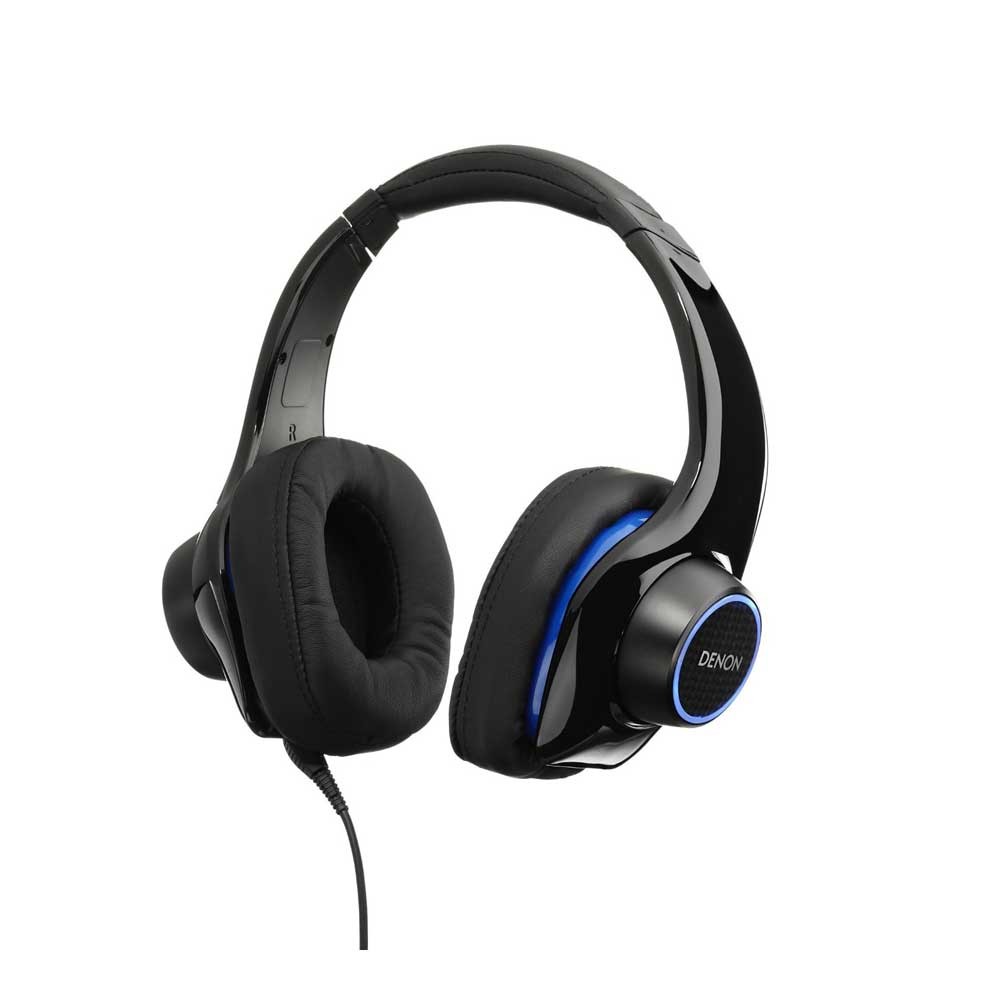
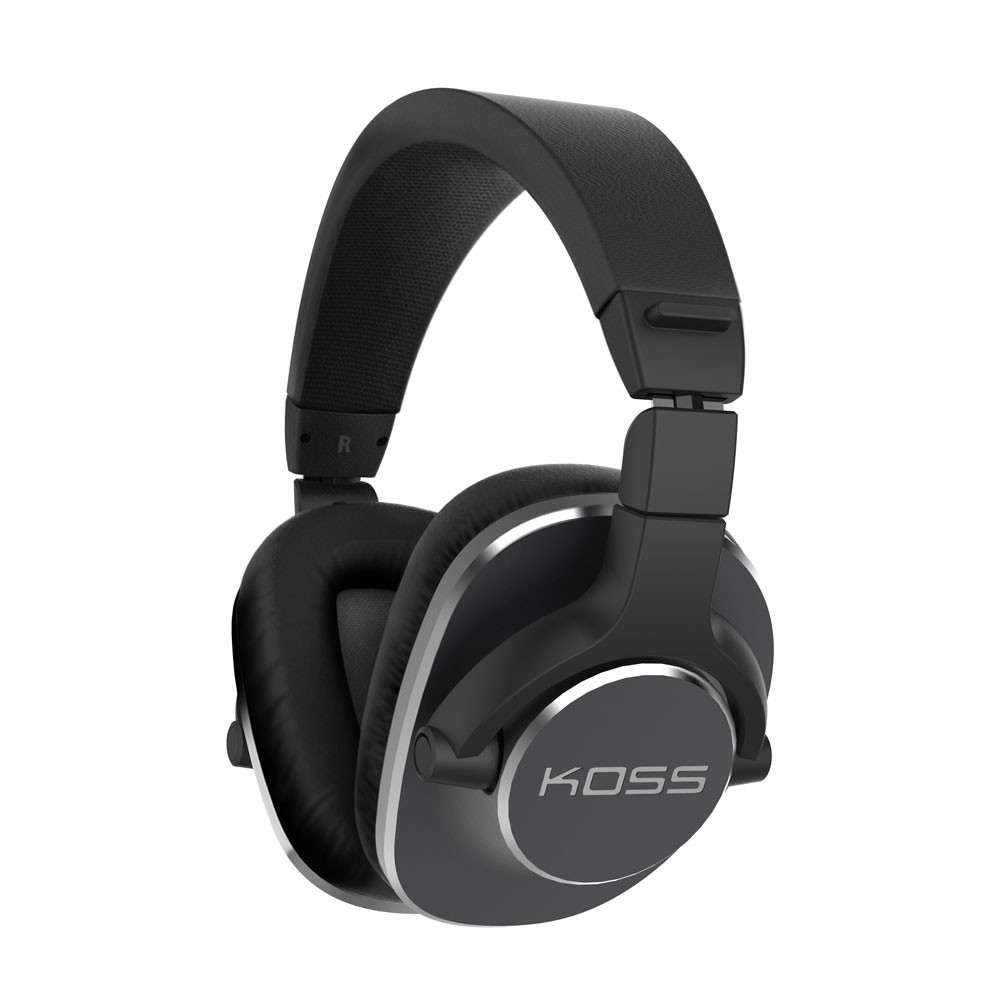
Denon AH-D400 vs Koss Pro4S
Advertisement
| Specification | ||
|---|---|---|
| Price | Rs.17,900.00 |
Rs.17,500.00 |
| Brand | Denon |
Koss |
| Model No | AH-D400 |
Pro4S |
| Wired / Wireless | Wired Headphone Specification |
Wired Headphone Specification |
| Headphone Type | Over Ear |
Over Ear |
| Magnet Type | Neodymium |
Neodymium |
| Driver Diameter | 50 mm |
40 mm |
| Impedance | 32 Ohms |
35 Ohms |
| Sensitivity | 110 dB/mW |
99 dB/mW |
| Frequency Response | 5 Hz - 37,000 Hz |
10 Hz - 25000 Hz |
| Maximum Power Input | 1800 mW |
NA |
| Noise Cancelling | NA |
NA |
| Available Colors | Black |
Black |
| Connector Plating | 3.5 mm Gold Plated Jack |
3.5 mm Gold Plated Jack |
| Cable | 1.5 m |
1.4 m |
| Weight | 310 g |
NA |
| Other Features | - Powerful Bass - Eye-catching color combinations - Built-in headphone amplifier and rechargeable battery for explosive sound |
- Full-size, over-ear Studio headphones - D-profile with memory foam cushions - Koss SLX40 Elements tuned for studio reference - Detachable cord with dual choice entry - Fold flat for portability - Carrying case - Covered under the Koss Stereophones Limited Lifetime Warranty |
Advertisement
Compare Denon AH-D400 with:
Compare Koss Pro4S with:
Top Differences
- Driver Size: 50 mm vs 40 mm
- Weight: 310 g vs NA
- Impedance: 32 Ohms Vs 35 Ohms
Advertisement