 ALERT
ALERT
| Specification | ||
|---|---|---|
| Price | Rs.10,658.60 |
Rs.10,660.42 |
| Brand | Denon |
Cleer Audio |
| Model No | Noise Cancelling Earbudss |
FLOW |
| Wired / Wireless | Wireless Headphone Specification |
Wireless Headphone Specification |
| Headphone Type | In Ear Canal |
Over Ear |
| Magnet Type | Dynamic |
Neodymium IronlessTM |
| Driver Diameter | 11 X 10 mm |
40 mm |
| Impedance | NA |
NA |
| Sensitivity | NA |
NA |
| Frequency Response | 20 Hz - 20000 Hz |
20 Hz - 40000 Hz |
| Maximum Power Input | DC 5 V / 2.4 A |
3.7 V |
| Wireless / Bluetooth Details | ||
| Wireless Technology | Bluetooth |
Bluetooth |
| Bluetooth Version | 5.0 With LE |
4.2 |
| Compatible Profiles | All Bluetooth Devices |
All Bluetooth Devices |
| Supported Codecs | AAC, SBC, A2DP, AVRCP, HSP, HFP |
A2DP, AVRCP, HFP, HSP, SBC, AAC, aptX, aptX HD, & LDAC |
| Battery Type | Lithium-ion Batteries |
Lithium-Ion Batteries |
| Bluetooth Range | 10 Meters + Class 1 |
10 Meters |
| Battery Life | 24 Hours |
20 Hours |
| Charging Time | 4.8 Hours |
2 Hours |
| Noise Cancelling | Hybrid Active |
HNC |
| Available Colors | Black, White |
Black |
| Connector Plating | NA |
3.5 mm |
| Cable | USB-C → A Charging Cable |
Micro USB Charging Cable |
| Weight | 43 Gm |
327 Gm |
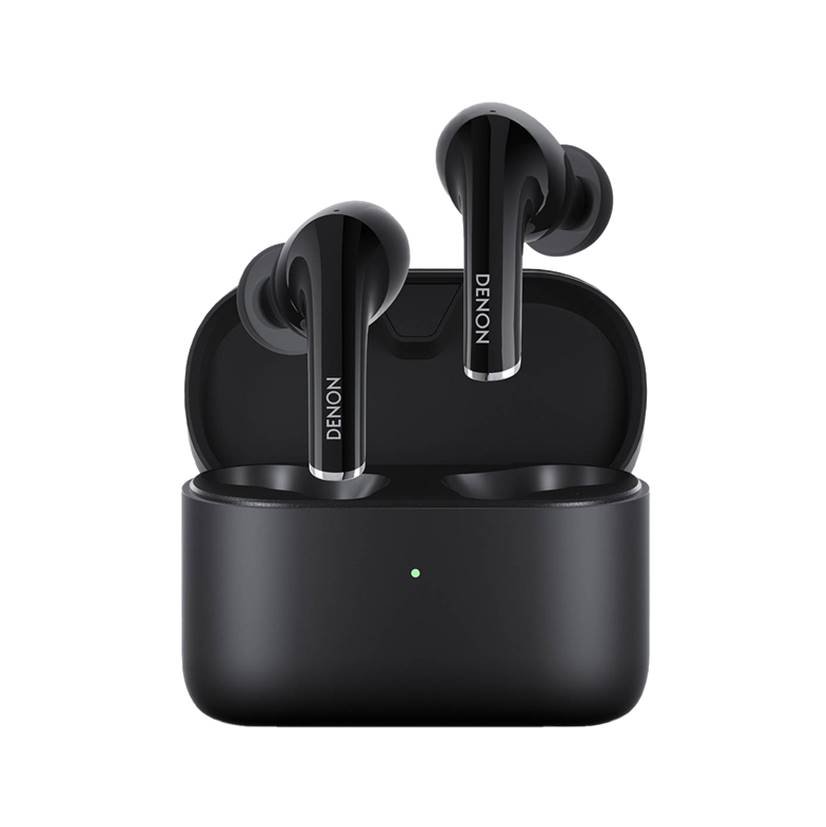
| Other Features | Ensures best-in-class sound quality with strong dynamics and crystal clear vocals. Light and ergonomic design Comfortable yet secure fit for long listening enjoyment. Active noise cancelling Cancels out environmental noise for undisturbed listening and comfort. Transparency mode Lets you partially disable noise cancelling to allow outside voices to reach your ears. Easy connection Works with any Bluetooth-capable playback device and even features Google Fast Pair for easy and convenient pairing. Long battery life Up to six hours listening with fully charged earbuds and in total a 24-hour capacity from the fully charged carrying case. Convenient carrying case Securely stores the earbuds and charges them from either the own builtin battery or through USB power connection. Sweat and water resistant Denon Noise Cancelling Earbuds are IPX4 rated, meaning they are for safe wear even during rain or heavy workouts. |
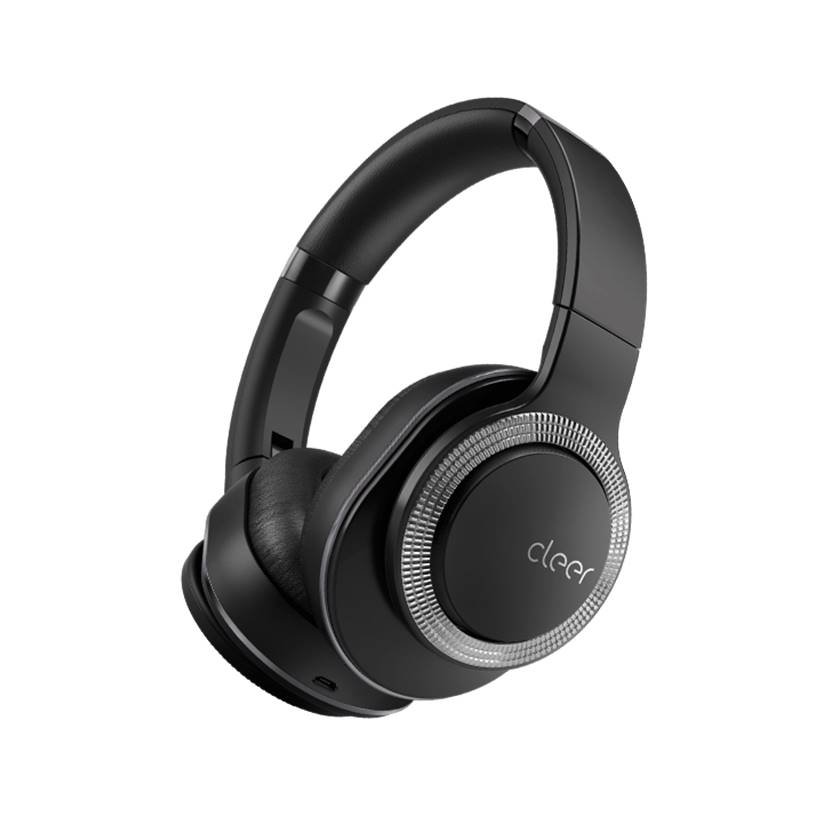
Hybrid noise cancelling technology. Up to 20-hours playback for all-day audio. Built-in microphone for flexible functionality. Swivel, folding design for comfort and storage. 40mm Ironless Drivers for bold Hi-Res sound quality. 10 mins of quick charging provides 2 hours of playback. Bluetooth® 4.2 with NFC for powerful wireless performance. Button controls for Noise Cancellation and Ambient Mode. Soft touch operation for play, pause, calls, and swipe for volume. |
Compare Denon Noise Cancelling Earbudss with:
Compare Cleer Audio FLOW with:
Top Differences
- Battery Life: 20 Hours vs 24 Hours
- Noise Cancelling: HNC vs Hybrid Active
- Driver Size: 40 mm vs 11 X 10 mm
- Bluetooth: 4.2 vs 5.0 With LE
- Weight: 327 Gm vs 43 Gm