 ALERT
ALERT
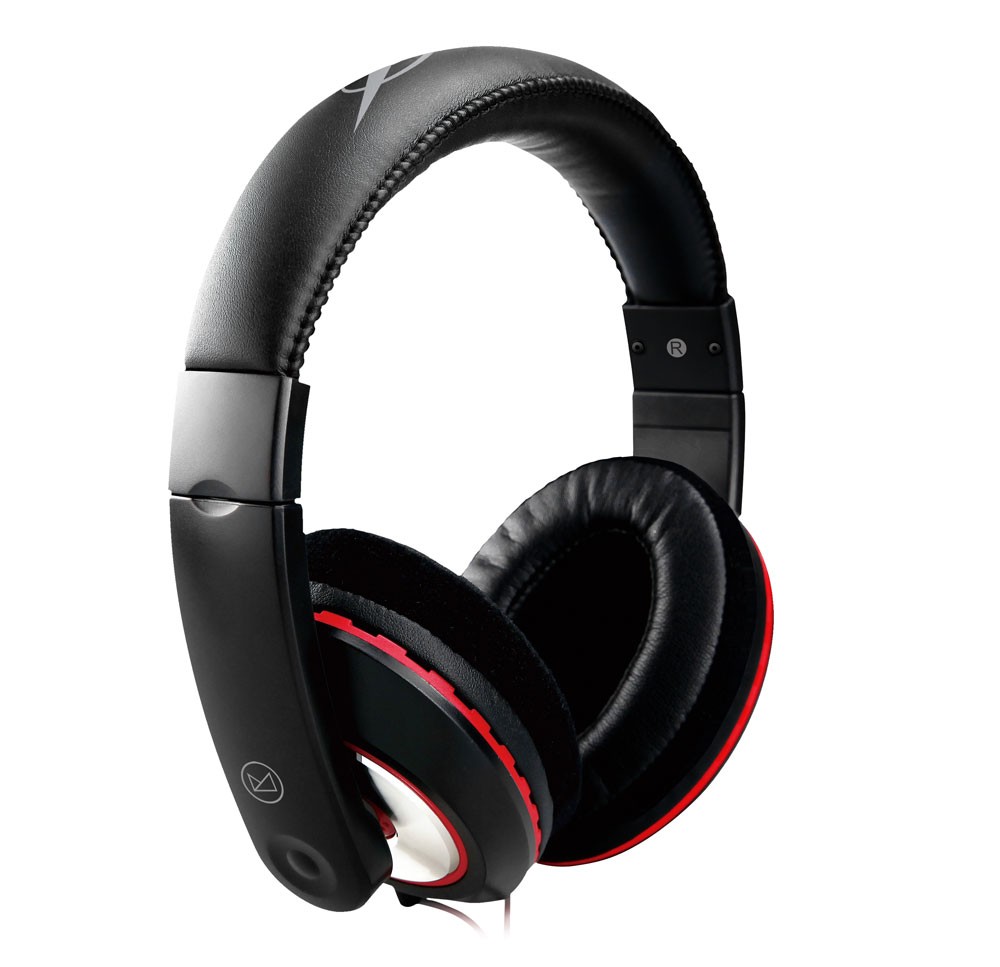
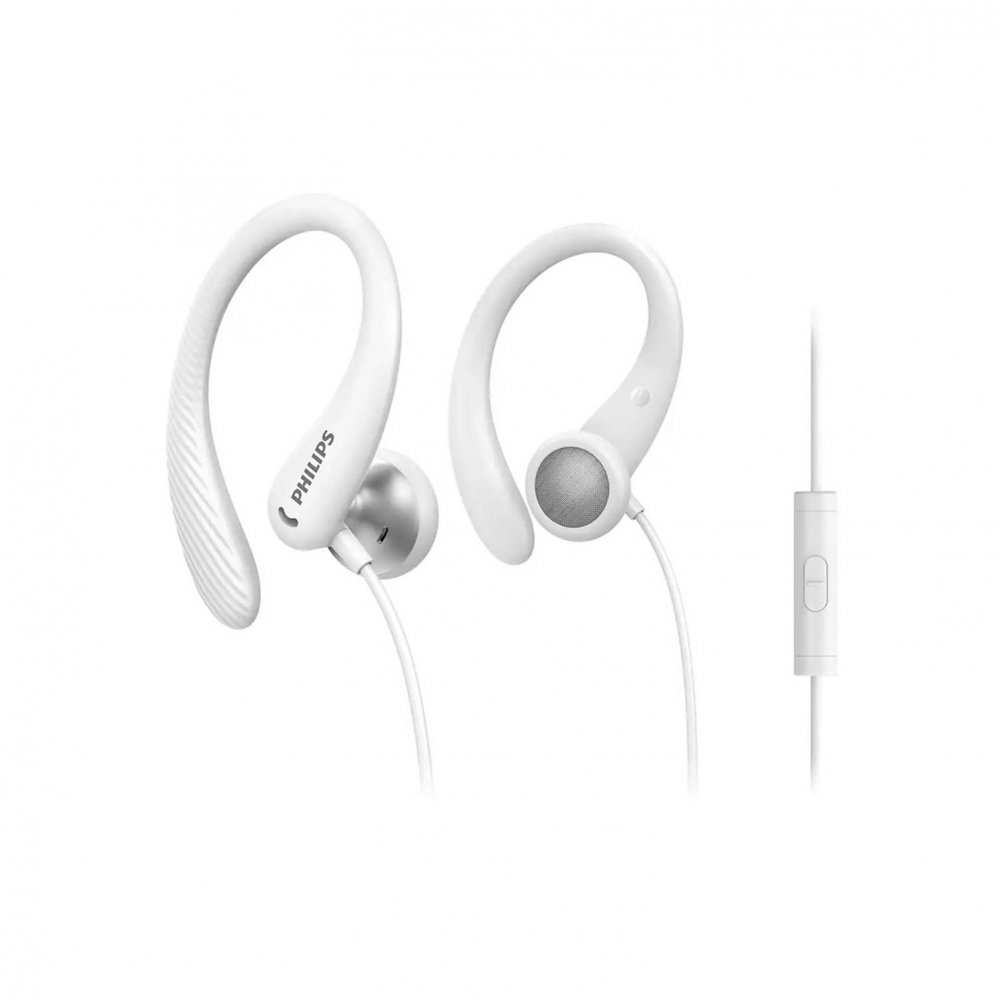
F&D Discovery H30 vs Philips TAA1105WT/00
Advertisement
| Specification | ||
|---|---|---|
| Price | Rs.1,200.00 |
Rs.1,200.00 |
| Brand | F&D |
Philips |
| Model No | Discovery H30 |
TAA1105WT/00 |
| Wired / Wireless | Wired Headphone Specification |
Wired Headphone Specification |
| Headphone Type | Over Ear |
In Ear Canal |
| Magnet Type | Neodymium |
Neodymium |
| Driver Diameter | 40 mm |
15 mm |
| Impedance | 32 ohms |
16 ohm |
| Sensitivity | 90 dB |
96 dB |
| Frequency Response | 20 - 20,000 Hz |
20 Hz - 20000 kHz |
| Maximum Power Input | 50 mW |
20 mW |
| Noise Cancelling | No |
Passive |
| Available Colors | Black |
White |
| Connector Plating | 3.5 mm Gold Plated Jack |
3.5 mm Stereo Chrome-Plated Jack |
| Cable | 1.5 m |
Tangle Resistant Cable |
| Weight | 400 g |
19 gm |
| Other Features | - Flexible Multi-folding Design - Adjustable leather headband soft and sturdy - Noise isolating seamless ear cushions |
1.2 m cable length. IPX2 sweat-resistant. Inline remote with mic. Clear sound, energizing bass. Easy control for music and calls. Made for your workout playlists. 15 mm neodymium drivers and bass vents. Headphones that stay in, however you move. Flexible, contoured ear-hook design for a secure fit. Go harder-these sweat-resistant IPX2-rated sports headphones can take it. |
Advertisement
Compare F&D Discovery H30 with:
Compare Philips TAA1105WT/00 with:
Top Differences
- Noise Cancelling: No vs Passive
- Driver Size: 40 mm vs 15 mm
- Weight: 400 g vs 19 gm
- Impedance: 32 ohms Vs 16 ohm
Advertisement