 ALERT
ALERT
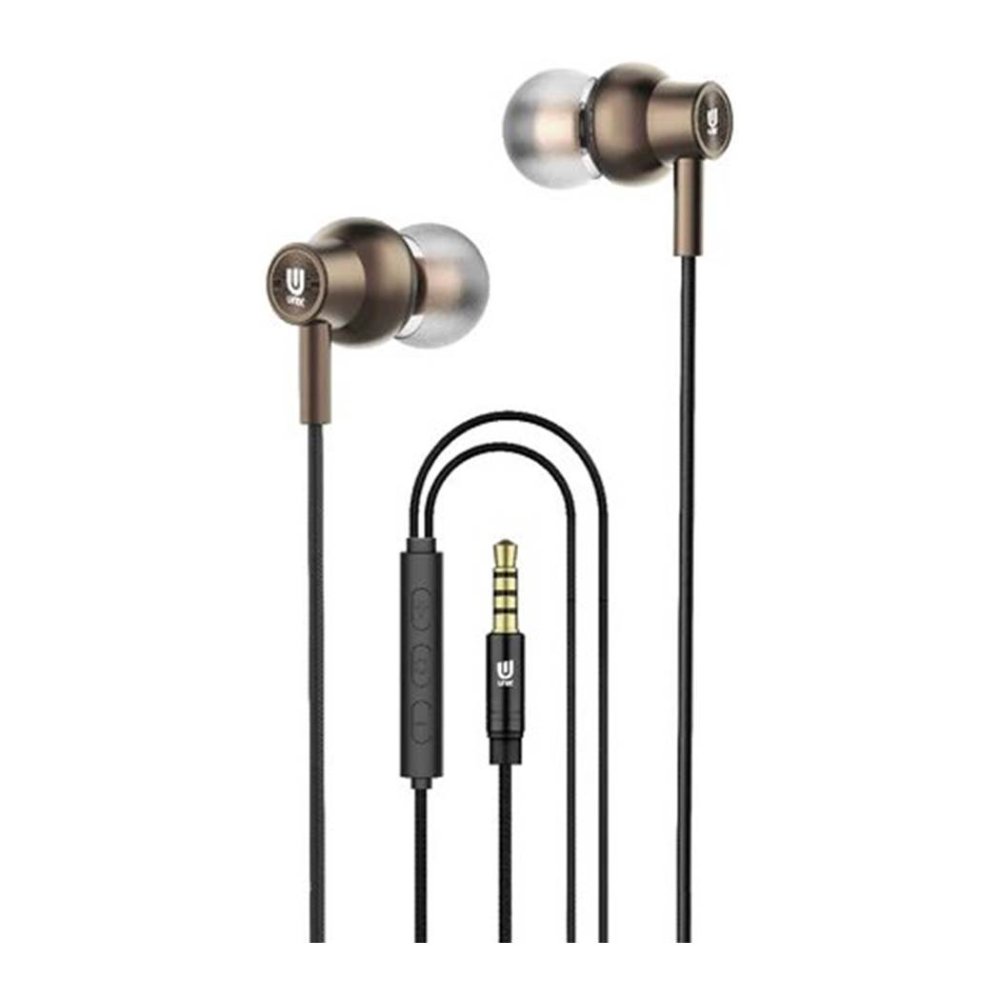
F&D Spiro vs Unix Alto
Advertisement
| Specification | ||
|---|---|---|
| Price | Rs.348.98 |
Rs.349.00 |
| Brand | F&D |
Unix |
| Model No | Spiro |
Alto |
| Wired / Wireless | Earphone Specification |
Earphone Specification |
| Headphone Type | In Ear Canal |
In Ear |
| Magnet Type | Neodymium |
Dynamic |
| Driver Diameter | 10 mm |
10 mm |
| Impedance | 16 ohm |
25 Ohms |
| Sensitivity | 95 dB@1KHz |
45 dBmW |
| Frequency Response | 20 Hz - 20000 Hz |
20Hz - 20KHz |
| Maximum Power Input | 5 mW |
5mW |
| Noise Cancelling | Active |
NA |
| Available Colors | Black, White |
White, Brown |
| Connector Plating | 3.5 mm |
3.5 mm Gold-Plated |
| Cable | Gold Plated Standard Cable |
Tangle-Free Cable |
| Weight | 60 Gm |
20 GM |
| Other Features | Design for you. In-line control. Listen with pleasure. Integrated microphone & call button. Smart design to match your lifestyle. Neodymium magnet enhances bass performance and sensitivity. |
In-Line Controls : Effortlessly answer, mute & end calls. Hi-Fi Stereo Sound : Crystal-clear audio with deep bass. HD Built-in Mic : Clear voice quality for smooth conversations. Tangle-Free Cable : Hassle-free 1.15m wire for everyday convenience. Universal Compatibility : Works with phones, gaming devices & computers. Super Bass Performance : Enhanced beats for an immersive music experience. |

Advertisement
Compare F&D Spiro with:
Compare Unix Alto with:
Top Differences
- Noise Cancelling: Active vs NA
- Weight: 60 Gm vs 20 GM
- Impedance: 16 ohm Vs 25 Ohms
Advertisement