| Model No |
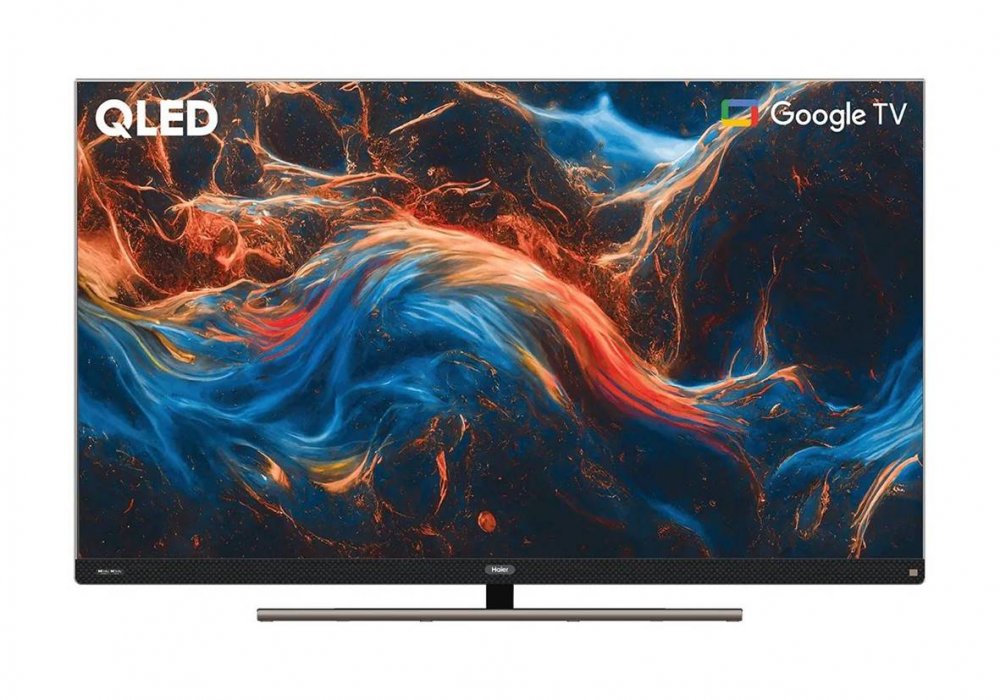
65S9QT |
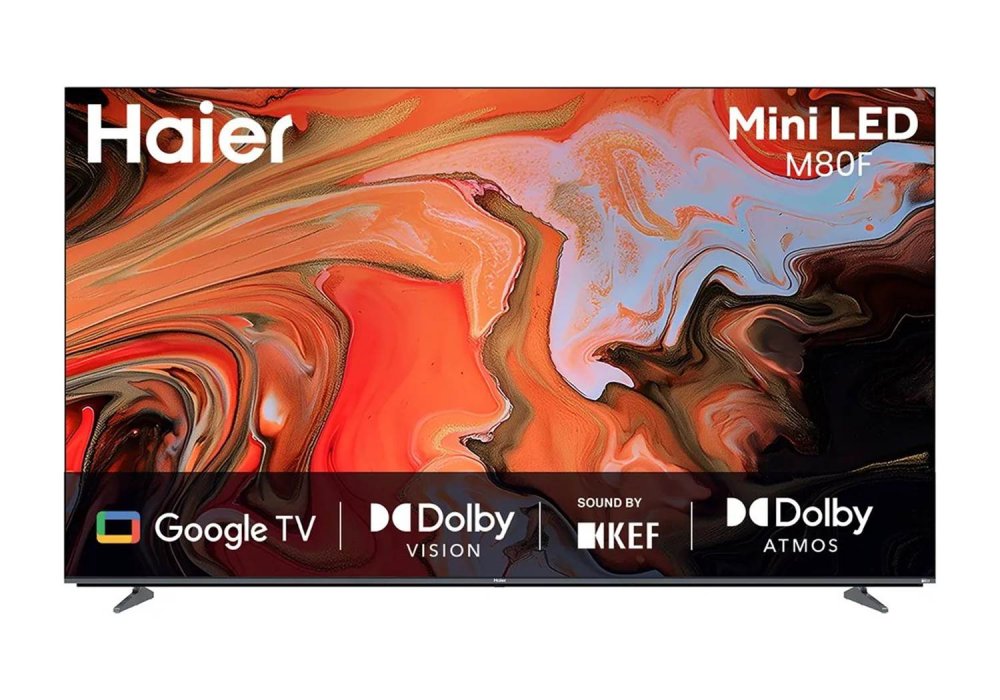
H65M80FUX |
| TV Type |
Smart TV |
Smart TV |
| Screen Size |
65 Inch (164 cm) |
65 Inch (164 cm) |
| Resolution |
4K 3840 x 2160 |
4K 3840 x 2160 |
| Aspect Ratio |
16:9 |
16:9 |
| Motion Rate |
120 Hz |
60 Hz |
| Viewing Angle |
178°/178° |
178°/178° |
| USB |
| USB Version |
: 2.0 |
| Supported Audio Formats |
: MP3, AAC, WMA, PCM |
| Supported Video Formats |
: MKV, DivX, MP4, AVI, ASF, MOV, FLV, DAT, VOB |
| Supported Picture Formats |
: JPG |
|
| USB Version |
: 2.0 |
| Supported Audio Formats |
: AAC, M4A, MP2, MP3, WMA |
| Supported Video Formats |
: 3GP, Asf, AVI, DAT, FLV, MKV, MOV, MP4, MPEG, MPG, VOB |
| Supported Picture Formats |
: JPEG, GIF, PNG |
|
| Video |
| Backlight |
: 4K UHD D-LED QLED |
| HLG |
: Yes |
| MEMC |
: Yes |
| HDR 10 |
: Yes |
| 4K HDR |
: Yes |
| Dolby Vision IQ |
: Yes |
| Contrast Ratio |
: 7000:1 |
| Number of Picture Mode Settings |
: 7 Mode |
| Brightness |
: 400 Nits |
|
| Backlight |
: 4K UHD Mini LED |
| HLG |
: Yes |
| MEMC |
: Yes |
| HDR10 |
: Yes |
| 4K HDR |
: Yes |
| Dolby Vision |
: Yes |
| Response Time |
: 8ms |
| Contrast Ratio |
: 6000:1 |
| Number Of Picture Mode Settings |
: 7 Modes |
| Panel Type |
: Mini LED |
| Brightness |
: Peak 800 Nits |
| Local Dimming |
: 180 Dimming Zones |
|
| Audio |
| Audio Power Output ( RMS ) |
: 30 W |
| Dolby Atmos |
: Yes |
| Stereo Speaker |
: Yes |
| Automatic Volume Control |
: Yes |
|
| Audio Power Output ( RMS ) |
: 50 W |
| Dolby Atmos |
: Yes |
| Stereo Speaker |
: Yes |
| Dolby Digital Decoder |
: Yes |
| Automatic Volume Control |
: Yes |
| Sound Configuration |
: 2.1 Stereo Channel |
| Sound |
: Sound By KEF , Dolby Atmos, DTS-X |
|
| Connectivity Options |
| HDMI Input |
: 4 |
| USB 2.0 |
: 2 |
| Bluetooth |
: Yes |
| Ethernet / LAN |
: Yes |
| Wireless Built In |
: Yes |
| Headphone Output |
: Yes |
| Google Chromecast Built-In |
: Yes |
| Wireless ( Built In Or Dongle ) |
: Yes |
|
| HDMI ( 2.1 ) |
: 4 |
| USB ( 2.0 ) |
: 2 |
| Bluetooth 5.1 |
: Yes |
| Ethernet / LAN |
: Yes |
| Headphone Output |
: Yes |
| Google Chromecast Built-In |
: Yes |
| Wireless ( Built In Or Dongle ) |
: Yes |
|
| Smart TV Features |
| Operating System |
: Google TV |
| Smart TV |
: Yes |
| RAM |
: 3 GB |
| ROM |
: 32 GB |
| DBX-TV |
: Yes |
| Google Play Store |
: Yes |
| One Touch Button |
: Yes |
| Mobile Remote App |
: Yes |
| Android Devices IoT Hub |
: Yes |
| Hands-Free Voice Control |
: Yes |
| AI Smart Voice By Google Assistant |
: Yes |
|
| Operating System |
: Google TV |
| RAM |
: 2 GB |
| ROM |
: 32 GB |
| DBX-TV |
: Yes |
| IoT Hub |
: Yes |
| Google Assistant |
: Yes |
| Google Play Store |
: Yes |
| One Touch Button |
: Yes |
| Android Devices IoT Hub |
: Yes |
| Hands Free Voice Control |
: Yes |
| Bluetooth Voice Remote Control |
: Yes |
| AI Smart Voice By Google Assistant |
: Yes |
| Mobile Remote App |
: Google TV Remote App |
|
| Other Features |
| Colour |
: Grey |
| Warranty |
: 2 Year |
| Importer Details |
: Haier Appliances pvt. Ltd |
|
| Design |
: Bezel-Less Design |
| Colour |
: Grey |
| Variable Refresh Rate ( VRR ) |
: Yes |
| Auto Low Latency Mode ( ALLM ) |
: Yes |
| Warranty |
: 2 Years |
|
| General Details |
| Power Supply ( Voltage, Hz ) |
: AC 100V-240V 50/60Hz |
| Power Consumption |
: 230 W |
| Power Consumption Standby |
: ≤0.5 W |
| Evergy Saving Mode |
: Yes |
| Unit Weight |
: 19.7 Kg |
| Gross Weight |
: 25.85 Kg |
|
| Power Supply ( Voltage, Hz ) |
: AC 100V-240V 50/60Hz |
| Power Consumption |
: 270 W |
| Power Consumption Standby |
: ≤0.5 W |
| Energy Saving Mode |
: Yes |
| Unit Weight |
: 16.4 Kg |
| Gross Weight |
: 22.9 Kg |
|
| Supplied Accessories |
| Bluetooth Voice Remote Control |
: Yes |
| 2 AAA Batteries |
: Yes |
| Power Cord |
: Yes |
| User Manual |
: Yes |
| Registration Card |
: Yes |
| Stand Assemble Instruction |
: Yes |
|
| Remote Control |
: Yes |
| Power Cord |
: Yes |
| User Manual |
: Yes |
| 2 AAA Batteries |
: Yes |
| Quick Start Guide |
: Yes |
|
 ALERT
ALERT