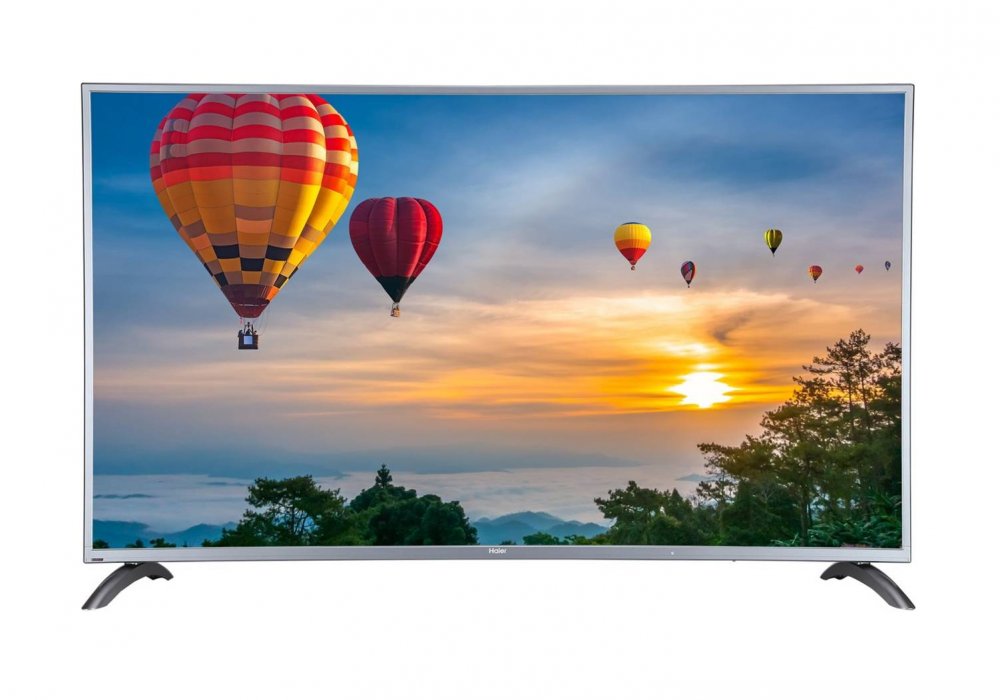
| Model No |
LE55B9700UG |
LED55K160GAU |
| TV Type |
LED TV |
LED TV |
| Screen Size |
55 Inch (139 cm) |
55 Inch (139 cm) |
| Resolution |
4K 3840 x 2160 |
1920 x 1080 |
| Aspect Ratio |
16:9 |
16:9 |
| Motion Rate |
60 Hz |
120 Hz |
| Viewing Angle |
178°/178° |
178 / 178 degrees |
| USB |
| USB Version |
: 2.0 |
| Supported Audio Formats |
: MP3, AAC, WMA, PCM |
| Supported Video Formats |
: MKV, DivX, MP4, AVI, ASF, MOV, FLV, DAT, VOB |
| Supported Picture Formats |
: JPG |
|
| USB Version |
: 2.0 & 3.0 |
| Supported Audio Formats |
: MP3, AAC, WMA |
| Supported Video Formats |
: MKV, DivX, MP4, AVI, ASF, MOV, FLV, DAT, VOB |
| Supported Picture Formats |
: JPG |
|
| Video |
| Backlight |
: LED |
| Brightness |
: NA |
| Noise Reduction |
: Yes |
| Comb Filter |
: Yes |
| 4K UHD |
: Yes |
| USB Video |
: Yes |
| MHL ( Mobile Hi-Definition Link ) |
: Yes |
| Number Of Picture Mode Settings |
: 5 |
| Response Time |
: 8 ms |
|
| Panel |
: A+ Grade Panel |
| Dynamic Contrast Ratio |
: 1000000:1 |
| Built in Digital Media Player |
: Yes |
| Backlight source |
: Edge-lit LED |
|
| Audio |
| Audio Power Output ( RMS ) |
: 2*10 W |
| Dolby Decoder |
: Yes |
| Automatic Volume Control |
: Yes |
| Stereo Speaker |
: Yes |
| Number Of Sound Mode Settings |
: 5 |
|
| Audio output |
: 10 + 10 Watts |
| Audio Equalizer |
: Yes |
| Automatic Volume Level (AVL) |
: Yes |
| Built in DMP Player with True Sound and SPDIF Audio Output |
: Yes |
|
| Connectivity Options |
| HDMI Input |
: 4 |
| USB 2.0 |
: 2 |
| USB 2.0 Input |
: Yes |
| Component Video (Y/Pb/Pr) |
: 1 |
| Composite Video Input |
: 1 |
| Analog Audio Input |
: 1 |
| RF Connection Input |
: 1 |
| Audio Output |
: 1 |
| AC Power Input |
: 1 |
|
| USB |
: 2 (Rear) |
| HDMI |
: 3 (Rear) |
| Radio Frequency Input (RF) |
: 1 (Rear) |
| Component / Y Pb (Cb) Pr (Cr) |
: 1 (Rear) |
| Audio L/R For Component Input |
: 1 |
| AV Input |
: 1 |
| VGA Input |
: 1 |
| Audio L/R for VGA input |
: 1 |
| Video RCA output |
: 1 |
| Earphone Jack |
: 1 |
|
| Other Features |
| Blue Back |
: Yes |
| Info |
: Yes |
| Sleep Timer |
: Yes |
| USB Photo Viewer |
: Yes |
| USB Music Player |
: Yes |
| USB Video Player |
: Yes |
| Favourites |
: Yes |
|
| Zoom Function with: 4:3, 16:9, Auto, Zoom 1, Zoom 2 |
: Yes |
| 1:1 Pixel mapping |
: Yes |
| Still image |
: Yes |
| Digital Media Player (DMP) |
: Yes |
| Motion enhancement and compensation (MEMC) |
: Yes |
| True Color Optimizer Supporting 16.7 Million Colors |
: Yes |
| Moisture Resistant + Dust Resistant Components |
: Yes |
| Digital Noise Reduction |
: Yes |
| Auto Backlight Adjust |
: Yes |
| Slim Line Bezel |
: Yes |
| Energy Efficient |
: Yes |
| Parental Control Lock |
: Yes |
|
| General Details |
| Power Supply (Voltage, Hz) |
: AC 100V-240V 50/60Hz |
| Power Consumption |
: 150 W |
| Power Consumption Standby |
: u22640.5 W |
| Weight ( Without Stand ) |
: 13 Kg |
| Weight ( With Stand ) |
: 13.2 Kg |
| Packaging Weight |
: 18.0 Kg |
|
| Power Supply |
: 100- 240V 50Hz/60Hz |
| Power Consumption |
: 120 watts |
| Power Consumption (Stand-by) |
: 0.1 Watt |
| Weight with Stand |
: 26 Kg |
| Weight without Stand |
: 21.5 Kg |
| Wall Mount & Table Top Stand |
: Yes |
| VESA Wall Mount Dimensions |
: (Horiz / Vert) 400/ 400 mm |
|
| Supplied Accessories |
| Remote Control |
: Yes |
| User Manual |
: Yes |
|
| Remote Control |
: Yes |
| Power Cord |
: Yes |
| User Manual |
: Yes |
| Cable Tie/ Clip |
: 1 |
| Battery |
: (Size / Quantity) AAA / 2 |
|
 ALERT
ALERT