 ALERT
ALERT
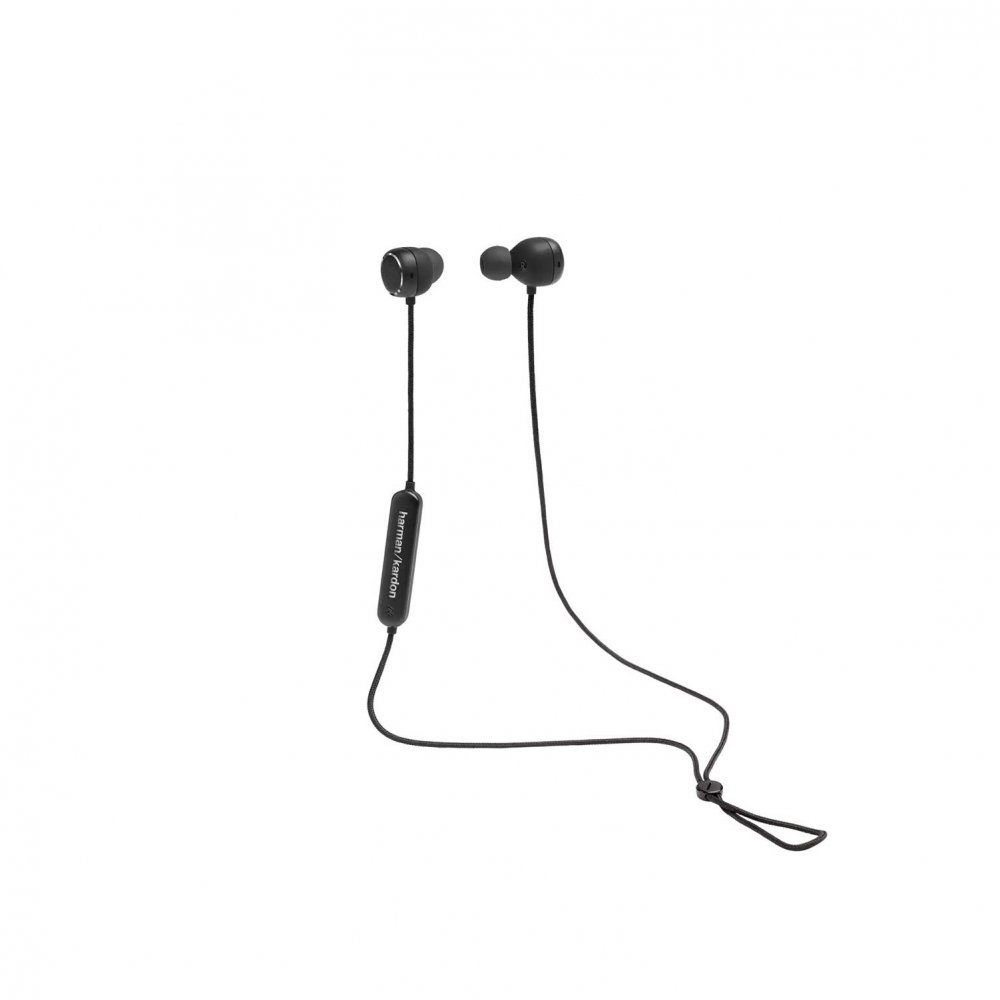
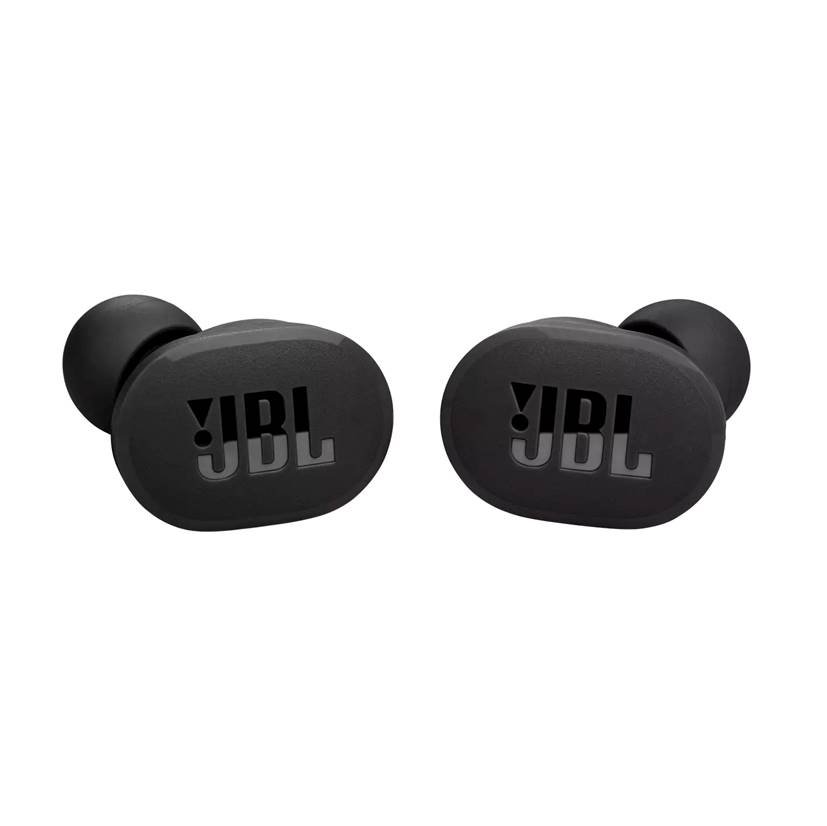
Harman Kardon FLY BT vs JBL Tune 130NC TWS
Advertisement
| Specification | ||
|---|---|---|
| Price | Rs.4,999.00 |
Rs.4,999.00 |
| Brand | Harman Kardon |
JBL |
| Model No | FLY BT |
Tune 130NC TWS |
| Wired / Wireless | Wireless Headphone Specification |
Wireless Headphone Specification |
| Headphone Type | In Ear |
In Ear |
| Magnet Type | Dynamic |
Dynamic |
| Driver Diameter | 8.6 mm |
10 mm |
| Impedance | 32 ohm |
32 Ohm |
| Sensitivity | 94dBSPL |
103 dB SPL |
| Frequency Response | 20 Hz - 20000 kHz |
20 Hz - 20000 Hz |
| Maximum Power Input | 5 V |
5 V / 1A |
| Wireless / Bluetooth Details | ||
| Wireless Technology | Bluetooth |
Bluetooth |
| Bluetooth Version | 4.1 |
5.2 |
| Compatible Profiles | All Bluetooth Devices |
All Bluetooth Devices |
| Supported Codecs | HFP, HSP, A2DP, AVRCP |
A2DP, AVRCP,HFP |
| Battery Type | Li-ion Polymer Batteries |
Lithium-ion Batteries |
| Bluetooth Range | 10 Meters |
10 Meters |
| Battery Life | 8 Hours |
8 / 10 Hours |
| Charging Time | < 2 Hours |
2 Hours |
| Noise Cancelling | NA |
ANC |
| Available Colors | Black |
Black, White, Blue |
| Connector Plating | NA |
NA |
| Cable | Charging Cable |
USB Type-C Charging Cable |
| Weight | 17.1 gm |
52 Gm |
| Other Features | Harman Kardon beautiful sound. Hands-free help. Your music, uninterrupted. Works with your favorite Voice Assistant. Beautifully crafted from luxurious materials. Sweat and water resistant with an IPX5 rating. Keep your headphones around your neck when not in use. Free yourself from the nuisance of entwined earbud cords. With up to 8 hours of playback time from a single quick charge. Quick charging with up to 8 hours of playback, they easily pair with your smartphone for hands-free calling and access to your favorite voice assistant. |
JBL Pure Bass Sound. 4 mics for perfect calls. Active Noise Cancelling with Smart Ambient. Thanks to IPX4 water resistance and sweatproofing. A quick 10 minutes of charging provides you with upto 2 Hours of playtime. |
Advertisement
Compare Harman Kardon FLY BT with:
Compare JBL Tune 130NC TWS with:
Top Differences
- Noise Cancelling: NA vs ANC
- Driver Size: 8.6 mm vs 10 mm
- Bluetooth: 4.1 vs 5.2
- Weight: 17.1 gm vs 52 Gm
Advertisement