 ALERT
ALERT
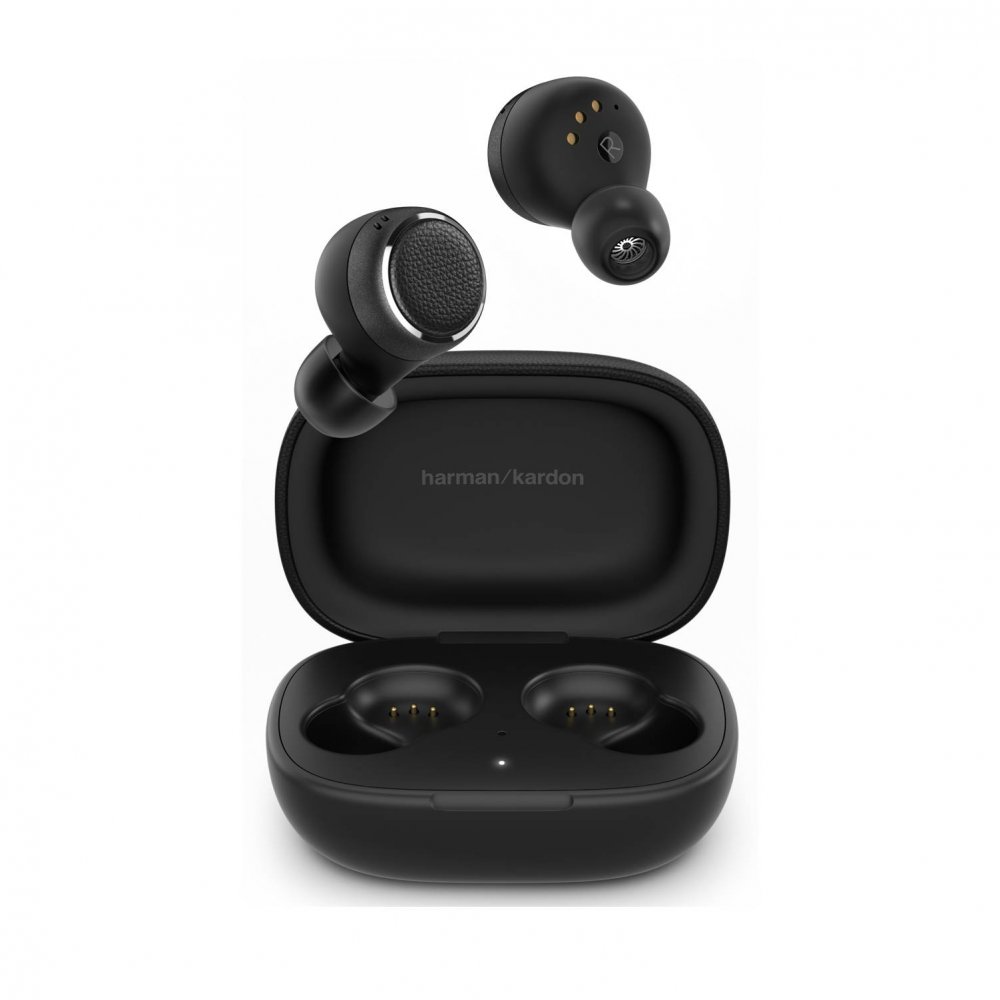
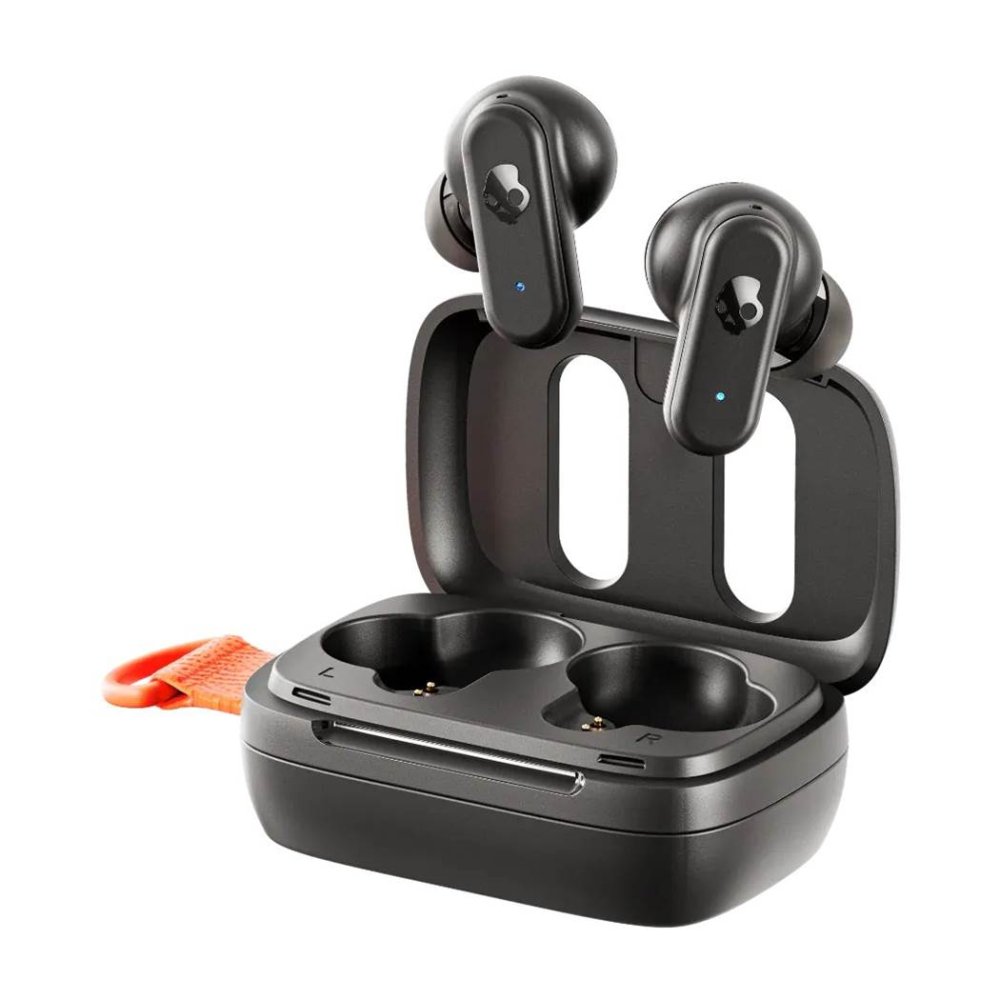
Harman Kardon FLY TWS vs Skullcandy DIME®3
Advertisement
| Specification | ||
|---|---|---|
| Price | Rs.9,999.00 |
Rs.9,999.00 |
| Brand | Harman Kardon |
Skullcandy |
| Model No | FLY TWS |
DIME®3 |
| Wired / Wireless | Wireless Headphone Specification |
Wireless Headphone Specification |
| Headphone Type | In Ear |
In Ear |
| Magnet Type | Dynamic |
Dynamic |
| Driver Diameter | 5.6 mm |
6 mm |
| Impedance | 17 ohm |
16Ω ± 15% Ohms |
| Sensitivity | 97dBSPL |
104dB±3dB |
| Frequency Response | 10 Hz - 20000 kHz |
20Hz - 20KHz |
| Maximum Power Input | 5 V |
5 V 2A |
| Wireless / Bluetooth Details | ||
| Wireless Technology | Bluetooth |
Bluetooth |
| Bluetooth Version | 5.0 |
5.3 |
| Compatible Profiles | All Bluetooth Devices |
All Bluetooth Devices |
| Supported Codecs | A2DP, AVRCP, HFP |
AAC |
| Battery Type | Li-ion Polymer Batteries |
Lithium-Ion Batteries |
| Bluetooth Range | 10 Meters |
10 Meters |
| Battery Life | 6 Hours |
20 Hours |
| Charging Time | < 2 Hours |
1 Hours |
| Noise Cancelling | Active |
Sound Isolation |
| Available Colors | Black |
Black, White |
| Connector Plating | NA |
NA |
| Cable | Charging Cable |
USB Type-C Charging Cable |
| Weight | 59.2 gm |
34 GM |
| Other Features | Superior true wireless connectivity. Harman Kardon Signature Sound. Auto Pause mode. Never miss a beat. Hands-free stereo calls. Long-lasting high fidelity. Full-function touch control. Water resistant, worry-free. Premium comfort and design. Captivating true wireless sound. Google Assistant and Amazon Alexa built-in. Explore more with the Harman Kardon Headphones App. Voice Assistant between Google Asssistant and Amazon Alexa. |
Sidetone. Stay-Aware Mode. Multipoint Pairing. Noise-Isolating Fit. Integrated Lanyard. Use Either Bud Solo. Call & Media Controls. Clear Voice Smart Mic. Activate Voice Assistant. Skullcandy Supreme Sound™. IPX4 Sweat & Water Resistant. Built-In Tile™ Finding Technology. 20 Hours Total Battery + Rapid Charge. Preset EQ Modes ( Music, Bass Boost, Podcast ). Never lost with Tile - With Tile technology, Skullcandy makes it super easy to track down either earbud and keep your gadgets safe. Download the Tile app and follow the instructions to activate. Multipoint Pairing - Allows you to pair your earbuds to two devices at once. Connections are managed automatically. If you get a call while watching a movie on your laptop, your connection will switch to the call on your phone. Latest Sound Tech - Stay-Aware Mode to allow you to stay tuned-in to the world around you. 3 preset EQ modes optimize audio for any media. Clear Voice Smart Mic uses AI to isolate the speaker’s voice and cut out background noise. Hours of Power - We built Dime 3 with a small, efficient battery that cuts its carbon footprint to less than half that of other earbuds. It delivers 8 hours of listening time in the bud and 2 full charges in the case for a full 20 hours of battery life. Supreme Audio - workout, relax, skate listening favorite tunes. Hear every beat of your music and let the bass blow UP. We put a mic in each bud allowing you to have 1 bud in and leave the other in the case, call and hear outside sound at the same time. |
Advertisement
Compare Harman Kardon FLY TWS with:
Compare Skullcandy DIME®3 with:
Top Differences
- Battery Life: 6 Hours vs 20 Hours
- Noise Cancelling: Active vs Sound Isolation
- Driver Size: 5.6 mm vs 6 mm
- Bluetooth: 5.0 vs 5.3
- Weight: 59.2 gm vs 34 GM
Advertisement