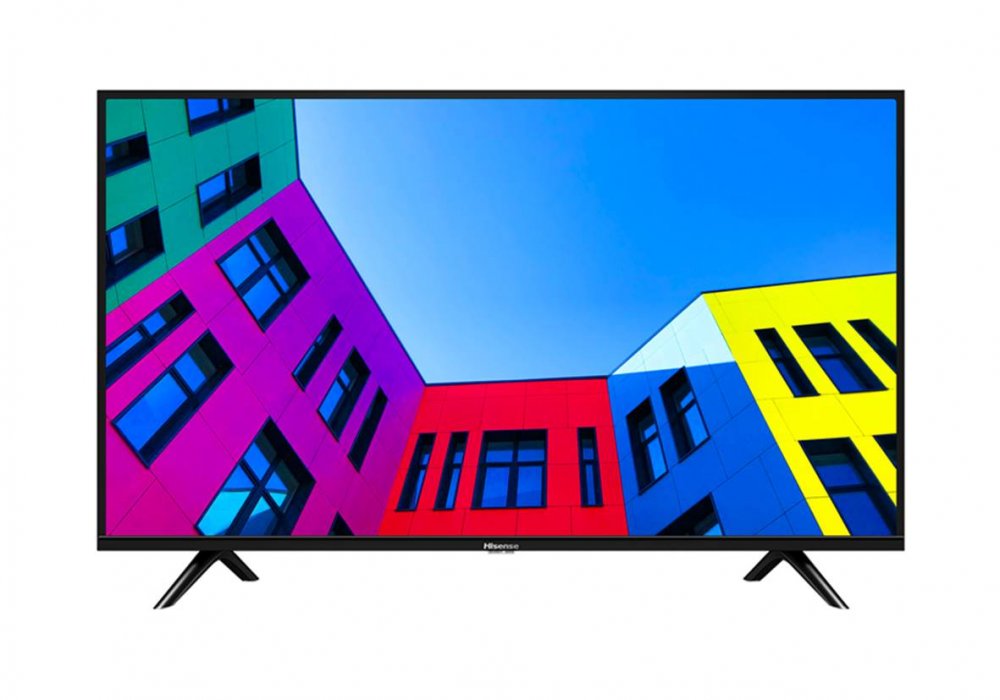
| Model No |
40B5200 |
40S3965 |
| TV Type |
LED TV |
LED TV |
| Screen Size |
40 Inch (102 cm) |
40 Inch (102 cm) |
| Resolution |
1920 x 1080 |
1920 x 1080 |
| Aspect Ratio |
16:9 |
16:9 |
| Motion Rate |
60 Hz |
50 Hz |
| Viewing Angle |
178°/178° |
178°/178° |
| USB |
| USB Version |
: 2.0 |
| Supported Audio Formats |
: WMA, WMV, MP4, FLAC, MP2, MP3 |
| Supported Video Formats |
: AVI, WMV, MP4, MOV, 3GP, MKV, MPG, MPEG, VOB, FLV, WebM, OGM |
| Supported Picture Formats |
: JPEG, BMP, PNG, GIF, MPO |
|
| USB Version |
: 2.0 |
| Supported Audio Formats |
: MP3, AAC, HEAAC, WMA |
| Supported Video Formats |
: MPG, MPEG, MPEG2 -PS, MP4, MKV, AVI, ASF, FLV |
| Supported Picture Formats |
: JPEG, JPG, PNG, BMP |
|
| Video |
| Backlight |
: FHD DLED |
| Motion Picture Enhancer |
: Yes |
| Contrast |
: High Contrast |
|
| BackLight |
: FHD D-LED |
| Comb Filter |
: Yes |
| Picture Freeze |
: Yes |
| Contrast Booster |
: Yes |
| Mpeg Noise Reduction |
: Yes |
| Intelligent Backlight Control |
: Yes |
| Video Processing |
: 8 Bit |
| Brightness |
: 275 cd/m² |
| Active Motion & Resolution Plus |
: AMR + 100 |
| Picture Engine |
: CEVO Engine |
| Picture Modes |
: Standard, Dynamic, Cinema Day, Cinema Night |
|
| Audio |
| Sound Output ( RMS ) |
: 6 W + 7 W |
| Number of Speakers |
: 2 |
| Dolby Digital |
: Yes |
| Audio Enhancement |
: SWS |
|
| Audio Output ( RMS ) |
: 8 W + 8 W |
| Surround |
: Yes |
| Dolby Audio |
: Yes |
| Audio Source Filtering |
: Yes |
| Sound Modes |
: Standard, Music, Movie, Sports, User |
|
| Connectivity Options |
| HDMI 1.4 |
: 2 |
| USB 2.0 |
: 2 |
| AV Input |
: Yes |
| Earphone Jack |
: Yes |
| RF- Radio Frequency Input |
: Yes |
| Optical Digital Audio Output ( SPDIF ) |
: Yes |
|
| HDMI |
: 2 |
| USB ( 2.0 ) |
: 2 |
| Antenna |
: 1 |
| Composite Video |
: Yes |
| Tuner |
: DTV |
|
| Other Features |
| Warranty |
: 2 Years |
| Television System |
: DVB-T / DVB-T2 |
|
| Design |
: Bezel-Less Design |
| Sleep Timer |
: Yes |
| Playback Format |
: Yes |
| Receiving System |
: DVB-C/C2/T/T2 / CI+ |
| Multilingual OSD |
: English, Arabic, French, Russian, Others |
| Warranty |
: 1 Year Warranty on Toshiba Televisions |
|
| General Details |
| Power Supply |
: AC 120V-240V 50/60Hz |
| Power Consumption Standby |
: 0.5 W |
| Weight Without Stand |
: 6.4 Kg |
| Weight With Stand |
: 6.5 Kg |
| Weight Packaged |
: 8.8 Kg |
| Wall Mount Dimensions |
: 200 mm X 200 mm |
|
| Power Supply ( Voltage, Hz ) |
: AC 100 V-240 V 50/60Hz |
| Power Consumption |
: <75 W |
| Power Consumption Standby Mode |
: <0.5 W |
| Weight Without Stand |
: 5.8 Kg |
| Weight With Stand |
: 5.9 Kg |
| Packed Weight |
: 8.4 Kg |
|
| Supplied Accessories |
| Remote Control |
: Yes |
| 2 X AAA Batteries |
: Yes |
| User Manual |
: Yes |
|
| Remote Control |
: Yes |
| User Manual |
: Yes |
| Power Cord |
: Yes |
|
 ALERT
ALERT