 ALERT
ALERT
Hisense AX3100Q vs Hisense AX3100G
Best For
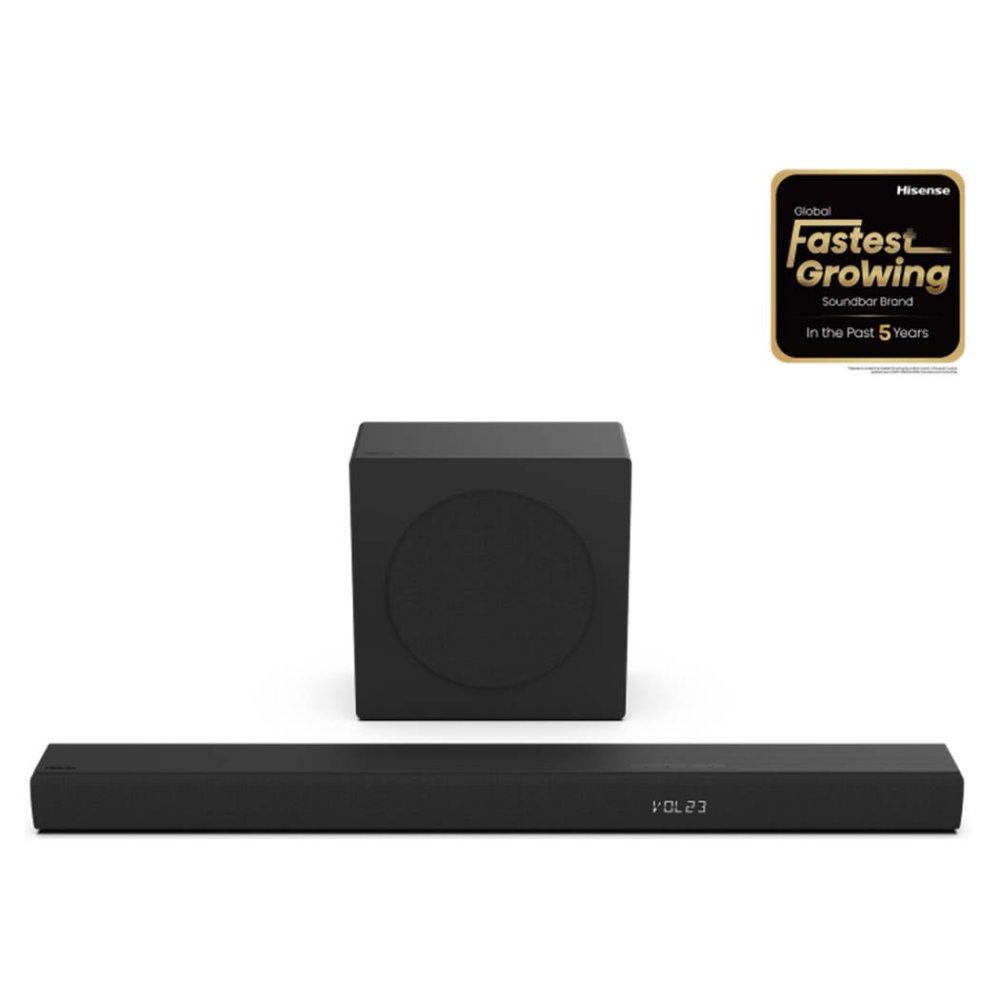
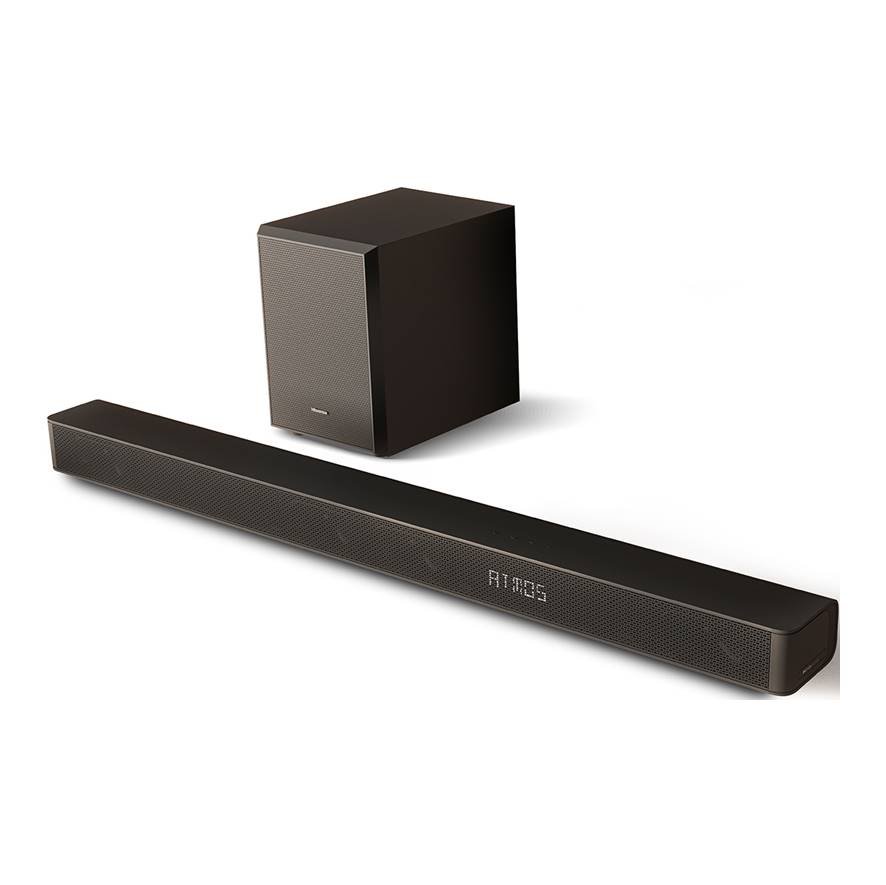
The Hisense AX3100G and Hisense AX3100Q are both 3.1-channel soundbars designed to enhance TV audio with a dedicated wireless subwoofer. While they share a similar frequency response range and support modern connectivity options, there are some important differences. The AX3100G focuses on immersive audio with Dolby Atmos, DTS:X support, and multiple sound modes, making it attractive for movie enthusiasts. Meanwhile, the AX3100Q delivers significantly higher power output at 500W RMS, offering a louder and more impactful sound experience. Choosing between them depends on whether you prioritize advanced audio formats or raw output power.
Verdict
The Hisense AX3100Q is the stronger overall choice for most buyers thanks to its substantially higher 500W RMS output, making it better suited for larger rooms and users who want powerful, room-filling sound. However, the Hisense AX3100G remains the better option for movie lovers because of its Dolby Atmos and DTS:X support, delivering a more immersive cinematic experience. If audio format support matters most, choose the AX3100G; for sheer performance and value, the AX3100Q comes out ahead.
| Specification | ||
|---|---|---|
| Price | 26883.92 |
27511.63 |
| Brand | Hisense |
Hisense |
| Model No | AX3100Q |
AX3100G |
| Wired / Wireless | Home Theatre Speaker Specification |
Home Theatre Speaker Specification |
| Driver Type | Dynamic |
Dynamic ( Cone ) |
| Driver Diameter | Subwoofer : 165.1 mm |
Soundbar 101.6 mm Full Range 165.1 mm Subwoofer |
| Impedance | NA |
NA |
| Sensitivity | NA |
NA |
| Frequency Response | Frequency Response : 40Hz - 20KHz |
Frequency Response : 40 Hz - 20KHz |
| Maximum Power Input | AC 100~240V, 50/60Hz |
AC 100~240V, 50/60Hz |
| Maximum Power Output | 500 W ( RMS ) Surround Sound Channel Configuration : 3.1 |
Total Output Power : 280 W ( RMS ) Surround Sound Channel Configuration : 3.1 |
| Signal to Noise Ratio | 80 dB |
NA |
| Noise Cancelling | ||
| Aux Connectivity | Yes |
Yes |
| Weight | Soundbar : 6.15 Kg Subwoofer : 3.69 Kg Package : 7.4 Kg |
Soundbar : 2.54 Kg Subwoofer : 5.17 Kg |
| Dimensions | Soundbar : 900 mm X 60 mm X 90 mm Subwoofer : 155 mm X 280 mm X 280 mm Package : 970 mm X 205 mm X 480 mm |
Soundbar : 920 mm X 60 mm X 90 mm Subwoofer : 214 mm X 294 mm X 304 mm |
| Available Colors | Black |
Black |
| Accessories | Hisense AX3100Q Home Theatre Speaker HDMI Cable User Manual 2 Power Cable Wall Mount Kit Quick Start Guide Wall Mount Template Remote Control With 2X AAA Batteries Included |
Hisense AX3100G Home Theatre Speaker HDMI Cable Optical Cable AAA Batteries 2 Power Cable Wall Mount Kit Remote Control |
| Other Features | 1 Year Warranty. 3.1 Channel: Enjoy a true 3.1 channel surround sound, bringing movies, music, and games to life, including a front sound bar, and a wireless subwoofer. |
1 Year Warranty From the Manufacturer. 280 W Output : Multidirectional speakers amplify the entertainment with their powerful bass. Dolby Atmos : It's cinematic technology in your home. It offers you stunning realism, which you'll hear in every scene. Bluetooth : Connect your Smart devices without wires. You can enjoy streaming music from your TV, smartphone, tablet, and laptop. Multiple Modes : AX3100G supports different audio enhancements including movie, music, and news modes. You can switch between them so the sound adapts to each scenario. Enjoy Better Sound : Easy to place and connect to your TV. The Hisense AX3100G sound bar significantly enhances your audiovisual experience. Instead of just hearing the scenes, you'll be transported inside them. 6.5" Wireless Subwoofer : Includes a 6.5" wireless subwoofer so you can enjoy the rhythm of the music with its powerful bass. You can also adjust the subwoofer output from the remote control for a personalized experience. |
Compare Hisense AX3100Q with:
Compare Hisense AX3100G with:
Frequently Asked Questions
Top Differences
- Sound Output: 280W vs 500W
- Channels: 280 vs 500
- Dolby Atmos: Yes vs No
- Bluetooth Version: 5.0 vs ( 5.3 )
- Frequency Response: Frequency Response : 40 Hz - 20KHz vs Frequency Response : 40Hz - 20KHz