 ALERT
ALERT
HP H2800 vs Philips TAE1159BK
Advertisement
| Specification | ||
|---|---|---|
| Price | Rs.946.00 |
Rs.999.00 |
| Brand | HP |
Philips |
| Model No | H2800 |
TAE1159BK |
| Wired / Wireless | Wired Headphone Specification |
Wired Headphone Specification |
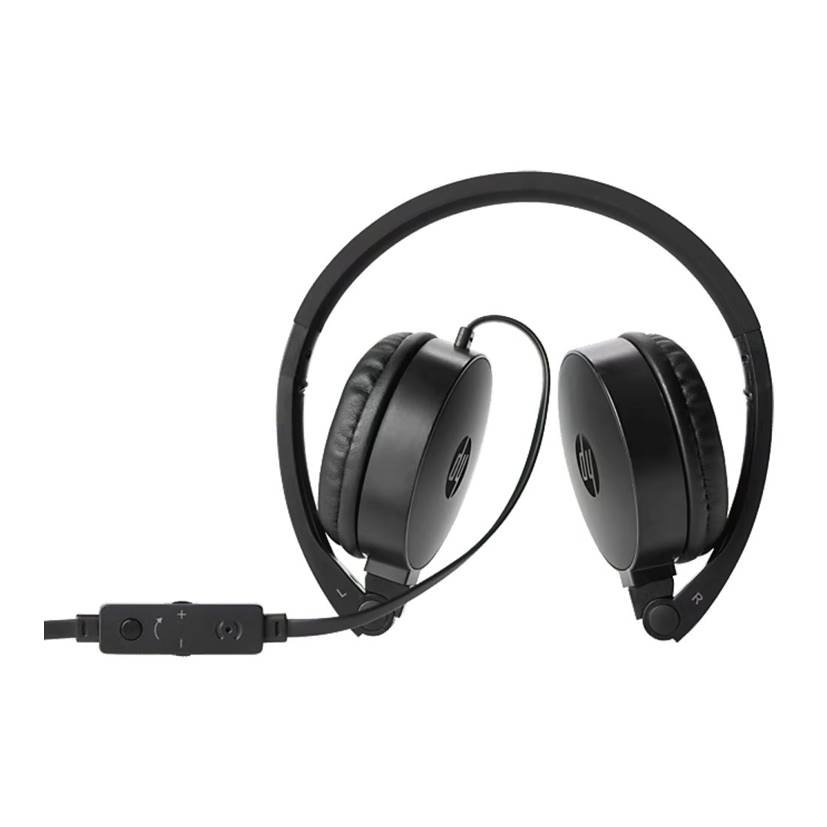
| Headphone Type | On Ear |
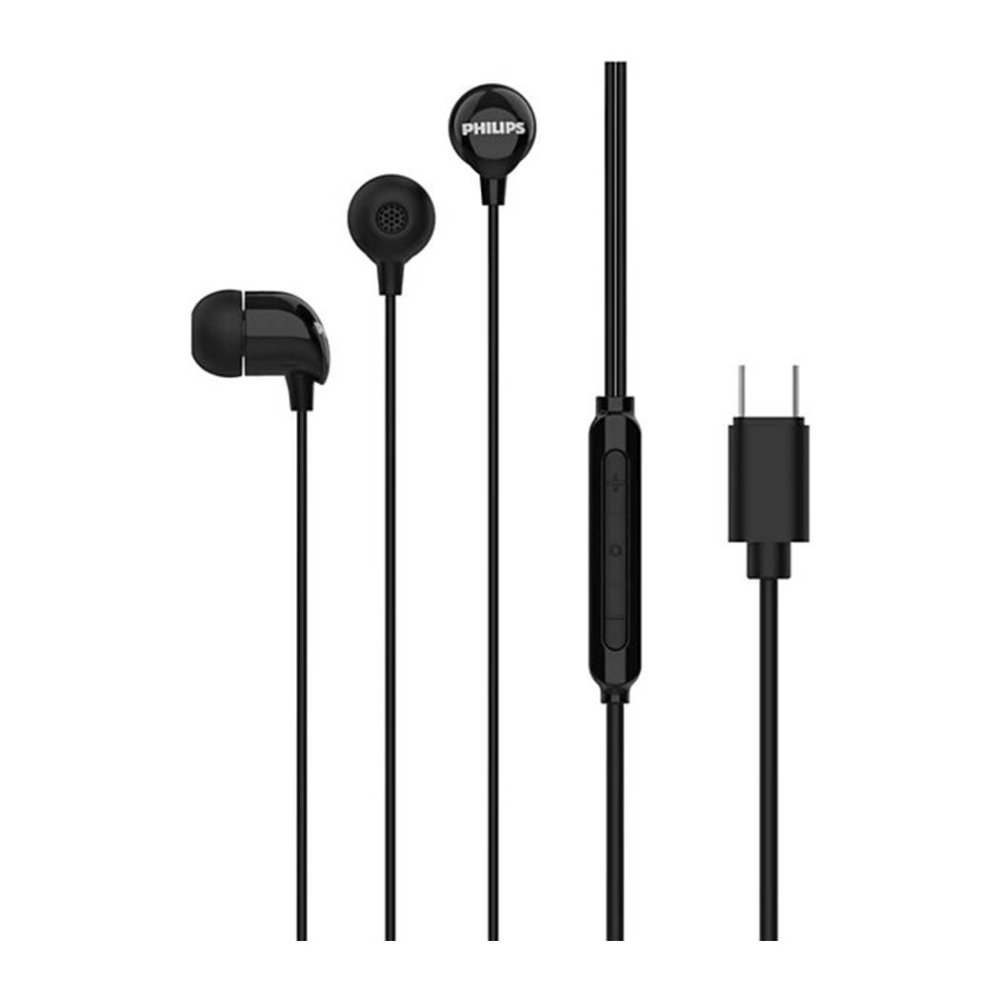
In Ear |
| Magnet Type | Neodymium |
Dynamic |
| Driver Diameter | NA |
10 mm |
| Impedance | NA |
32±10% Ohms |
| Sensitivity | 102dB± 3dB |
104dB ±3dB |
| Frequency Response | 20 Hz - 20000 Hz |
20Hz - 20KHz |
| Maximum Power Input | NA |
5 mW |
| Noise Cancelling | NA |
Sound Isolation |
| Available Colors | Black |
Black |
| Connector Plating | 3.5 mm |
USB Type-C |
| Cable | Detach The 3.5mm Audio Cable |
Rubberised Copper Cable |
| Weight | 160 Gm |
15 GM |
| Other Features | Rest easy with 1-year limited warranty. Pack and go with ease. The foldable design provides for simple storage, while the flat cable helps offset tangling. Plug in and stimulate your senses. Compatible with most computers, tablets, smartphones and MP3 players, with easy to adjust on-ear controls. The latest evolutionary software and features in HP Products to better your experience, performance, businesses and to create positive change. The versatile headset offers an in-line microphone with user-friendly controls for phone calls and volume adjustment, with automatic music muting. |
Enhanced Flexibility : Provides the ideal cable length of 1.2m for freedom of movement.Keep your audio device conveniently placed while enjoying uninterrupted sound. Durable Design With Rubberised Cable Relief : Soft rubber protection between headphones and cable enhances durability.Prevents damage to the cable connection caused by repeated bending. Customizable Fit With Interchangeable Ear Caps : Includes three ear cap sizes (small, medium, large) for a personalized fit.Designed to ensure optimal comfort and secure placement for all ear sizes. Perfect In-Ear Seal For Immersive Sound : Super-small speaker drivers ensure a comfortable fit inside the ear.Snug earbud design blocks external noise, delivering an intense, high-quality listening experience. Hands-Free Calling With Integrated Microphone : Features a built-in microphone and call button for effortless switching between music and calls.Enjoy hands-free convenience while accepting and ending calls directly from your headset.Perfect for seamless connectivity with your mobile phone. |
Advertisement
Compare HP H2800 with:
Compare Philips TAE1159BK with:
Top Differences
- Noise Cancelling: NA vs Sound Isolation
- Driver Size: NA vs 10 mm
- Weight: 160 Gm vs 15 GM
- Impedance: NA Vs 32±10% Ohms
Advertisement