 ALERT
ALERT
Advertisement
| Specification | ||
|---|---|---|
| Price | Rs.5,850.00 |
Rs.5,299.00 |
| Brand | JBL |
Sennheiser |
| Model No | Bassline |
HD 280 Pro |
| Wired / Wireless | Wired Headphone Specification |
Wired Headphone Specification |
| Headphone Type | Over Ear |
Over Ear |
| Magnet Type | Neodymium |
Neodymium |
| Driver Diameter | 40 mm |
NA |
| Impedance | NA |
64 Ohms |
| Sensitivity | 117 dB/mW |
102 dB/mW |
| Frequency Response | 10Hz - 22,000Hz |
8 Hz - 25000 Hz |
| Maximum Power Input | 30 mW |
500 mW |
| Noise Cancelling | NA |
NA |
| Available Colors | Black, White, Blue, Red |
Black |
| Connector Plating | 3.5 mm Gold Plated Jack |
3.5 mm Gold Plated Jack |
| Cable | 1.2 m |
3 m |
| Weight | 499 g |
220 g |
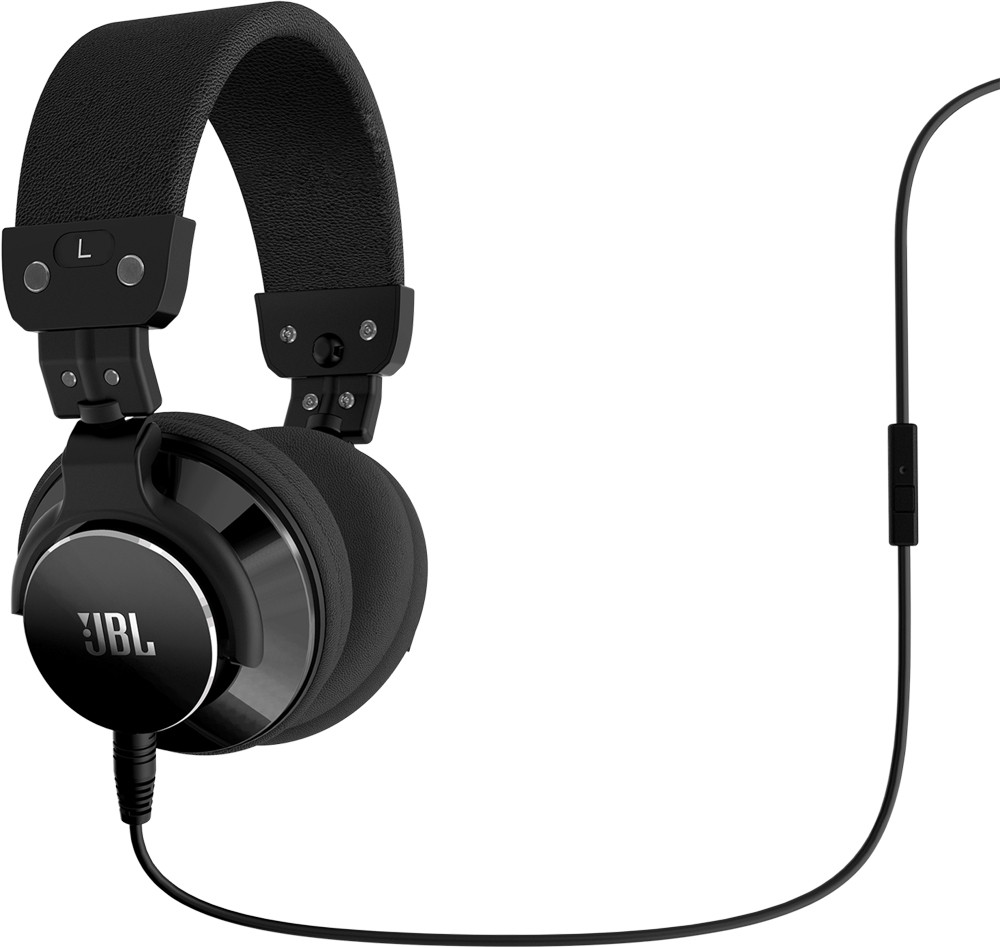
| Other Features | - JBL Bassline is an authentic DJ-style design features dual rotating swivel earcups, you can take in the roar of the crowd in one ear while switching tracks with the other. - Bassline gives you straight cable with in-line mic connects you to portable devices – as well as to your phone. - 40 mm driver featuring high-performance JBL signature sound. - Provocative colour schemes edged with hard, metallic accents. |
- Sided coiled cable - Saving design with collapsible, rotating ear-pieces - Robust construction and excellent shielding - Circumaural headphones designed for professional monitoring applications. |
Advertisement
Compare JBL Bassline with:
Compare Sennheiser HD 280 Pro with:
Top Differences
- Driver Size: 40 mm vs NA
- Weight: 499 g vs 220 g
- Impedance: NA Vs 64 Ohms
Advertisement