 ALERT
ALERT
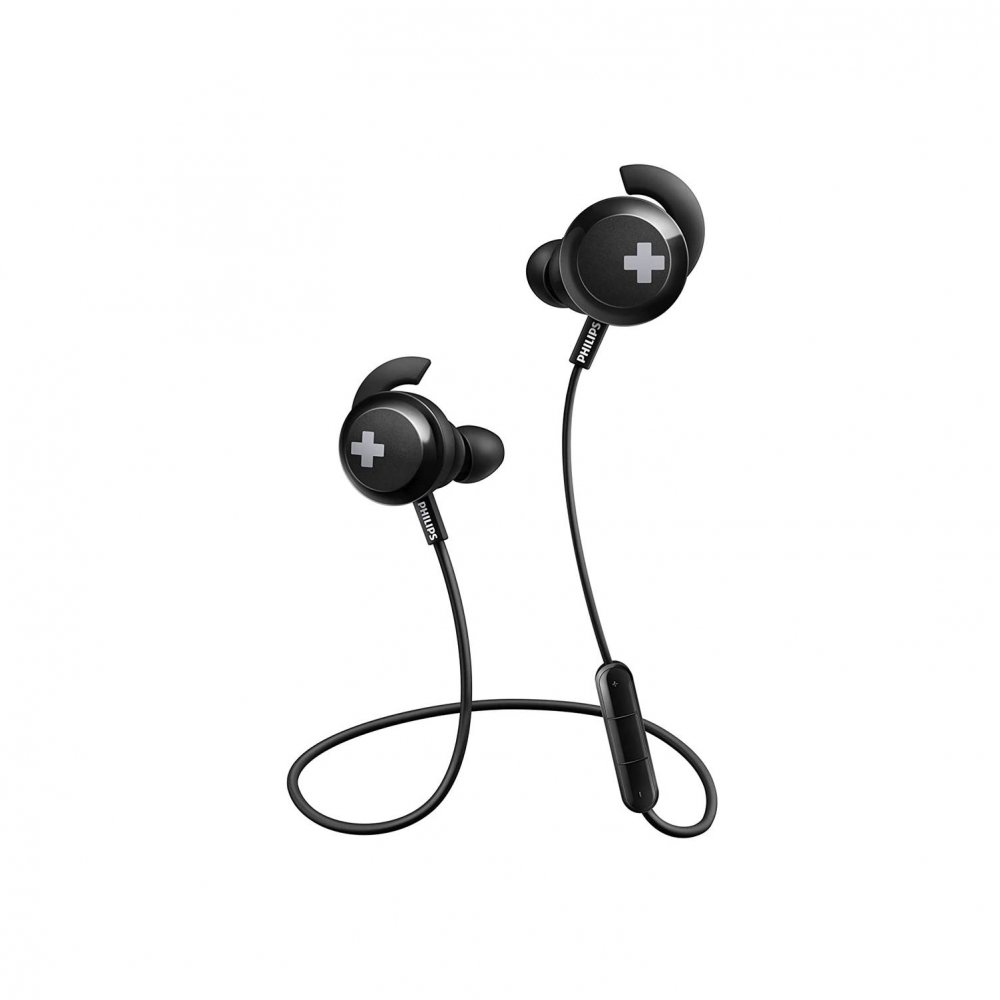
JBL C100TWS vs Philips SHB4305WT/00
Advertisement
| Specification | ||
|---|---|---|
| Price | Rs.3,499.00 |
Rs.3,499.00 |
| Brand | JBL |
Philips |
| Model No | C100TWS |
SHB4305WT/00 |
| Wired / Wireless | Wireless Headphone Specification |
Wireless Headphone Specification |
| Headphone Type | In Ear |
In Ear Canal |
| Magnet Type | Dynamic |
Neodymium |
| Driver Diameter | 5.8 mm |
12.2 mm |
| Impedance | 32 ohm |
32 ohm |
| Sensitivity | 93dB |
107 dB |
| Frequency Response | 20 Hz - 20000 kHz |
9 Hz - 21000 kHz |
| Maximum Power Input | 5 V 0.5 A |
30 mW |
| Wireless / Bluetooth Details | ||
| Wireless Technology | Bluetooth |
Bluetooth |
| Bluetooth Version | 5.0 |
4.1 |
| Compatible Profiles | All Bluetooth Devices |
All Bluetooth Devices |
| Supported Codecs | A2DP, AVRCP, HFP |
A2DP, AVRCP, HSP, HFP |
| Battery Type | Lithium-ion Battery |
Lithium Polymer Batteries |
| Bluetooth Range | 10 Meters |
10 Meters |
| Battery Life | 5 Hours |
6 Hours |
| Charging Time | <2 Hours |
2 Hours |
| Noise Cancelling | NA |
Passive |
| Available Colors | Black, White |
Black, White |
| Connector Plating | No |
NA |
| Cable | USB Charging Cable |
USB Charging Cable |
| Weight | 58 gm |
13 gm |
| Other Features | JBL Pure Bass Sound. Hands-free Stereo Calls. Built-in Alexa and Google Assistant. Bluetooth.5.0 for Seamless Connectivity. Including one click access to Siri and Google Now. 5 Hours Playback for Earbuds + 12 Hours for Charging Case. Quick Charge with 15 min of charging providing 1 Hour of additional playback. Auto Sync function - Pair only the Right earbud and the left automatically pairs. 17 Hours of Combined Playback Time ( 5 Hours on Earbuds & 12 Hours on Charging Case ). Mono-mode Compatibility - Only with Right Earbud, for those who are comfortable with single earbud usage. Simple 2 steps process to restore Factory setting for any troubleshooting like left-bud going mute, Auto-sync etc. |
Great sound isolation. Wing tips for secure fit. Big, bold bass you can feel. Bluetooth wireless technology. Weightless feel, wireless freedom. Powerful 12.2 mm speaker drivers. Ergonomic design for max comfort. Remote control for hands-free calls and music. Rechargeable battery offers up to 6 hours of playtime. |

Advertisement
Compare JBL C100TWS with:
Compare Philips SHB4305WT/00 with:
Top Differences
- Battery Life: 5 Hours vs 6 Hours
- Noise Cancelling: NA vs Passive
- Driver Size: 5.8 mm vs 12.2 mm
- Bluetooth: 5.0 vs 4.1
- Weight: 58 gm vs 13 gm
Advertisement