 ALERT
ALERT
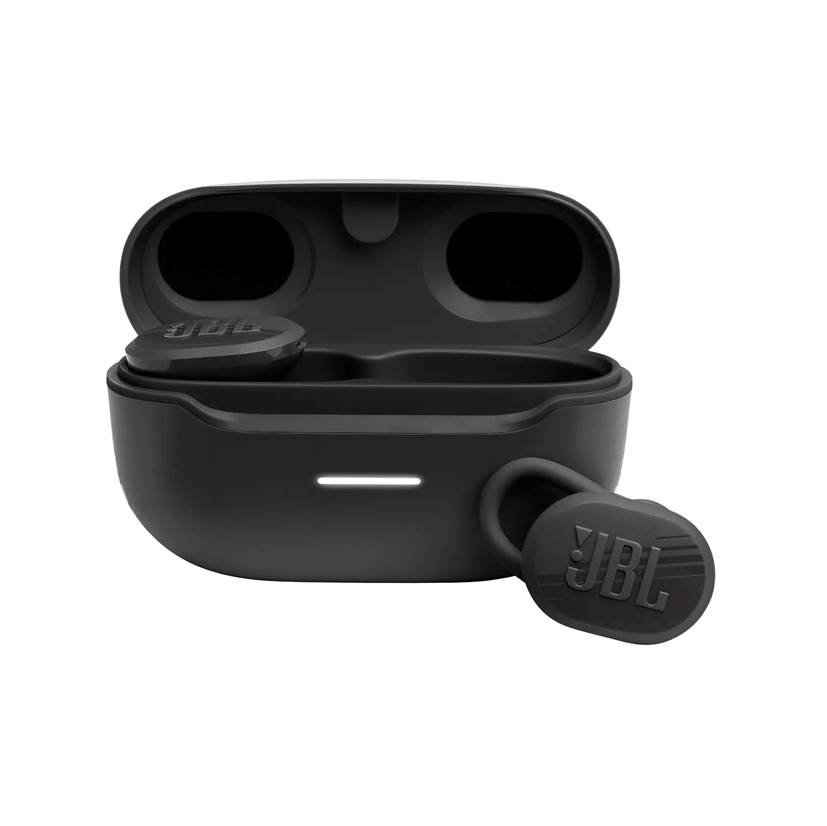
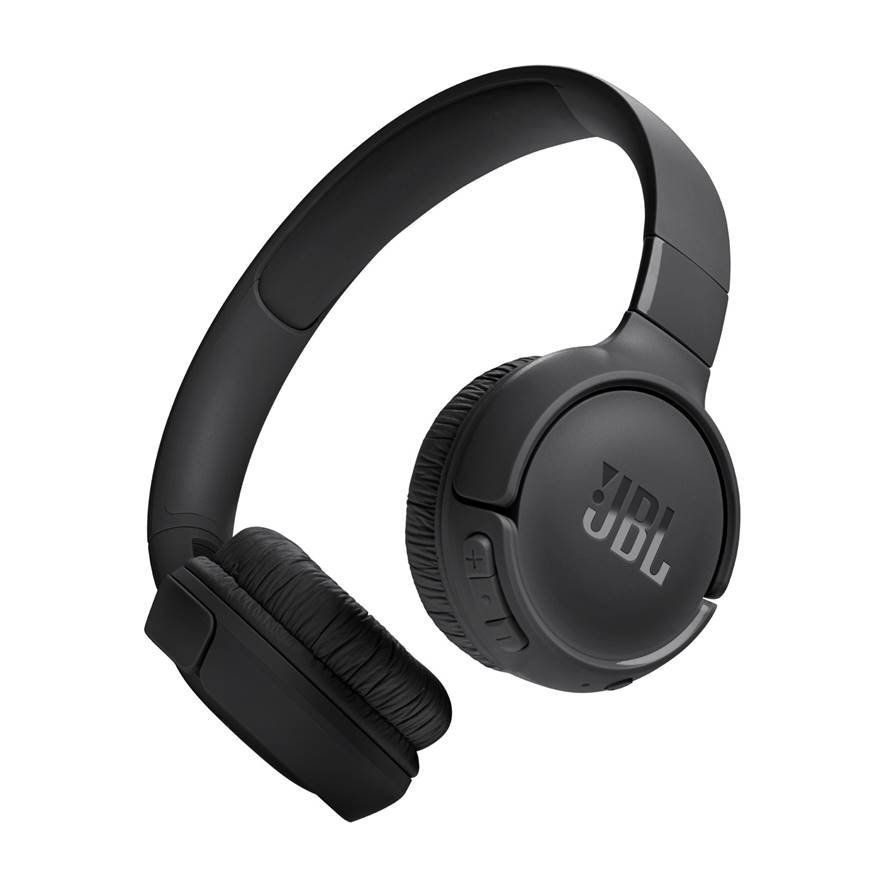
JBL Endurance Race TWS vs JBL Tune 520BT
Advertisement
| Specification | ||
|---|---|---|
| Price | Rs.4,999.00 |
Rs.4,999.00 |
| Brand | JBL |
JBL |
| Model No | Endurance Race TWS |
Tune 520BT |
| Wired / Wireless | Wireless Headphone Specification |
Wireless Headphone Specification |
| Headphone Type | In Ear |
On Ear |
| Magnet Type | Dynamic |
Dynamic |
| Driver Diameter | 6 mm |
33 mm |
| Impedance | 16 Ohm |
30 Ohms |
| Sensitivity | 99 dB SPL |
102 dB SPL@ 1kHz 1mW |
| Frequency Response | 20 Hz - 20000 Hz |
20 Hz - 20KHz |
| Maximum Power Input | 5 V / 1A |
5V 1A |
| Wireless / Bluetooth Details | ||
| Wireless Technology | Bluetooth |
Bluetooth |
| Bluetooth Version | 5.2 |
5.3 |
| Compatible Profiles | All Bluetooth Devices |
All Bluetooth Devices |
| Supported Codecs | A2DP, AVRCP,HFP |
AAC, SBC |
| Battery Type | Lithium-ion Batteries |
Lithium-Ion Batteries |
| Bluetooth Range | 10 Meters |
10 Meters |
| Battery Life | 30 Hours |
57 Hours |
| Charging Time | < 2 Hours |
2 Hours |
| Noise Cancelling | NA |
Passive Noise Cancellation |
| Available Colors | Black |
Black, White, Blue, Purple |
| Connector Plating | NA |
NA |
| Cable | USB Type-C Charging Cable |
USB Type-C Charging Cable |
| Weight | 44.9 Gm |
157 GM |
| Other Features | JBL Pure Bass Sound. Up to 30 hours of battery life. Enhancer and Twistlockâ„¢ design support your active lifestyle. Just 10 minutes of Speed Charge gives you another full hour of playtime. The rugged IP67-certified dust and waterproof design of the JBL Endurance Race TWS earbuds gives you the freedom to stay active and energized from the beach to the boardroom. |
JBL Pure Bass Sound. Up To 57H batteries life and speed charge ( 5 mins = 3 H ). Multipoint connection allows you to quickly switch between two devices at once. Customize your listening experience with JBL Headphones App to tailor the sound to your taste with the EQ. JBL Tune 520BT feature the renowned JBL Pure Bass sound, the same that powers the most famous venues all around the world. Crystal clear hands-free calls with built-in mic with Voice Aware to manage your calls from your headphones with the buttons on the ear-cup. Ask Siri or Hey Google : Siri or Hey Google is just a button away : activate the voice assistant of your device by pushing the multi-function button. With up to 57-hour battery life and quick charging of 5min gives 3Hrs playback, you’ll have enough power for multi-day road trips and long festival weekends. |
Advertisement
Compare JBL Endurance Race TWS with:
Compare JBL Tune 520BT with:
Top Differences
- Battery Life: 30 Hours vs 57 Hours
- Noise Cancelling: NA vs Passive Noise Cancellation
- Driver Size: 6 mm vs 33 mm
- Bluetooth: 5.2 vs 5.3
- Weight: 44.9 Gm vs 157 GM
Advertisement