 ALERT
ALERT
Advertisement
| Specification | ||
|---|---|---|
| Price | Rs.5,999.00 |
Rs.5,999.00 |
| Brand | JBL |
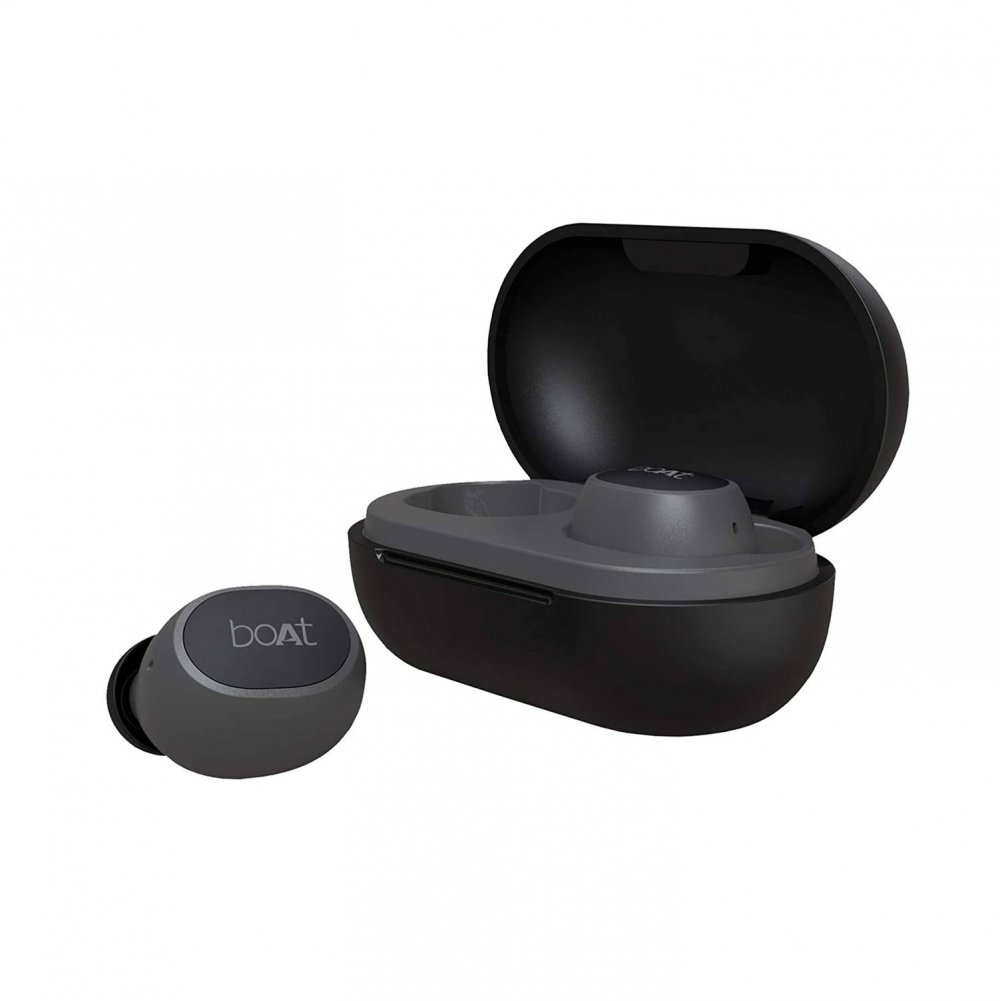
boAt |
| Model No | EVEREST ELITE 150NC |
TRebel Airdopes 171 |
| Wired / Wireless | Wireless Headphone Specification |
Wireless Headphone Specification |
| Headphone Type | Neckband |
In Ear Canal |
| Magnet Type | Dynamic |
Dynamic |
| Driver Diameter | 12 mm |
6 mm |
| Impedance | 16 ohm |
NA |
| Sensitivity | 94dB |
NA |
| Frequency Response | 10 Hz - 22000 kHz |
20 Hz - 20000 Hz |
| Maximum Power Input | 1 mW |
5 V DC |
| Wireless / Bluetooth Details | ||
| Wireless Technology | Bluetooth |
Bluetooth |
| Bluetooth Version | 4.0 |
5.0 + EDR |
| Compatible Profiles | All Bluetooth Devices |
All Bluetooth Devices |
| Supported Codecs | HFP, HSP, AVRCP, A2DP |
HSP, HEP, A2DP, AVRCP |
| Battery Type | Polymer Li-ion Battery |
Lithium Polymer Batteries |
| Bluetooth Range | 10 Meters |
10 Meters |
| Battery Life | 16 Hours |
3 Hours |
| Charging Time | 2 Hours |
2 Hours |
| Noise Cancelling | Adaptive |
NA |
| Available Colors | Grey |
Black, Blue, Grey, Gold |
| Connector Plating | No |
NA |
| Cable | Micro USB charging Cable |
USB Charging Cable |
| Weight | 53 gm |
49.9 gm |
| Other Features | JBL Legendary Pro Audio Sound. Wirelessly enjoy all your music. Siri / Google Now. Adaptive Noise Cancelling. Magnetic cable management Dual echo cancelling microphones. The smartest way to listen to music. 14-hour battery life, recharge in 2 hours. Unlock all the potential of the Everest Elite 150NC, personalizing the headphones settings to your taste. Sculpted ear tips add unprecedented comfort to the listeners’ experience – allowing a longer, more enjoyable experience. The compact and sleek neckband design and the premium, hard carrying case allow maximum portability and protection. Ensures that the headphones remain comfortably secure and tangle-free around your neck when not in use. |
Voice Assistant. ASAP fast charging technology. It has powerful 6mm Drivers for an enthralling playback experience. It has the IPX4 rated shield to offers resistance against water and dust scares. It helps to stay Plugged Into Nirvana for long with up to 3 hours of sound per charge. The TWS earbuds offer easy access multi-function button controls with stereo calling feature. It is recommended to charge the case as well as the earbuds before using them for the very first time. Its 380 mAh Carry cum Charging case ensures up to 3 times the charge for earbuds with up to 10 hours of playback. Boat TRebel Airdopes 171 offers a nonstop playback of up to 3 hours with each charge and an additional 10 hours playtime with the included charging case. |

Advertisement
Compare JBL EVEREST ELITE 150NC with:
Compare boAt TRebel Airdopes 171 with:
Top Differences
- Battery Life: 16 Hours vs 3 Hours
- Noise Cancelling: Adaptive vs NA
- Driver Size: 12 mm vs 6 mm
- Bluetooth: 4.0 vs 5.0 + EDR
- Weight: 53 gm vs 49.9 gm
Advertisement