 ALERT
ALERT
Advertisement
| Specification | ||
|---|---|---|
| Price | Rs.1,500.00 |
Rs.1,600.00 |
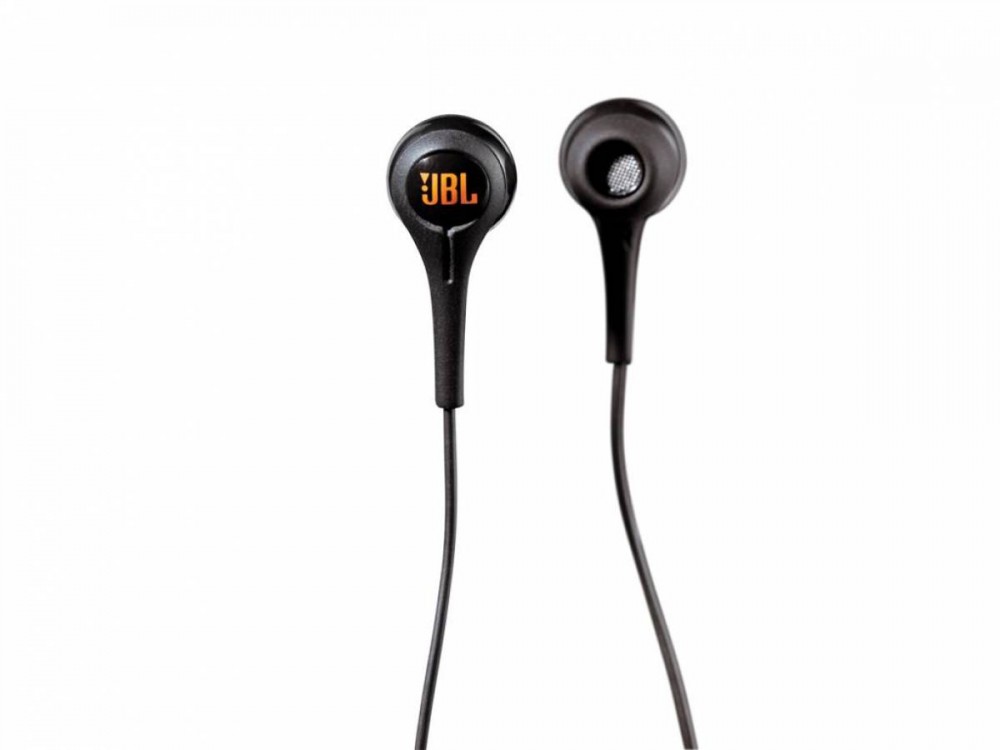
| Brand | JBL |
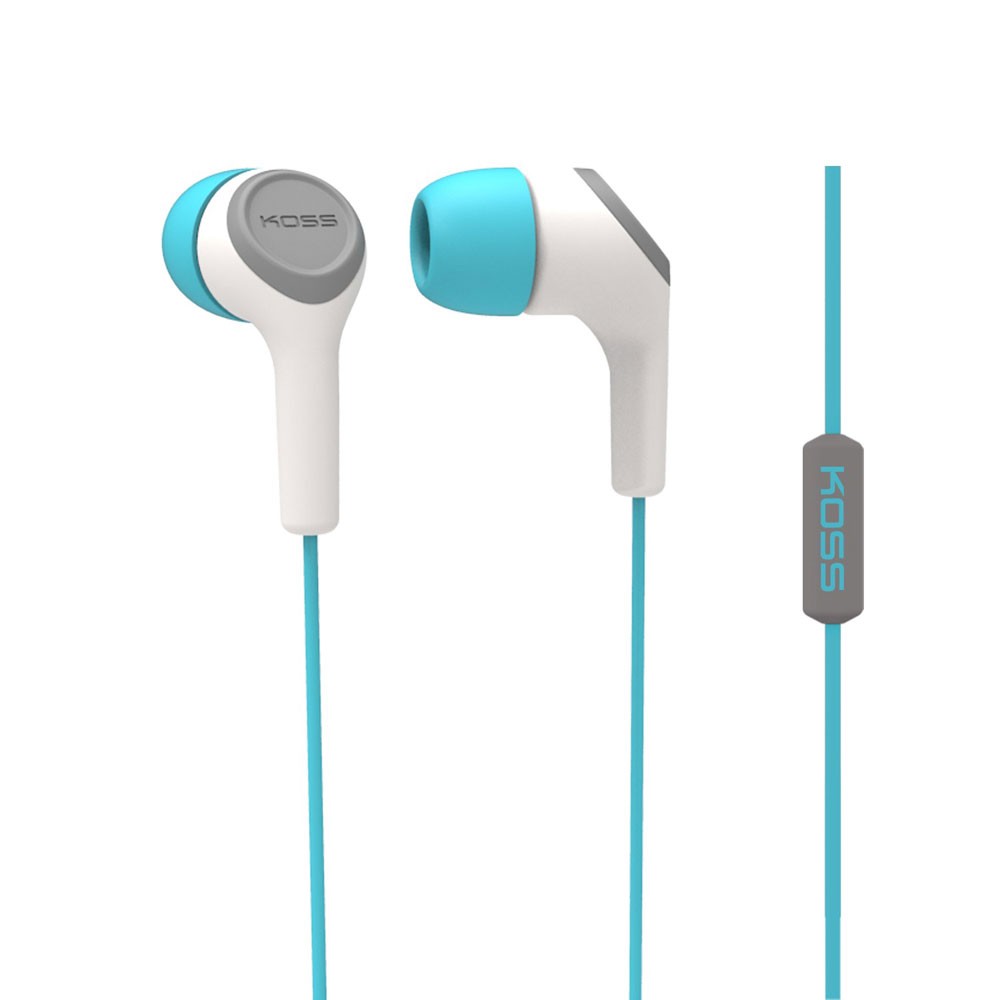
Koss |
| Model No | J01B |
KEB15i |
| Wired / Wireless | Earphone Specification |
Earphone Specification |
| Headphone Type | In Ear Canal |
In Ear Canal |
| Magnet Type | NA |
Neodymium |
| Driver Diameter | 9 mm |
NA |
| Impedance | 16 ohms |
16 Ohms |
| Sensitivity | 96 dB |
110 dB/mW |
| Frequency Response | 20 - 20,000 Hz |
18 Hz -20000 Hz |
| Maximum Power Input | 10 mW |
NA |
| Noise Cancelling | No |
NA |
| Available Colors | Black |
Blue, Red, Green, Pink, Purple |
| Connector Plating | 3.5 mm Gold Plated Plug |
3.5 mm Gold Plated Jack |
| Cable | 1.2 m |
1.2 m |
| Weight | NA |
NA |
| Other Features | - Exceptional bass and smooth vocals - Latex-free silicone sleeves |
- One touch microphone, control your device and answer calls with the Koss one touch microphone - Angled backplate, to easily adjust the unique 45 degree backplate - offset element, ensures the perfect fit at the touch of a finger |
Advertisement
Compare JBL J01B with:
Compare Koss KEB15i with:
Top Differences
- Noise Cancelling: No vs NA
- Driver Size: 9 mm vs NA
Advertisement