 ALERT
ALERT
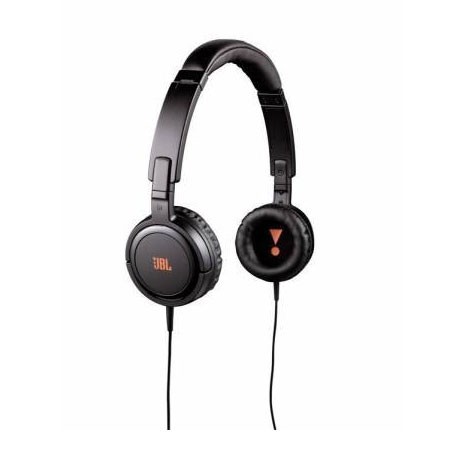
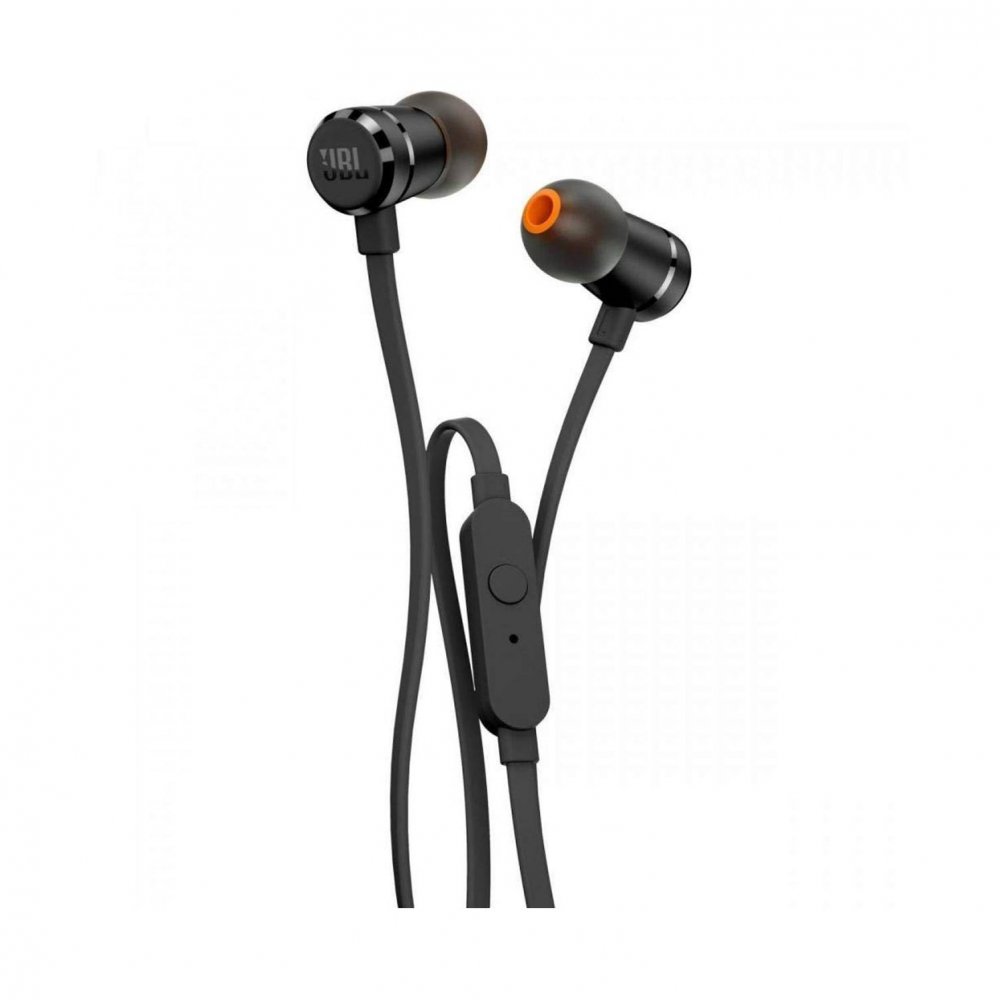
JBL J03B Tempo vs JBL TUNE 290
Advertisement
| Specification | ||
|---|---|---|
| Price | Rs.1,699.00 |
Rs.1,699.00 |
| Brand | JBL |
JBL |
| Model No | J03B Tempo |
TUNE 290 |
| Wired / Wireless | Wired Headphone Specification |
Wired Headphone Specification |
| Headphone Type | On Ear |
In Ear |
| Magnet Type | NA |
Dynamic |
| Driver Diameter | 40 mm |
8.7 mm |
| Impedance | 16 ohms |
16 ohm |
| Sensitivity | 112 dB |
102 ±3dB |
| Frequency Response | 20 - 20,000 Hz |
20 Hz - 20000 kHz |
| Maximum Power Input | 30 mW |
NA |
| Noise Cancelling | No |
NA |
| Available Colors | Black |
Black, White, Gold |
| Connector Plating | 3.5 mm Gold Plated Plug |
3.5 mm |
| Cable | 1.2 m |
Tangle- Free Flat Cable |
| Weight | NA |
71 gm |
| Other Features | - Powerful Clear JBL Sound - Adjustable Padded Headband - Self Adjusting Earcup Alignment - Fold Flat Earcups |
JBL Pure Bass sound. Soft carrying pouch. Premium Aluminium Build. Tangle-free. Boredom-free. One year manufacturer’s warranty One button remote with microphone. Quick Launch Access to Google Assistant / Siri. A flat cable that’s durable and won’t tangle up in knots. The earpiece housing is crafted from aluminium, making it lightweight but rugged. |
Advertisement
Compare JBL J03B Tempo with:
Compare JBL TUNE 290 with:
Top Differences
- Noise Cancelling: No vs NA
- Driver Size: 40 mm vs 8.7 mm
- Weight: NA vs 71 gm
- Impedance: 16 ohms Vs 16 ohm
Advertisement