 ALERT
ALERT
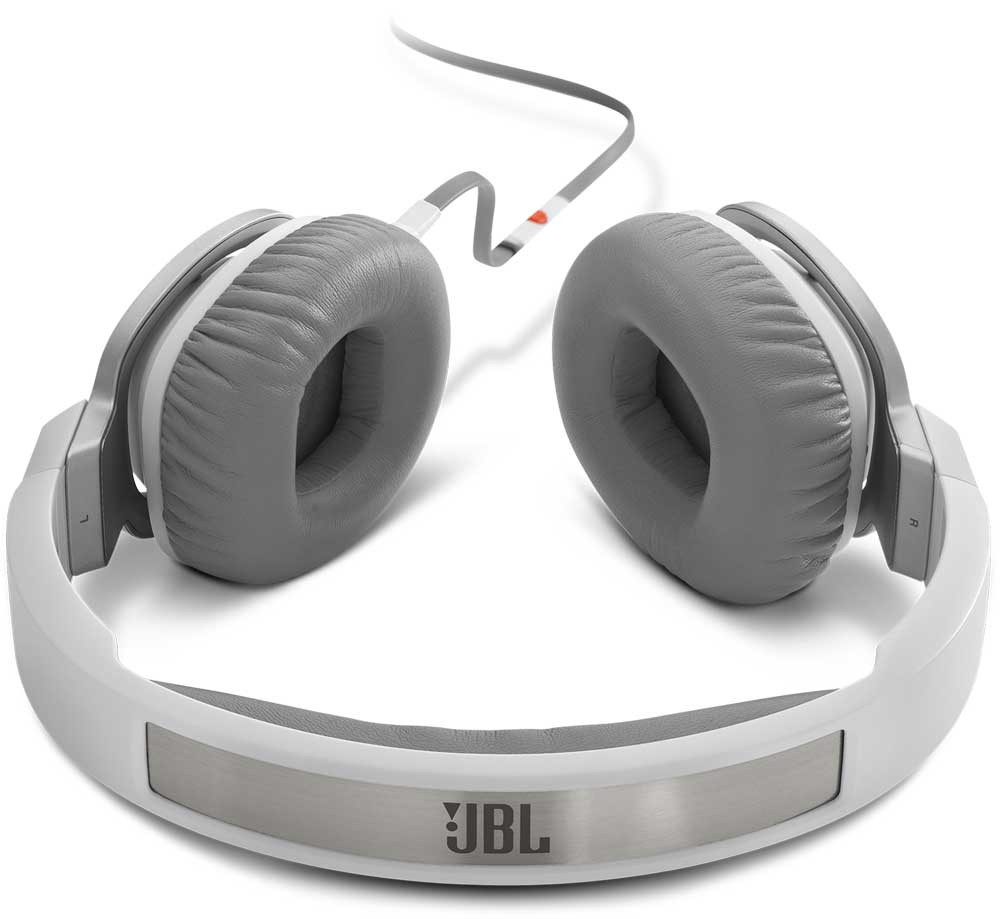
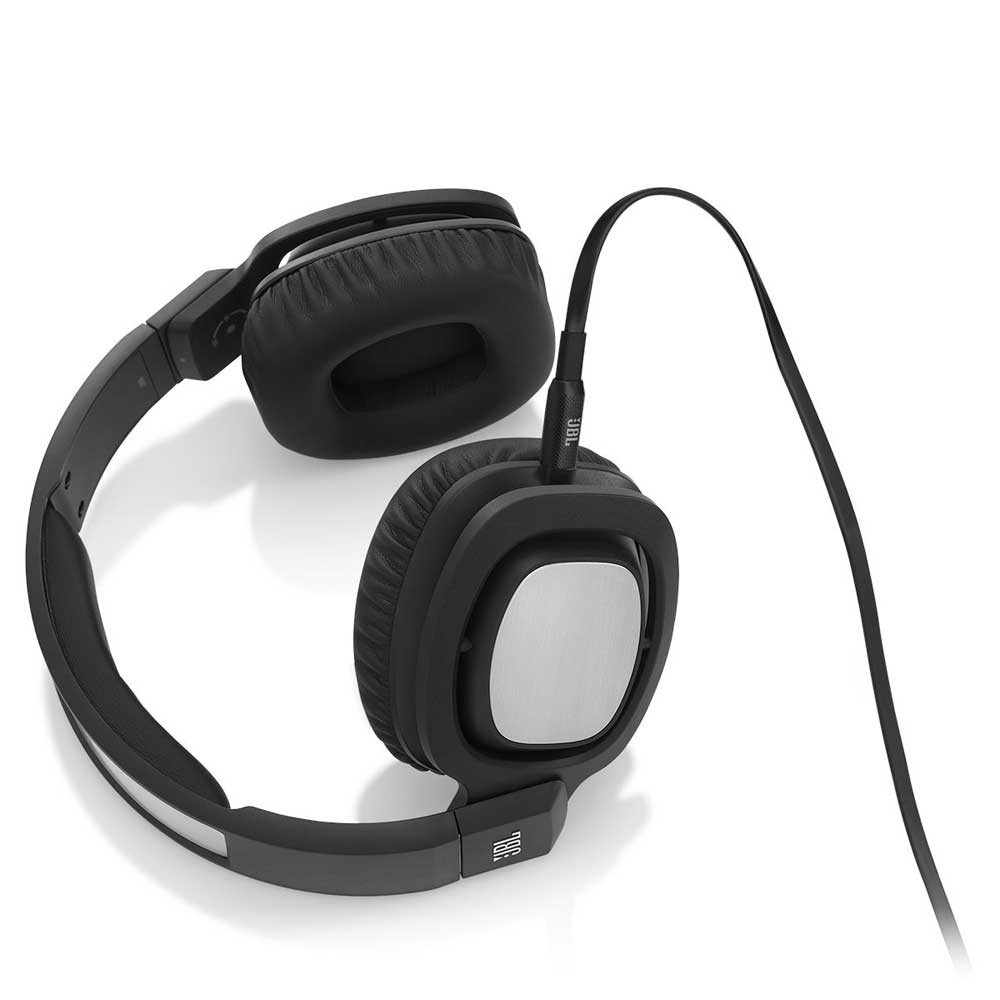
JBL J55i vs JBL J88
Advertisement
| Specification | ||
|---|---|---|
| Price | Rs.4,999.00 |
Rs.5,200.00 |
| Brand | JBL |
JBL |
| Model No | J55i |
J88 |
| Wired / Wireless | Wired Headphone Specification |
Wired Headphone Specification |
| Headphone Type | On Ear |
Over Ear |
| Magnet Type | Neodymium |
Neodymium |
| Driver Diameter | 40 mm |
50 mm |
| Impedance | 40 Ohms |
32 Ohms |
| Sensitivity | NA |
NA |
| Frequency Response | 10Hz - 24,000Hz |
8Hz - 24,000Hz |
| Maximum Power Input | NA |
NA |
| Noise Cancelling | NA |
NA |
| Available Colors | White |
Black |
| Connector Plating | 3.5 mm Gold Plated Jack |
3.5 mm Gold Plated Jack |
| Cable | 1.3 mm |
1.3 mm |
| Weight | NA |
898 g |
| Other Features | - Bold JBL design and premium finishing - Premium, high-performance JBL drivers - Rotating, 180-degree DJ pivot mechanism - Soft leather ear cushions - Closed-back design - Apple three-button remote with built-in microphone - Single-side, detachable cable - Cable-locking mechanism - Rugged strain relief - Gold-plated jack with extension ring - Padded carry pouch |
- Bold JBL design and premium finishing - Premium, high-performance JBL drivers - Rotating, 180-degree DJ pivot mechanism - Soft leather ear cushions - Closed-back design - Single-side, detachable cable - Cable-locking mechanism - Rugged strain relief - Gold-plated jack with extension ring - Padded carry pouch |
Advertisement
Compare JBL J55i with:
Compare JBL J88 with:
Top Differences
- Driver Size: 40 mm vs 50 mm
- Weight: NA vs 898 g
- Impedance: 40 Ohms Vs 32 Ohms
Advertisement