 ALERT
ALERT
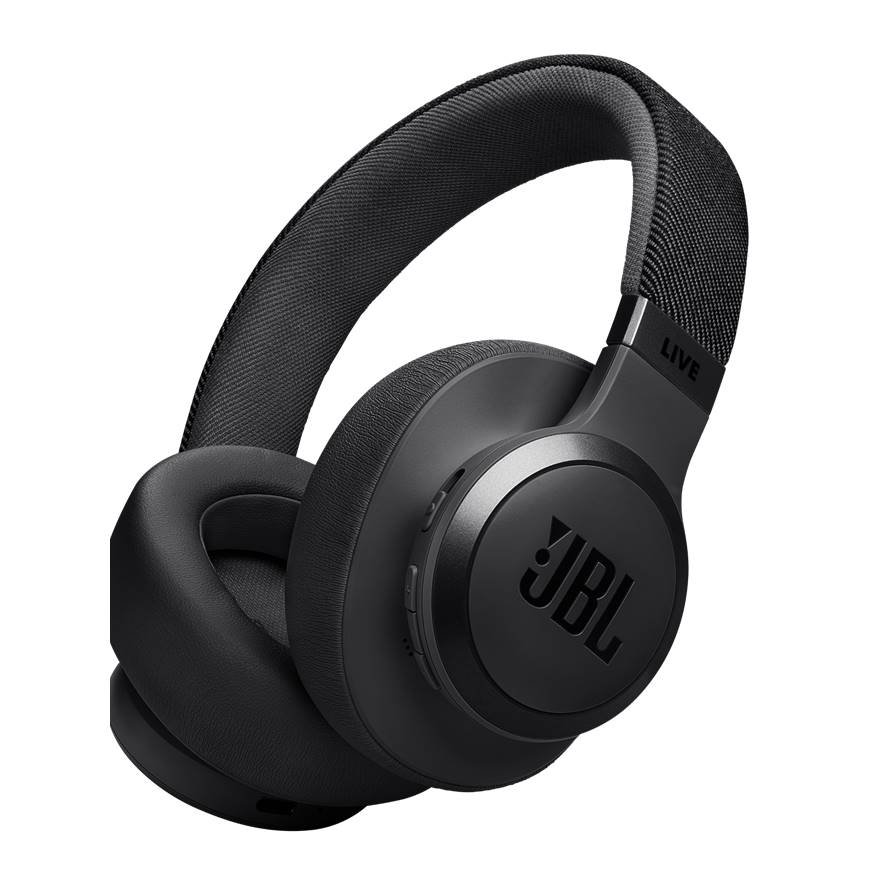
JBL Live 770NC vs Skullcandy Indy Fuel
Advertisement
| Specification | ||
|---|---|---|
| Price | Rs.14,999.00 |
Rs.14,999.00 |
| Brand | JBL |
Skullcandy |
| Model No | Live 770NC |
Indy Fuel |
| Wired / Wireless | Wireless Headphone Specification |
Wireless Headphone Specification |
| Headphone Type | Over Ear |
In Ear |
| Magnet Type | Dynamic |
Dynamic |
| Driver Diameter | 40 mm |
6 mm |
| Impedance | 32 Ohms |
32Ohm±15% |
| Sensitivity | 100dB SPL@ 1kHz 1mW |
99-105dB |
| Frequency Response | 20 Hz - 20KHz, AUX Mode: 20 Hz ~ 40KHz |
20 Hz - 20000 Hz |
| Maximum Power Input | 5V 1A |
NA |
| Wireless / Bluetooth Details | ||
| Wireless Technology | Bluetooth |
Bluetooth |
| Bluetooth Version | 5.3 |
5.0 |
| Compatible Profiles | All Bluetooth Devices |
All Bluetooth Devices |
| Supported Codecs | AAC, SBC |
HSP, HFP, AVRCP, A2DP |
| Battery Type | Lithium-Ion Batteries |
Lithium Polymer Batteries |
| Bluetooth Range | 10 Meters |
10 Meters |
| Battery Life | 70 Hours |
30 Hours |
| Charging Time | 3 Hours |
2 Hours |
| Noise Cancelling | Adaptive Noise Cancelling |
Ambient |
| Available Colors | Black, White, Blue, Gold |
Black, Grey |
| Connector Plating | 3.5 mm Jack |
NA |
| Cable | USB Type-C Charging Cable |
Type-C USB Charging Cable |
| Weight | 256 GM |
57 gm |
| Other Features | Hands-free calls with Voice Aware. Customize your listening experience. Bluetooth 5.3 with LE audio supported (*). JBL Signature Sound and surround sound. Up To 50 hours of Battery Life with ANC ON. Up To 65 hours of Battery Life with ANC OFF. True Adaptive Noise Cancelling with Smart Ambient. Multi-Point Connection helps to pair with two Bluetooth devices at the same time. Up To 65-hour battery life with ultra-fast charging ( 5 min charge for up to 4 hour of playback ). Adaptive Noise Cancelling with adjustable Ambient Aware and Talk Thru to sharpen the surrounding sounds. Hands-free calls with Voice aware, manage your calls from your headphones with the buttons on the ear-cup. JBL Signature Sound : 40mm driver offer immersive JBL Spatial Sound that turns any stereo content from any device into virtual surround sound. Personi-Fi 2.0 helps to customize sound as per your preference. JBL headphones app allows you to customize the EQ, ANC, ambient sound control and more |
Use Either Bud Solo. Wireless Charging Case. Find your Earbuds with Tileâ„¢. Full Media Controls on Each Bud. IP55 Sweat, Water and Dust Resistant. 30 Hours Total Battery + Rapid Charge. Indy Fuel earbuds are resistant to water, sweat and dust. |

Advertisement
Compare JBL Live 770NC with:
Compare Skullcandy Indy Fuel with:
Top Differences
- Battery Life: 30 Hours vs 70 Hours
- Noise Cancelling: Ambient vs Adaptive Noise Cancelling
- Driver Size: 6 mm vs 40 mm
- Bluetooth: 5.0 vs 5.3
- Weight: 57 gm vs 256 GM
Advertisement