 ALERT
ALERT
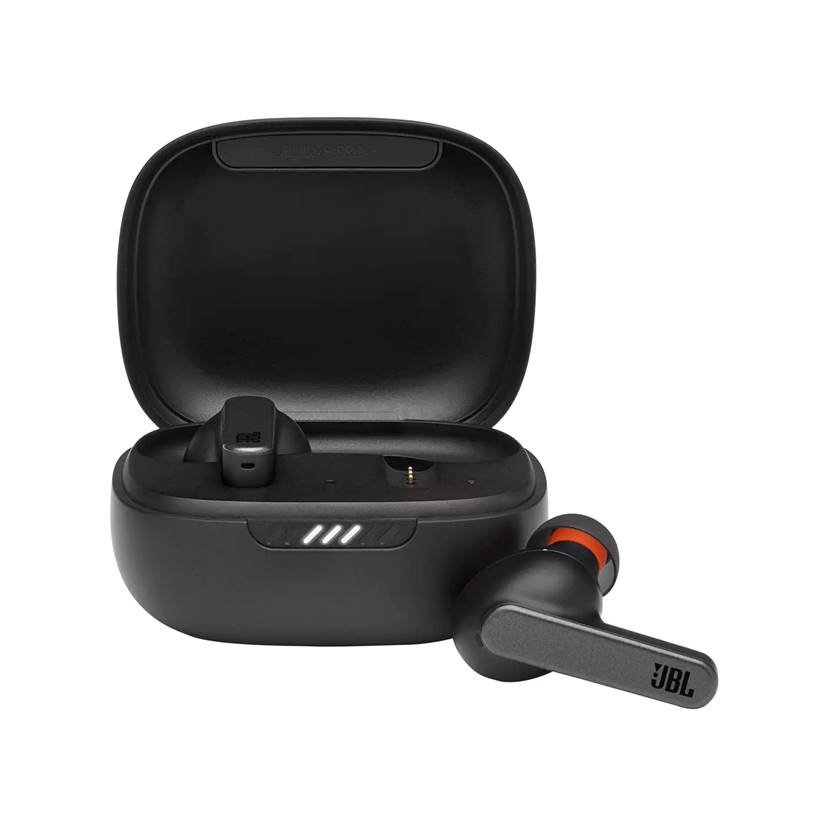
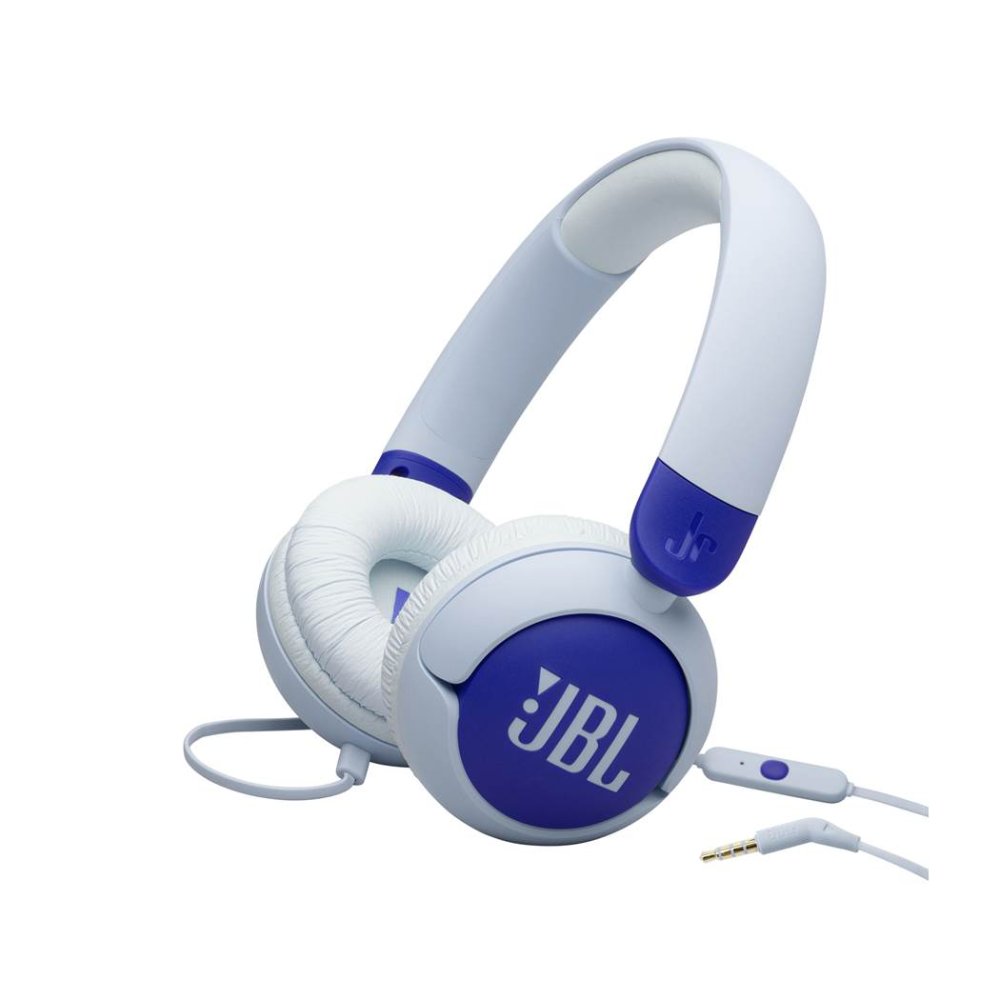
JBL Live Pro+ TWS vs JBL Junior 320
Advertisement
| Specification | ||
|---|---|---|
| Price | Rs.9,999.00 |
Rs.10,064.00 |
| Brand | JBL |
JBL |
| Model No | Live Pro+ TWS |
Junior 320 |
| Wired / Wireless | Wired Headphone Specification |
Wired Headphone Specification |
| Headphone Type | In Ear |
On Ear |
| Magnet Type | Dynamic |
Dynamic |
| Driver Diameter | 11 mm |
32 mm |
| Impedance | 16 Ohm |
34 Ohms |
| Sensitivity | 102 dB SPL |
78dB@1kHz |
| Frequency Response | 20 Hz - 20000 Hz |
20 Hz - 20KHz |
| Maximum Power Input | 5 V / 1A |
NA |
| Noise Cancelling | Adaptive NC |
NA |
| Available Colors | Black, White |
Blue, Purple |
| Connector Plating | NA |
3.5mm Audio Jack |
| Cable | USB Type-C Charging Cable |
Tangle Free Cable |
| Weight | 49.5 Gm |
116.8 GM |
| Other Features | Dual Connect + Sync and Fast Pair. Get help just by using your voice. Voice clarity with 3-mics technology. Water resistant with comfort-secure fit. Adaptive Noise Cancelling with Smart Ambient. Up to 28 hours of battery life, wirelessly charged. JBL Signature Sound for the best audio experience. Make them yours with the My JBL Headphones App. IPX4 certified JBL Live Pro+ TWS headphones are water resistant. |
Ultra Portable : JBL Junior 320 headphones, compact design folds flat so children can easily store in a bag or backpack. JBL Safe sound <85 dB : JBL Junior 320 headphones are designed to never exceed 85 dB, making them safe for children's ears. Make It Yours With JBL Stickers : The plastic-free packaging includes a playful JBL sticker set so kids can personalise their headphones. Built-In Microphone : JBL Junior 320 headphones have a built-in microphone to help your children stay connected to the world. You can talk to teachers while they learn, or chat with friends and family during their downtime. The headband has a 12mm thick soft pad for long wearing comfort. And their round ear cup design with durable, kid-friendly controls provides improved grip and less sound leakage, so kids don't have to turn them louder to compete with outside noise. |
Advertisement
Compare JBL Live Pro+ TWS with:
Compare JBL Junior 320 with:
Top Differences
- Noise Cancelling: Adaptive NC vs NA
- Driver Size: 11 mm vs 32 mm
- Weight: 49.5 Gm vs 116.8 GM
- Impedance: 16 Ohm Vs 34 Ohms
Advertisement