Alert Icon ALERT
Ok Icon
FullSpecs.net Logo
 
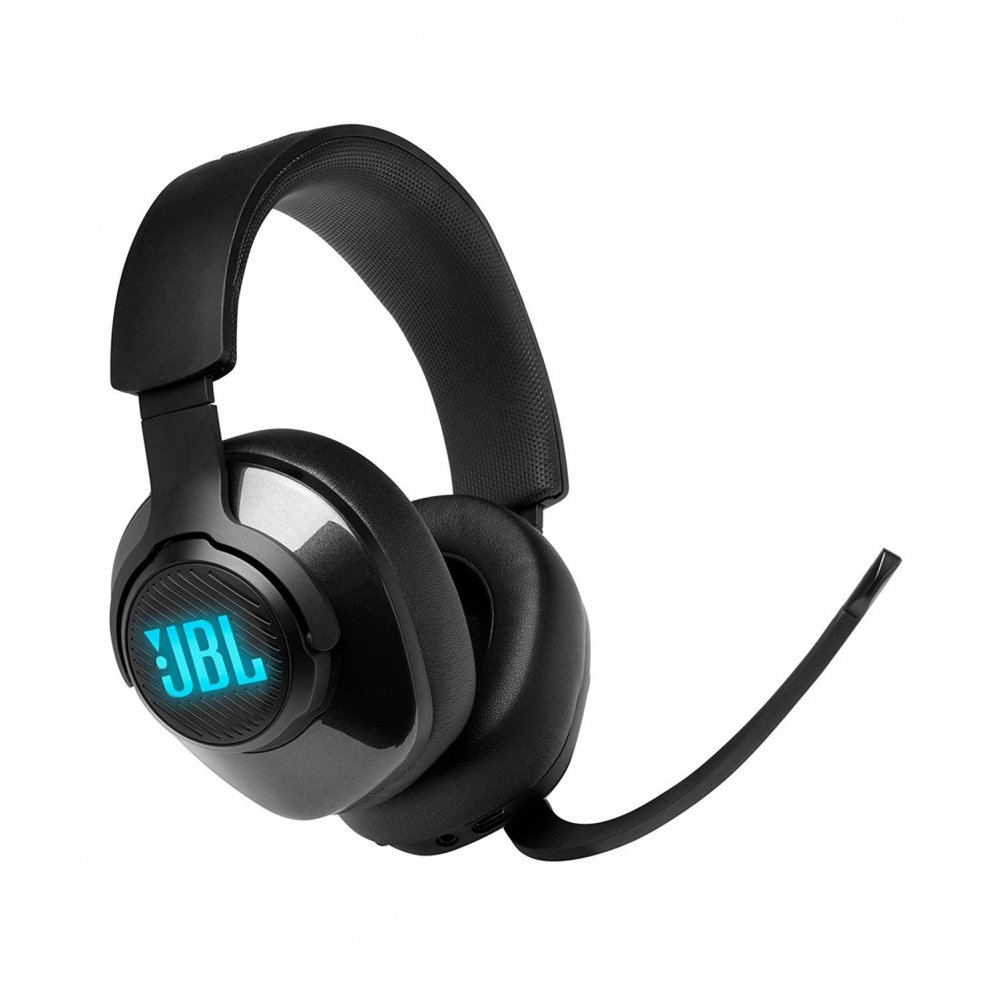
JBL Quantum 400
Rs.7,999.00

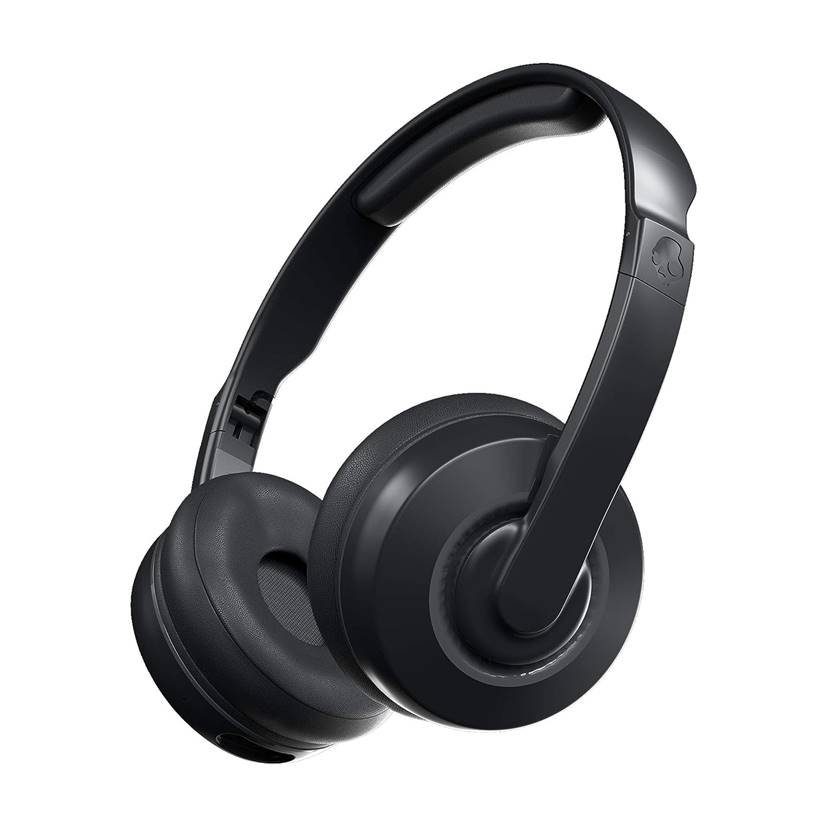
Skullcandy Cassetteâ„¢ Wireless
Rs.7,999.00
Brand
JBL
Skullcandy
Model No
Quantum 400
Cassetteâ„¢ Wireless
Wired / Wireless
Wireless Headphone Specification
Headphone Type
Over Ear
On Ear
 
Magnet Type
Neodymium
Dynamic
Driver Diameter
50 mm
40 mm
Impedance
32 ohm
30 Ohm
Sensitivity
98dB1mW
120-126dB
Frequency Response
20 Hz - 20000 kHz
20 Hz - 20000 Hz
Maximum Power Input
30 mW
1 mW
Noise Cancelling
NA
NA
 
Wireless Technology
Bluetooth
Bluetooth Version
5.0
Compatible Profiles
All Bluetooth Devices
Supported Codecs
HSP, HFP, AVRCP, A2DP
Battery Type
Lithium Polymer Batteries
Bluetooth Range
10 Meters
Battery Life
34 Hours
Charging Time
2 Hours
 
Available Colors
Black
Black, Blue, Grey, Purple
Connector Plating
3.5 mm
3.5 mm AUX
Cable
Type-C To Type-A Cable
USB Type-C Charging Cable
Weight
274 gm
147 Gm
Other Features
Live the game with JBL QuantumSURROUNDTM and DTS.
JBL QuantumSOUND Signature gives you a true audio edge.
Play even longer in memory foam comfort.
Voice focus directional flip-up boom microphone.
Game-chat dial for seamless communication.
Made for your favorite platforms.
User-friendly JBL QuantumENGINE PC software suite.
Collapsible Design
Plush On-Ear Cushions.
Durable Metal Headband. 
Bluetooth® Wireless Technology.
Up To 22 Hours of Battery + Rapid Charge.
Microphone, Call, Track and Volume Control.
Get 22 Hours of playtime from a full charge. Plus, 2.5 hours with a 10-minute Rapid Charge means Cassette is always good to go.

Compare JBL Quantum 400 with:

Compare Skullcandy Cassetteâ„¢ Wireless with:

Key Differences

Both models support modern Bluetooth connectivity, ensuring stable wireless performance with compatible devices. Both headphones offer solid battery performance, making them suitable for long listening sessions and travel. If you're comparing JBL Quantum 400 and Skullcandy Cassetteâ„¢ Wireless, both models offer a strong combination of sound performance, comfort, and modern wireless features. The driver size differs between the two (50 mm vs 40 mm), which can influence sound depth, bass response, and overall audio clarity. Overall, both headphones are feature-rich and cater to users looking for a combination of sound quality, comfort, and wireless convenience. Impedance levels vary (32 ohm vs 30 Ohm), which can affect compatibility and audio output when used with different devices. Both models feature noise cancellation, helping reduce background noise for a more immersive listening experience. The frequency response differs (20 Hz - 20000 kHz vs 20 Hz - 20000 Hz), which can influence how well the headphones reproduce lows, mids, and highs. There is a noticeable difference in weight (274 gm vs 147 Gm), which may affect comfort during extended use.

Verdict: Both headphones offer strong performance, and the right choice depends on your priorities such as battery life, comfort, and noise cancellation.

Top Differences

  • Driver Size: 50 mm vs 40 mm
  • Weight: 274 gm vs 147 Gm
  • Impedance: 32 ohm vs 30 Ohm