Alert Icon ALERT
Ok Icon
FullSpecs.net Logo
 
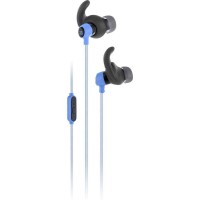
JBL Reflect Mini Blue
Rs.1,990.00

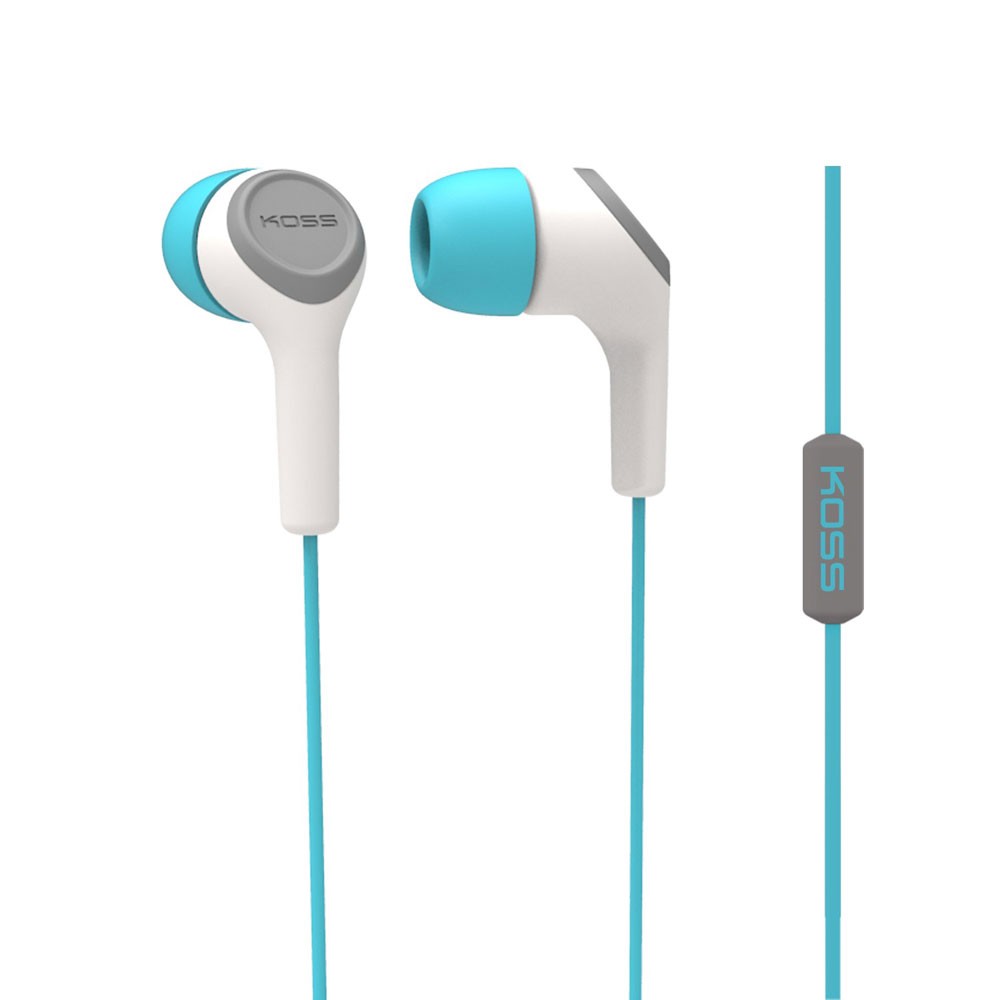
Koss KEB15i
Rs.1,600.00
Brand
JBL
Koss
Model No
Reflect Mini Blue
KEB15i
Wired / Wireless
Earphone Specification
Headphone Type
In Ear
In Ear Canal
 
Magnet Type
Neodymium
Neodymium
Driver Diameter
5.8 mm
NA
Impedance
32 Ohms
16 Ohms
Sensitivity
105 dB/mW
110 dB/mW
Frequency Response
20 Hz - 20000 Hz
18 Hz -20000 Hz
Maximum Power Input
NA
NA
Noise Cancelling
NA
NA
 
Available Colors
Blue
Blue, Red, Green, Pink, Purple
Connector Plating
3.5 mm Gold Plated Jack
Cable
1.1 m
1.2 m
Weight
NA
NA
Other Features
- Angled Ear-Tips
- Universal 1 button remote/mic
- Highly Reflective Cable
- One touch microphone, control your device and answer calls with the Koss one touch microphone
- Angled backplate, to easily adjust the unique 45 degree backplate
- offset element, ensures the perfect fit at the touch of a finger

Compare JBL Reflect Mini Blue with:

Compare Koss KEB15i with:

Key Differences

Overall, both headphones are feature-rich and cater to users looking for a combination of sound quality, comfort, and wireless convenience. The frequency response differs (20 Hz - 20000 Hz vs 18 Hz -20000 Hz), which can influence how well the headphones reproduce lows, mids, and highs. Both headphones are designed for comfort and can be used for extended listening sessions without major discomfort. Impedance levels vary (32 Ohms vs 16 Ohms), which can affect compatibility and audio output when used with different devices. Both models support modern Bluetooth connectivity, ensuring stable wireless performance with compatible devices. Both headphones offer solid battery performance, making them suitable for long listening sessions and travel. Both models feature noise cancellation, helping reduce background noise for a more immersive listening experience. If you're comparing JBL Reflect Mini Blue and Koss KEB15i, both models offer a strong combination of sound performance, comfort, and modern wireless features. The driver size differs between the two (5.8 mm vs NA), which can influence sound depth, bass response, and overall audio clarity.

Verdict: Both models are competitive, and your decision should be based on your usage needs and preferred features.

Top Differences

  • Driver Size: 5.8 mm vs NA
  • Impedance: 32 Ohms vs 16 Ohms