 ALERT
ALERT
JBL SoundGear Sense vs Sennheiser RS 195
Advertisement
| Specification | ||
|---|---|---|
| Price | Rs.34,817.00 |
Rs.34,990.00 |
| Brand | JBL |
Sennheiser |
| Model No | SoundGear Sense |
RS 195 |
| Wired / Wireless | Wireless Headphone Specification |
Wireless Headphone Specification |
| Headphone Type | Neckband |
Over Ear |
| Magnet Type | Dynamic |
Dynamic, Neodymium |
| Driver Diameter | 16.2 mm |
NA |
| Impedance | 32 Ohms |
32 ohm |
| Sensitivity | 112dB SPL@1 kHz |
117 dB/mW |
| Frequency Response | 20 Hz - 20KHz |
17 Hz - 22000 Hz |
| Maximum Power Input | 5V 1A |
9 V |
| Wireless / Bluetooth Details | ||
| Wireless Technology | Bluetooth |
Bluetooth |
| Bluetooth Version | 5.3 |
NA |
| Compatible Profiles | All Bluetooth Devices |
All Bluetooth Devices |
| Supported Codecs | AAC, SBC |
NA |
| Battery Type | Lithium-Ion Batteries |
Nickel Metal Hydride Batteries |
| Bluetooth Range | 10 Meters |
100 Meters |
| Battery Life | 24 Hours |
18 Hours |
| Charging Time | 2 Hours |
8.5 Hours |
| Noise Cancelling | NA |
Active |
| Available Colors | Black, White |
Black |
| Connector Plating | NA |
3.5 mm Stereo |
| Cable | USB Type-C Charging Cable |
Optical Cable |
| Weight | 13.1 GM |
340 gm |
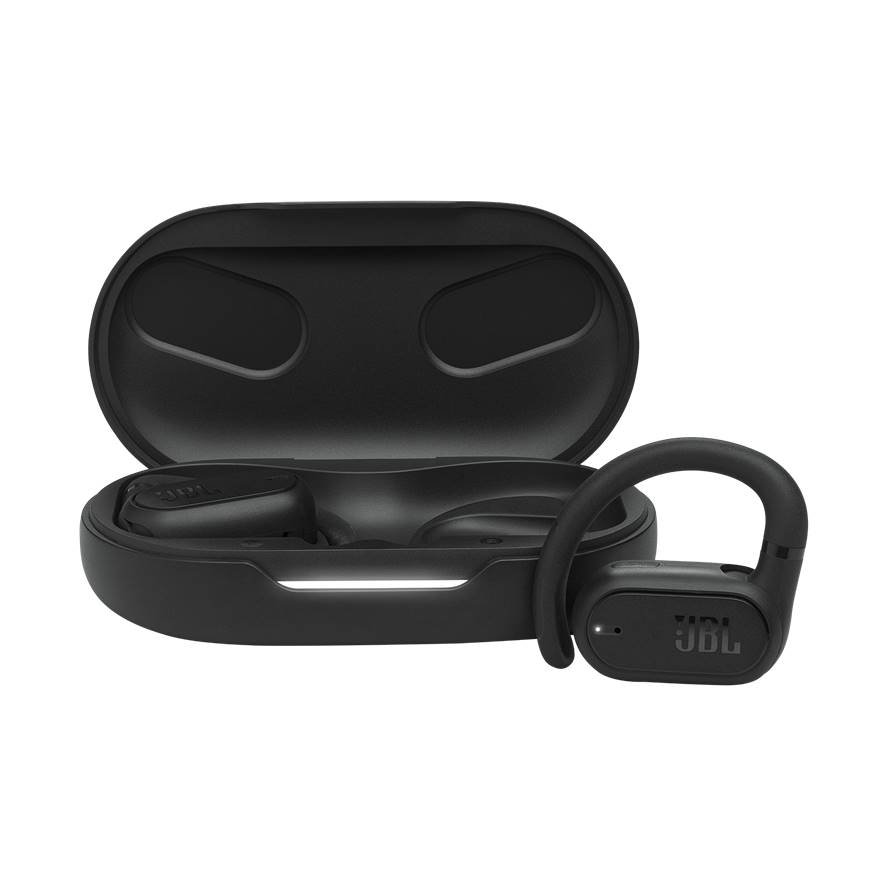
| Other Features | IP54 Water and dust resistant. Up To 24 hours of music playback. Type-C USB cable—a quick 15-minute charge gives you 4 additional hours of music. The JBL Soundgear Sense earbuds are rated IP54 dust proof and splash proof. So a gust of wind on a dusty trail or a quick summer shower won't even slow you down. The adjustable earhooks offer comfort and stability for all-day use. Going for a run? The included neckband provides an even more secure fit so you won't lose an earbud while you're working out. For long-lasting fun, listen wirelessly for up to 6 hours and get another 18 from the charging case. If you're in a hurry, use the convenient Type-C USB cable—a quick 15-minute charge gives you 4 additional hours of music. Two smartly designed 16.2mm drivers - one per each earbud - feature a unique bass enhancing algorithm, providing an amazing no compromise sound experience with punchy bass and pure sound. Enjoy every beat while hearing the world around you. Experience JBL Soundgear Sense : Enjoy natural sound with minimal leakage: Its OpenSound tech directs sound waves to your ears, reducing dispersion. Resting comfortably on your ears, it lets you hear your audio and surroundings without any obstruction. |
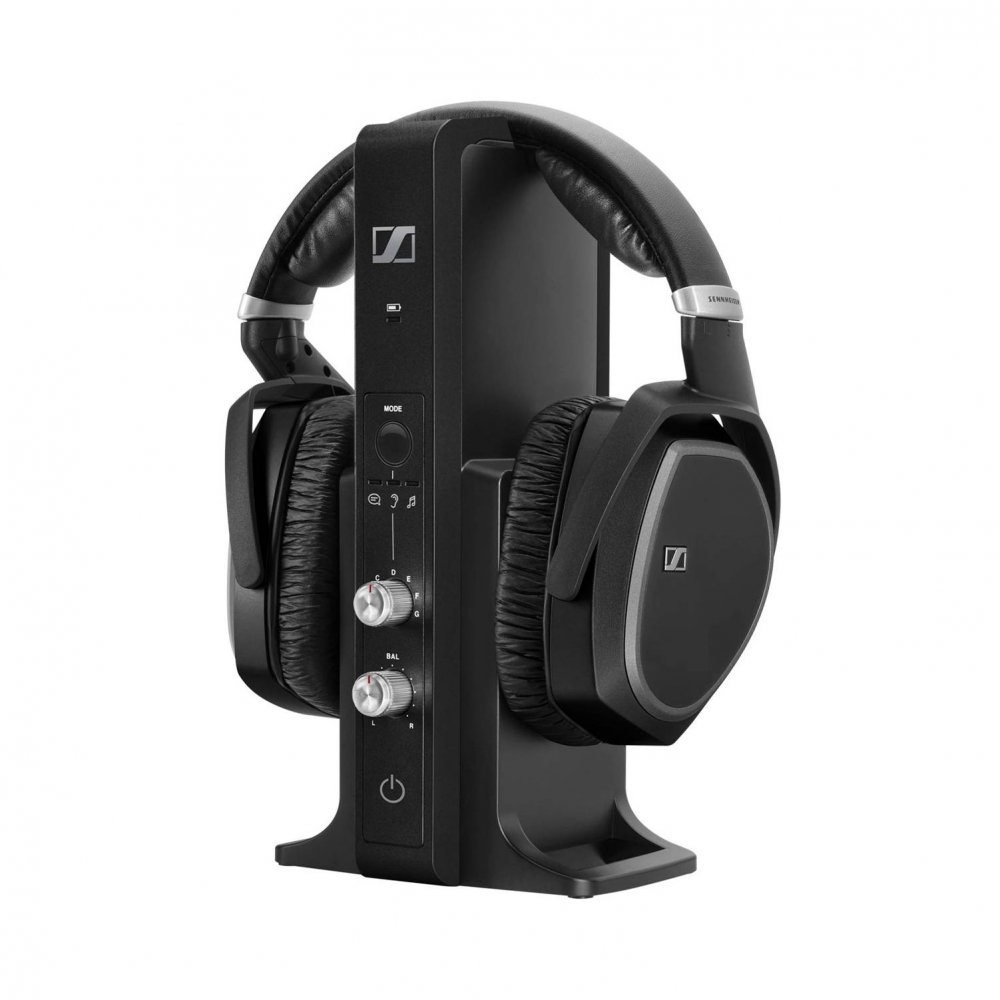
Balance control for right/left volume adjustment. Closed back, circumaural headphone system with excellent digital wireless audio transmission delivering range up to 328ft / 100m ( line of sight ). Selectable hearing boost presets with an additional noise suppression mode for clearer dialogues and superior speech intelligibility. Music listening mode for increased dynamic range. Multi-purpose transmitter supports both Digital and Analog Inputs in addition Automatic and Manual Level Control - also functions as 'easy-charge' cradle and docking station for the headphones. |
Advertisement
Compare JBL SoundGear Sense with:
Compare Sennheiser RS 195 with:
Top Differences
- Battery Life: 18 Hours vs 24 Hours
- Noise Cancelling: Active vs NA
- Driver Size: NA vs 16.2 mm
- Bluetooth: NA vs 5.3
- Weight: 340 gm vs 13.1 GM
Advertisement