 ALERT
ALERT
JBL Synchros Reflect BT vs JBL TUNE 125TWS
Advertisement
| Specification | ||
|---|---|---|
| Price | Rs.7,300.00 |
Rs.7,499.00 |
| Brand | JBL |
JBL |
| Model No | Synchros Reflect BT |
TUNE 125TWS |
| Wired / Wireless | Wireless Headphone Specification |
Wireless Headphone Specification |
| Headphone Type | In Ear |
In Ear |
| Magnet Type | Neodymium |
Dynamic |
| Driver Diameter | 8.5 mm |
5.8 mm |
| Impedance | 32 Ohms |
14 ohm |
| Sensitivity | 107 dB/mW |
96dB |
| Frequency Response | 10 Hz - 22000 Hz |
20 Hz - 20000 kHz |
| Maximum Power Input | NA |
5 V 1.0 A |
| Wireless / Bluetooth Details | ||
| Wireless Technology | Bluetooth |
Bluetooth |
| Bluetooth Version | 4.0 |
5.0 |
| Compatible Profiles | NA |
All Bluetooth Devices |
| Supported Codecs | NA |
A2DP, AVRCP, HFP |
| Battery Type | NA |
Lithium-ion Battery |
| Bluetooth Range | NA |
10 Meters |
| Battery Life | 5 Hrs |
8 Hours |
| Charging Time | NA |
2 Hours |
| Noise Cancelling | NA |
NA |
| Available Colors | Black, Blue, Red, Green |
Black, White, Blue, Green, Grey, Gold |
| Connector Plating | NA |
No |
| Cable | NA |
Type-C USB Charging Cable |
| Weight | 16 g |
73 gm |
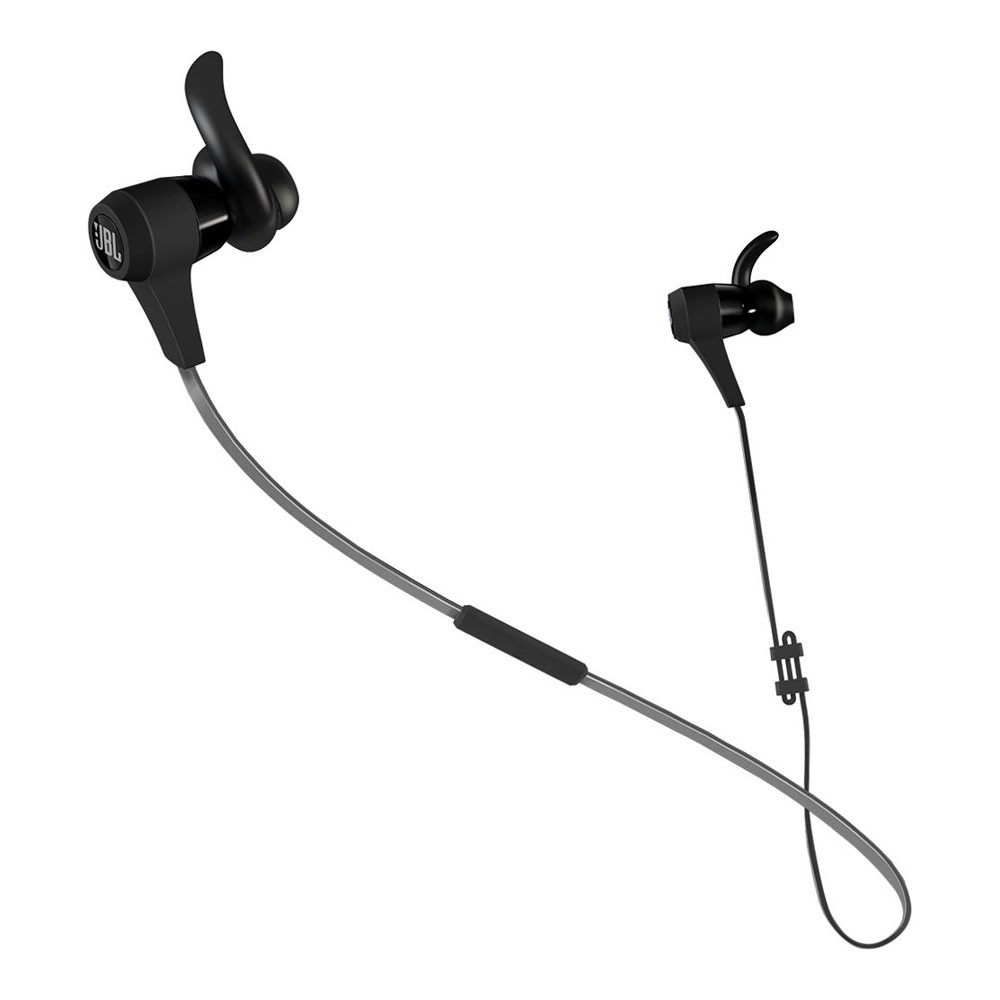
| Other Features | - Bluetooth®-enabled wireless connectivity - Reflective cord design and retractable tether - Ergonomic ear-tips and angled ear pieces - Cable management system with serious attraction - Universal remote control/mic - Groundbreaking JBL-quality sound - Sweat-Proof |
JBL Pure Bass Sound. Feel The Bass. Listen For Longer. Freedom From Wires. Hands Free Call. Remote control on ear cups? True Wireless with Seamless Connectivity via Bluetooth 5.0. 32 Hours of Combined Playback ( 8 Hrs on Earbuds & 24 Hours on Charging Case ). Fast Pair Technology Autoconnects your Android Device to your Earbuds the Second you take them out of the case. Dual Connect with Independent Earbud Connection allowing a Stable Connection apart from Mono Calls & Music on Either Bud. |

Advertisement
Compare JBL Synchros Reflect BT with:
Compare JBL TUNE 125TWS with:
Top Differences
- Battery Life: 5 Hrs vs 8 Hours
- Driver Size: 8.5 mm vs 5.8 mm
- Bluetooth: 4.0 vs 5.0
- Weight: 16 g vs 73 gm
- Impedance: 32 Ohms Vs 14 ohm
Advertisement