 ALERT
ALERT
JBL Synchros Reflect BT vs Skullcandy EcoBudsâ„¢ Sustainable True Wireless Earbuds
Advertisement
| Specification | ||
|---|---|---|
| Price | Rs.7,300.00 |
Rs.7,199.00 |
| Brand | JBL |
Skullcandy |
| Model No | Synchros Reflect BT |
EcoBudsâ„¢ Sustainable True Wireless Earbuds |
| Wired / Wireless | Wireless Headphone Specification |
Wireless Headphone Specification |
| Headphone Type | In Ear |
In Ear |
| Magnet Type | Neodymium |
Dynamic |
| Driver Diameter | 8.5 mm |
6 mm |
| Impedance | 32 Ohms |
16 Ohms |
| Sensitivity | 107 dB/mW |
105dB ± 3dB |
| Frequency Response | 10 Hz - 22000 Hz |
20Hz - 20KHz |
| Maximum Power Input | NA |
5 V 2A |
| Wireless / Bluetooth Details | ||
| Wireless Technology | Bluetooth |
Bluetooth |
| Bluetooth Version | 4.0 |
5.2 |
| Compatible Profiles | NA |
All Bluetooth Devices |
| Supported Codecs | NA |
AAC |
| Battery Type | NA |
Lithium-Ion Batteries |
| Bluetooth Range | NA |
10 Meters |
| Battery Life | 5 Hrs |
8 Hours |
| Charging Time | NA |
2 Hours |
| Noise Cancelling | NA |
Sound Isolation |
| Available Colors | Black, Blue, Red, Green |
Blue |
| Connector Plating | NA |
NA |
| Cable | NA |
USB Type-C Charging Cable |
| Weight | 16 g |
32 GM |
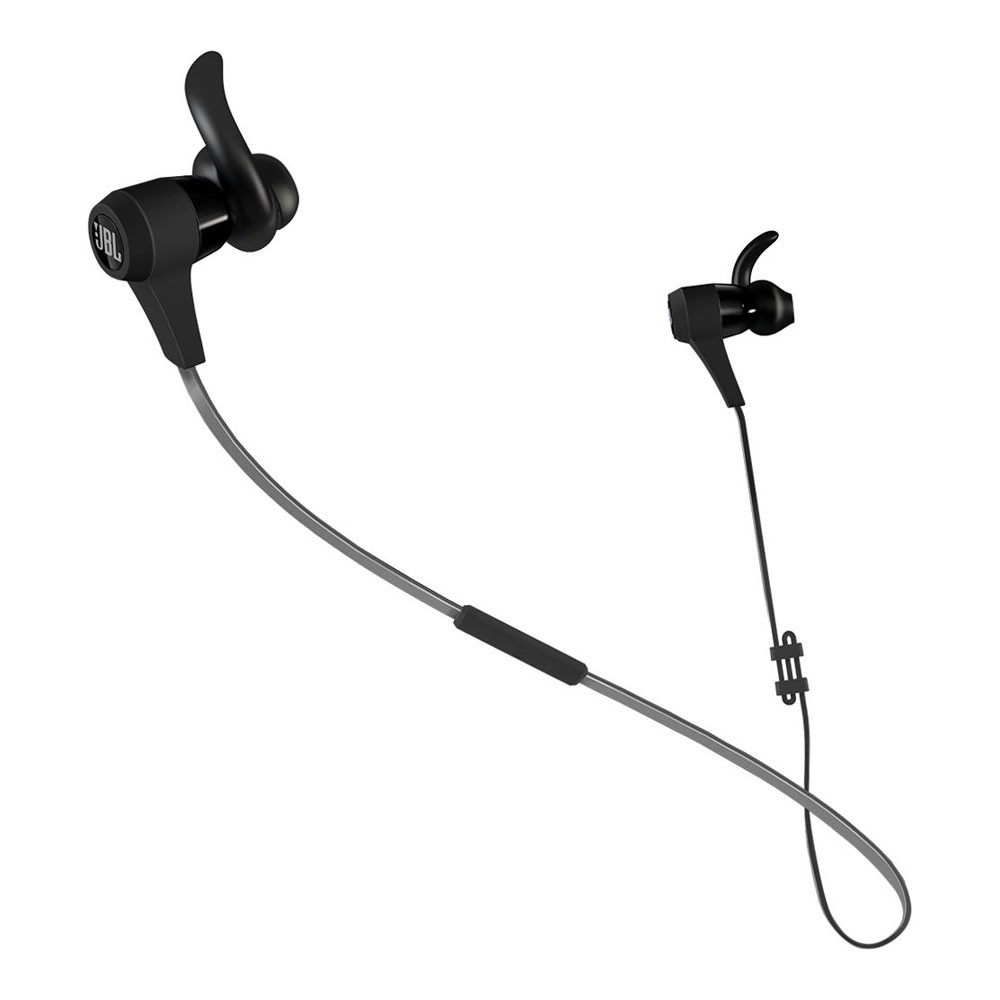
| Other Features | - Bluetooth®-enabled wireless connectivity - Reflective cord design and retractable tether - Ergonomic ear-tips and angled ear pieces - Cable management system with serious attraction - Universal remote control/mic - Groundbreaking JBL-quality sound - Sweat-Proof |
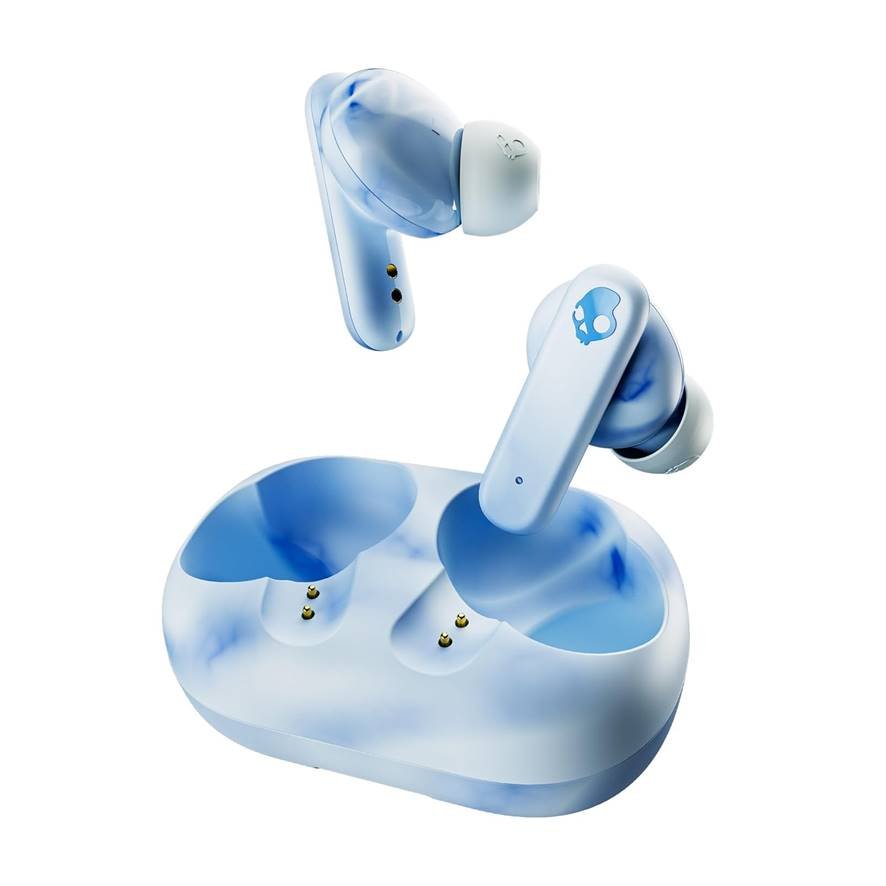
Auto on/connect. Noise isolating fit. Use either bud solo. 8 Hours total battery. Reverse charge from phone. Battery-free charging dock. IPX4 sweat & water resistant. Rapid Charge 10 min = 2 hours. Touch controls: call, track, volume. Buy with Confidence - 1 year warranty included. 3 preset EQ modes ( Music, Bass Boost, Podcast ). When fully charged, EcoBuds gives you all-day listening with a 8 hours of playtime in the earbuds. EcoBuds are designed and manufactured with 65% recycled plastics, and, like every Skullcandy product, packaging is 100% recyclable. Enhance your listening experience by tuning your buds for any type of media content using EcoBuds' 3 preset EQ modes - Music, Bass Boost and Podcast. EcoBuds' battery-free charging dock highly reduces its total carbon footprint. Instead, charge directly from your phone using the integrated USB-C charging cable. A quick 10 minute charge gives you 2 hours of listening time. |
Advertisement
Compare JBL Synchros Reflect BT with:
Compare Skullcandy EcoBudsâ„¢ Sustainable True Wireless Earbuds with:
Top Differences
- Battery Life: 5 Hrs vs 8 Hours
- Noise Cancelling: NA vs Sound Isolation
- Driver Size: 8.5 mm vs 6 mm
- Bluetooth: 4.0 vs 5.2
- Weight: 16 g vs 32 GM
Advertisement