 ALERT
ALERT
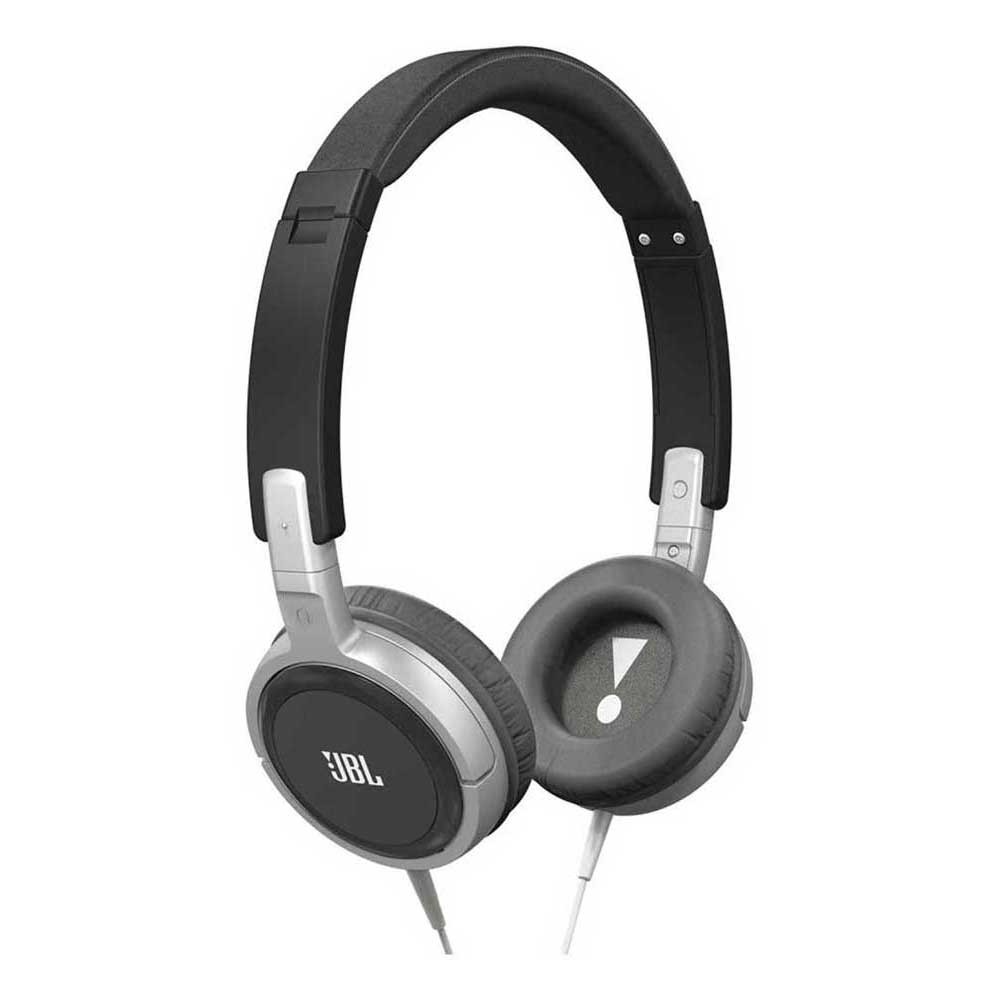
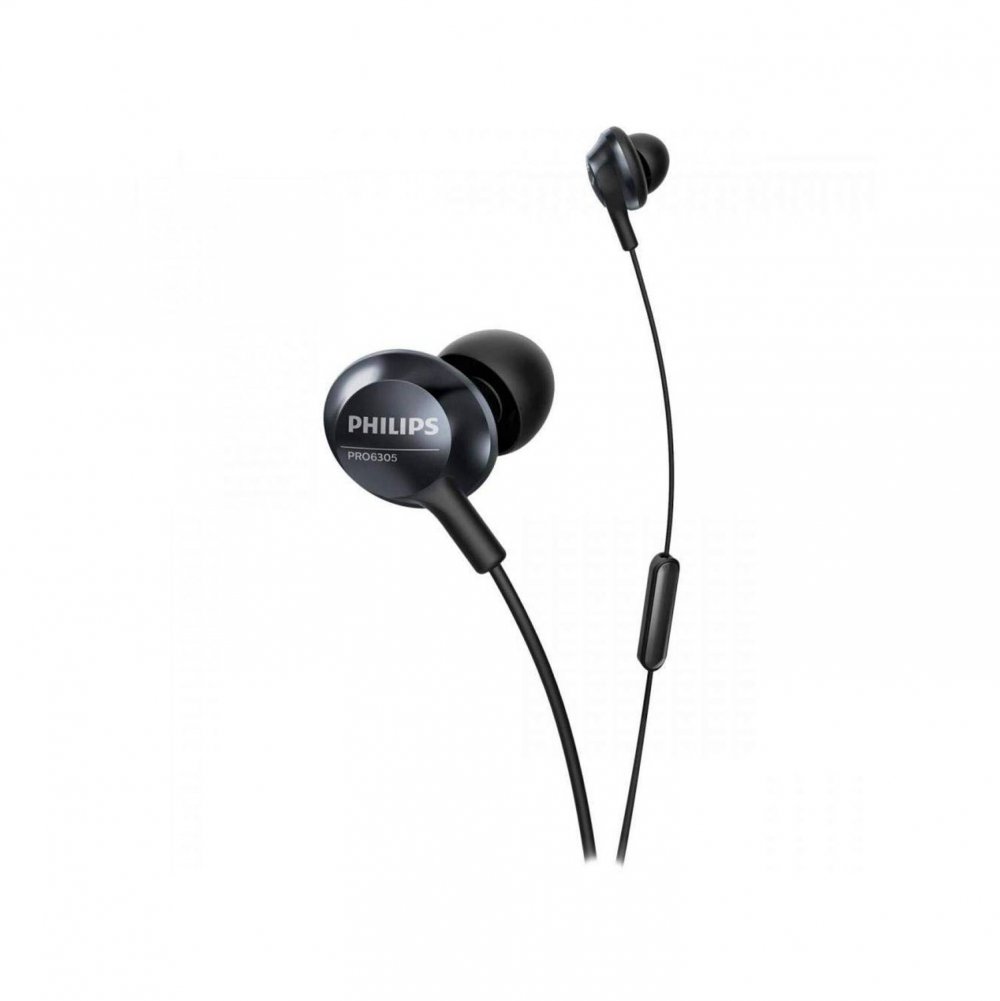
JBL T300A vs Philips PRO6305BK/00
Advertisement
| Specification | ||
|---|---|---|
| Price | Rs.2,500.00 |
Rs.2,499.00 |
| Brand | JBL |
Philips |
| Model No | T300A |
PRO6305BK/00 |
| Wired / Wireless | Wired Headphone Specification |
Wired Headphone Specification |
| Headphone Type | On Ear |
In Ear Canal |
| Magnet Type | Neodymium |
Neodymium |
| Driver Diameter | 40 mm |
12.2 mm |
| Impedance | 32 Ohms |
16 ohm |
| Sensitivity | 112 dB/mW |
109 dB |
| Frequency Response | 20 Hz - 22,000 Hz |
7 Hz - 40000 kHz |
| Maximum Power Input | 30 mW |
NA |
| Noise Cancelling | NA |
Passive |
| Available Colors | Black, White, Blue, Red |
Black |
| Connector Plating | 3.5 mm Gold Plated Jack |
3.5 mm Gold-Plated Jack |
| Cable | 1.2 |
Tangle Resistant Cable |
| Weight | 508 g |
20 gm |
| Other Features | - JBL T300A is lightweight for on-the-go listening. - T300A has single button remote/mic - Exciting color combinations - Fold-flat, closed-back ear cups |
Earphones for your on-the-go lifestyle. 3 ear cap sizes for a personalized and perfect fit. Built-in mic with echo cancellation for clear audio. In-line mic and pick up button for easy conversation. Vacuum metallization for luxurious metallic finishing. Passive noise isolation for better sound at lower volume. Sleek ergonomic design that fits securely and comfortably. High resolution audio reproduces music in its purest form. 12.2 mm neodymium drivers for exceptional sound performance. Built-in controls and microphone allow users to switch from music to phone calls in an instant. |
Advertisement
Compare JBL T300A with:
Compare Philips PRO6305BK/00 with:
Top Differences
- Noise Cancelling: NA vs Passive
- Driver Size: 40 mm vs 12.2 mm
- Weight: 508 g vs 20 gm
- Impedance: 32 Ohms Vs 16 ohm
Advertisement