 ALERT
ALERT
Advertisement
| Specification | ||
|---|---|---|
| Price | Rs.1,649.00 |
Rs.1,599.00 |
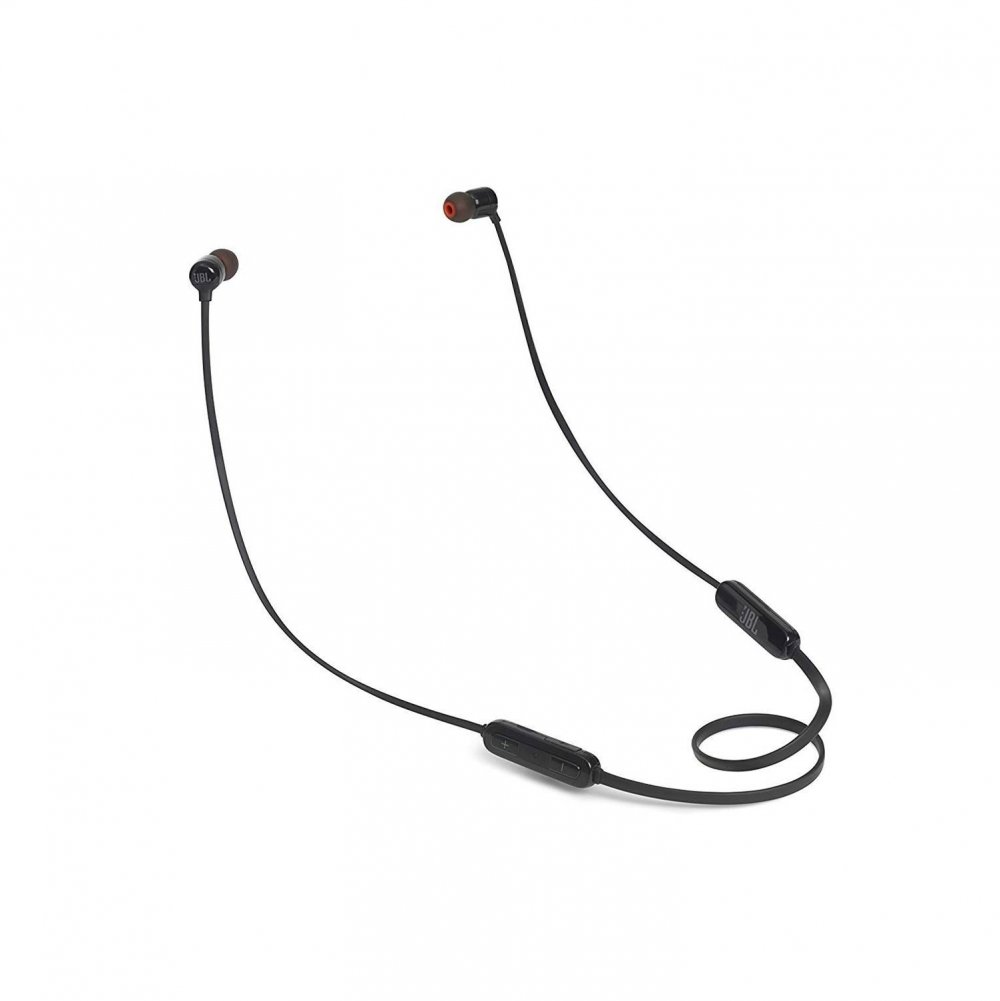
| Brand | JBL |
boAt |
| Model No | TUNE 160BT |
Airdopes 183 |
| Wired / Wireless | Wireless Headphone Specification |
Wireless Headphone Specification |
| Headphone Type | In Ear |
In Ear |
| Magnet Type | Dynamic |
Dynamic |
| Driver Diameter | 8.6 mm |
10 mm |
| Impedance | 16 ohm |
NA |
| Sensitivity | 96dB |
NA |
| Frequency Response | 20 Hz - 20000 kHz |
20 Hz - 20000 Hz |
| Maximum Power Input | NA |
5 V 2A |
| Wireless / Bluetooth Details | ||
| Wireless Technology | Bluetooth |
Bluetooth |
| Bluetooth Version | 4.0 |
5.2 |
| Compatible Profiles | All Bluetooth Devices |
All Bluetooth Devices |
| Supported Codecs | HFP, HSP, AVRCP, A2DP |
AAC, SBC |
| Battery Type | Polymer Li-ion Battery |
Lithium-Ion Batteries |
| Bluetooth Range | 10 Meters |
10 Meters |
| Battery Life | >6 Hours |
4 / 16 Hours |
| Charging Time | <2 Hours |
1.5 Hours |
| Noise Cancelling | NA |
NA |
| Available Colors | Black, White, Blue |
Black, White, Grey |
| Connector Plating | No |
NA |
| Cable | ICON Charging Cable |
USB Type C Charging Cable |
| Weight | 16.2 gm |
40 Gm |
| Other Features | JBL Pure Bass Sound. Magnetic cable management. 3-Button Remote with Microphone. One year manufacturer’s warranty. A grab 'n' go solution that sounds great. 6 hours of playtime under optimum audio settings. Lightweight and Comfortable with 3 sizes of ear tips. |
BEASTâ„¢ Mode. 1 Year warranty. PX4 Sweat Resistance. Boat immersive sound. With a few minutes of ASAPâ„¢ charge. Get clear calling experience and be heard as good as in person with ENXTM technology. IWPâ„¢ - This technology powers on the earbuds and puts them into connection mode as soon as one opens the lid of the carry case. |

Advertisement
Compare JBL TUNE 160BT with:
Compare boAt Airdopes 183 with:
Top Differences
- Battery Life: >6 Hours vs 4 / 16 Hours
- Driver Size: 8.6 mm vs 10 mm
- Bluetooth: 4.0 vs 5.2
- Weight: 16.2 gm vs 40 Gm
- Impedance: 16 ohm Vs NA
Advertisement